|
Feeding Size
|
200-1200 mm |
|
The Discharging Size
|
Gold bar ,gold brick |
|
Processing Capacity
|
50-1200 tpd |
|
Applied Material
|
Alluvial gold ore ,rock gold ore ,river gold ore |
|
Details Overview
|
The selection method for gold ore beneficiation needs to be based on the properties of the ore: reselection is suitable for coarse-grained gold, flotation is used to treat fine-grained impregnated ore |
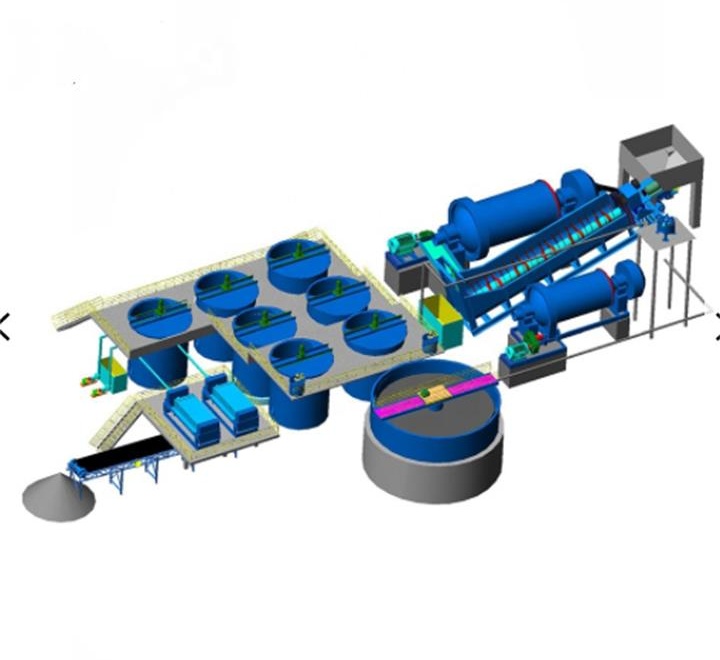
Explore our comprehensive range of gold ore processing plant solutions at Terbaikmachinery. From efficient gold processing equipment to expertly engineered mineral processing solutions, we provide everything you need to optimize your gold mining operations.
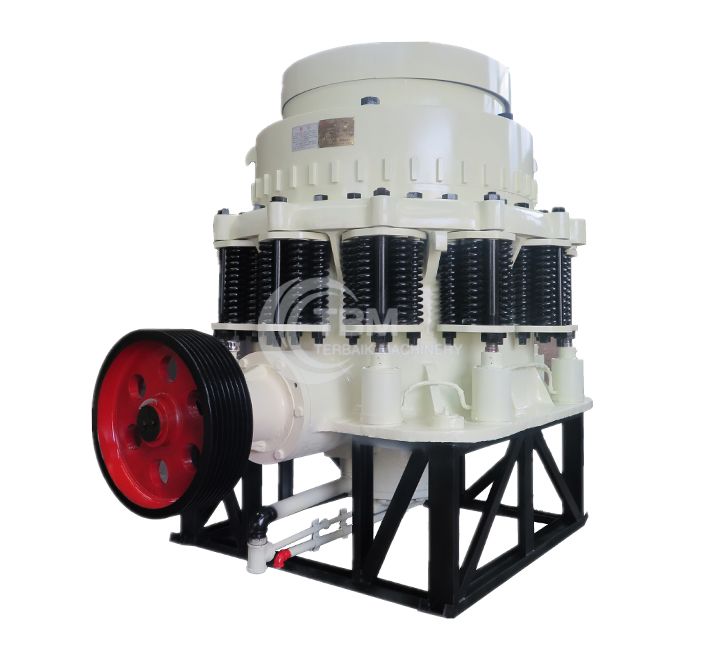
Terbaikmachinery offers Symons Cone Crushers for reliable crushing solutions in mining industries. Our Symons Cone Crushers ensure efficient material crushing, enhancing productivity and product quality.
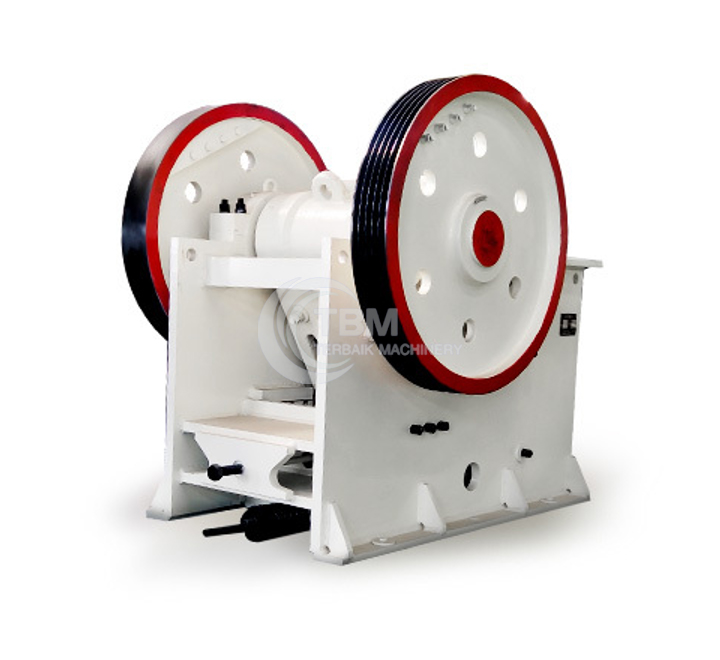
Terbaikmachinery offers Jaw Crushers for reliable crushing solutions in various industries. Jaw Crushers ensure efficient material crushing, enhancing productivity and product quality. Trust Terbaikmachinery for expertly crafted crushing solutions.
1、 Physical beneficiation method (gravity beneficiation method)
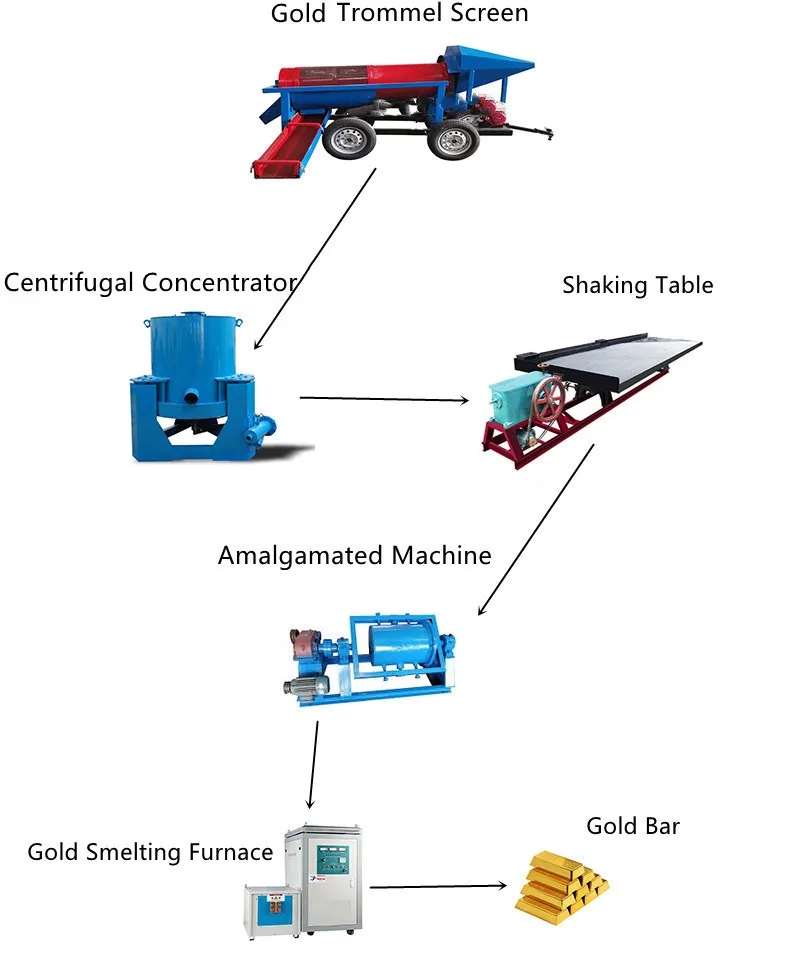
Principle: By utilizing the density difference between gold and other minerals (gold has a density of about 19.3g/cm ³, much higher than gangue minerals), separation is achieved through gravity sorting equipment.
Applicable scenarios: Processing coarse-grained gold (particle size greater than 0.01mm) or gold ores with high monomer dissociation degree, especially suitable for sand gold ores (gold exists in a free state in sand and gravel).
Common equipment:
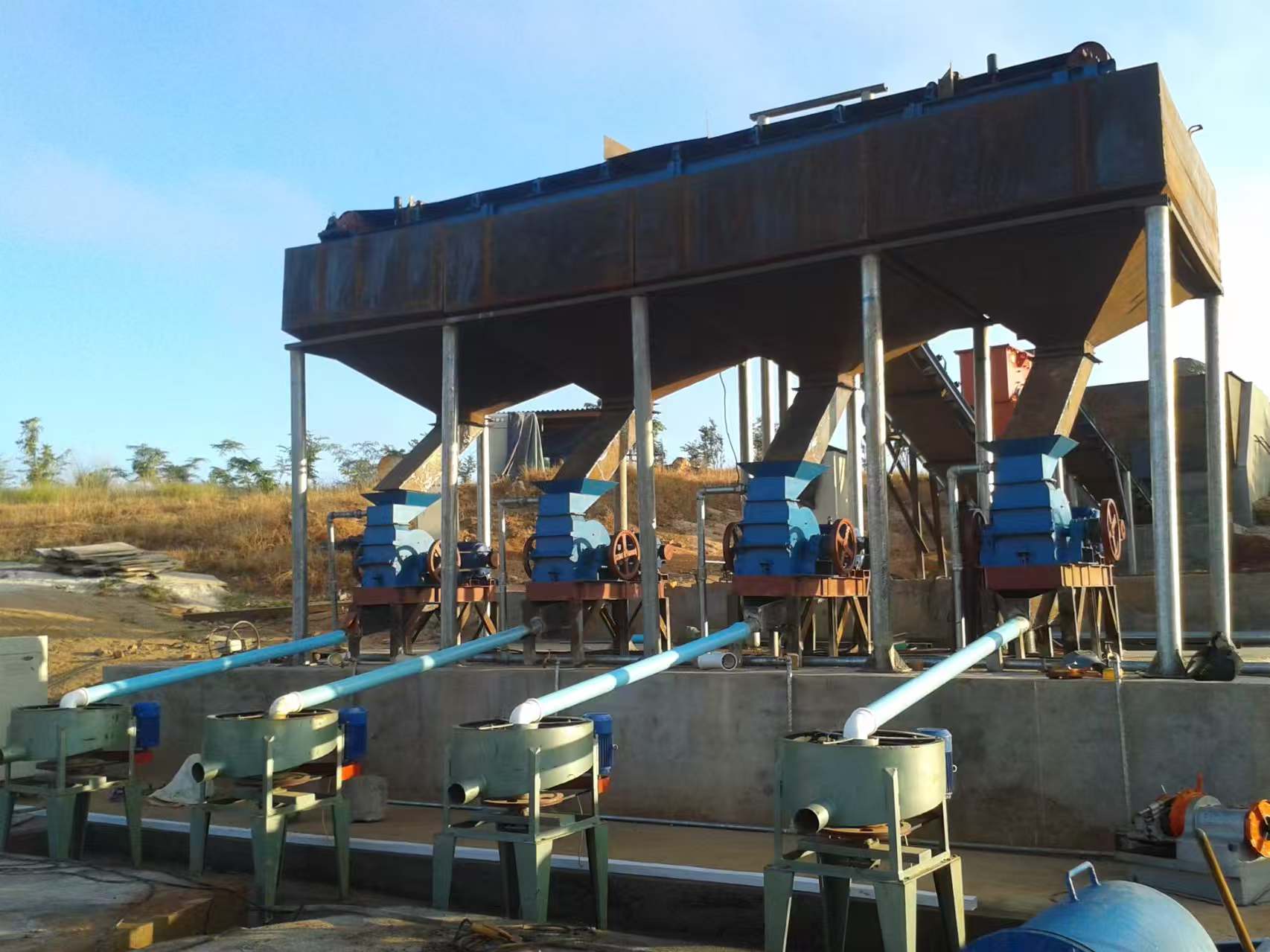
Jig machine: uses vertical alternating water flow for sorting, suitable for coarse and medium gold particles.
Shaking bed: By using inclined water flow and bed surface vibration, the enrichment of fine-grained gold is achieved with high sorting accuracy.
Chute: Relying on gravity and water flow impact, used for coarse selection of sand and gold mines, such as fixed chutes, agitation chutes, etc.
Centrifugal beneficiation machine: using centrifugal force to enhance gravity separation, suitable for the recovery of fine gold particles (0.01-0.0001mm).
2、 Flotation method
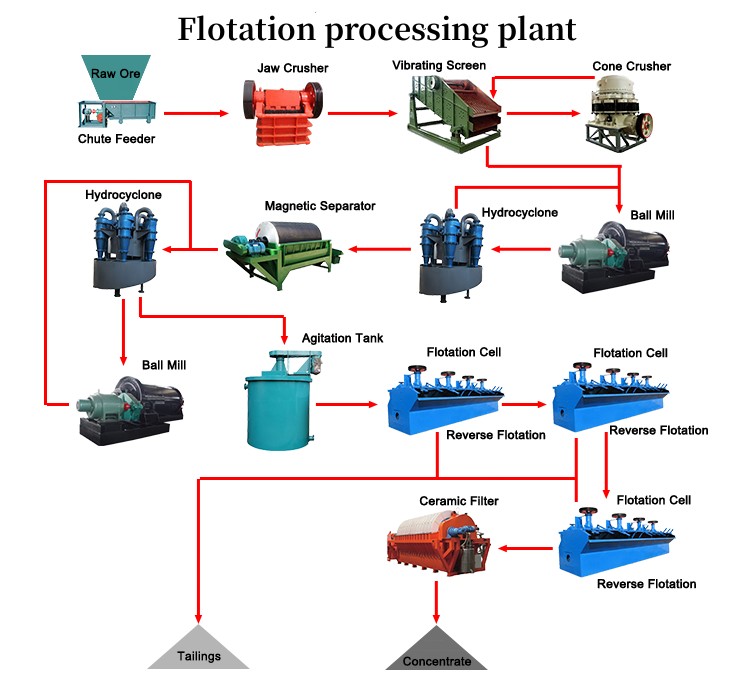
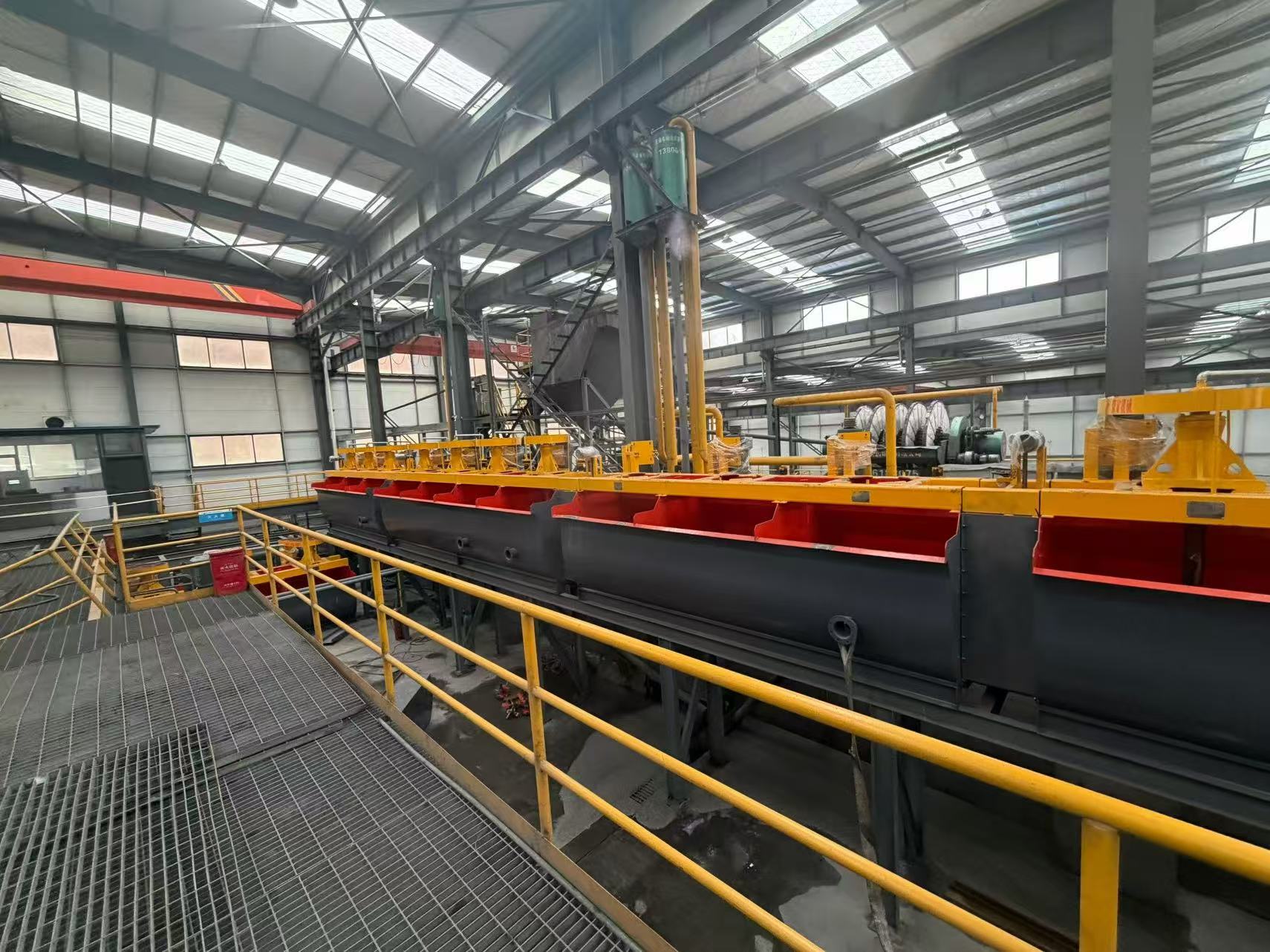
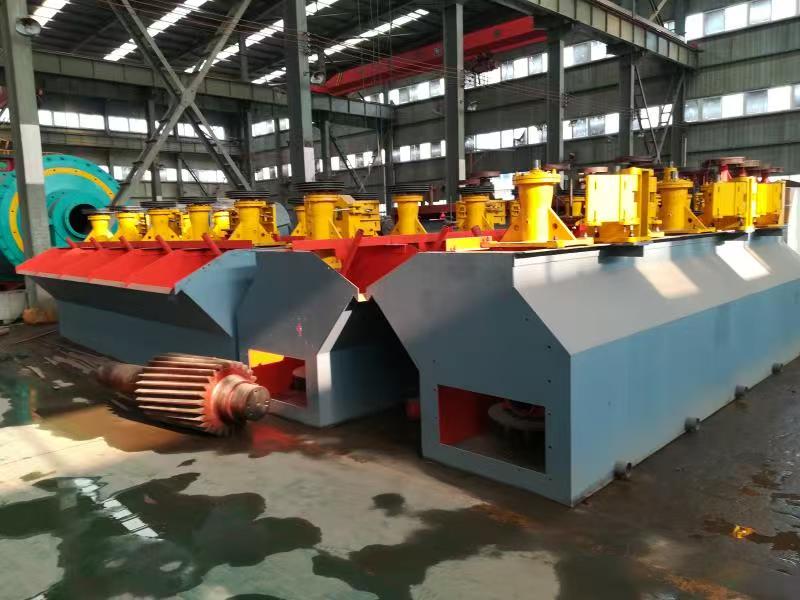
Principle: Based on the difference of physical and chemical properties between gold and other minerals, gold particles are attached to bubbles by adding flotation agents (collectors, foaming agents, regulators, etc.), which float with the foam to achieve separation from gangue.
Applicable scenarios: Processing fine-grained disseminated gold ores (gold particle size less than 0.074mm), or ores where gold is closely associated with sulfide minerals (such as pyrite and chalcopyrite), especially suitable for situations where gold particles are not completely dissociated individually.
Key pharmaceuticals:
Collectors: commonly used yellow medicine (such as butyl yellow medicine) and black medicine to enhance the hydrophobicity of gold particles.
Foaming agent: such as terpineol oil, which can produce stable foam and carry gold particles.
Adjusters: such as lime (to adjust pH), cyanide (to activate gold particles).
3、 Chemical beneficiation method
A. Cyanide method (most commonly used)
Principle: Under aerobic conditions, gold reacts with cyanides (such as NaCN, KCN) to form soluble gold cyanide complexes ([Au (CN) ₂] ⁻), which are then recovered by displacement or electrolysis.
Reaction formula: 4Au+8NaCN+O ₂+2H ₂ O → 4Na [Au (CN) ₂]+4NaOH
Applicable scenarios: Processing fine-grained gold, encapsulated gold, or gold ores that are difficult to physically separate, especially suitable for ores with high monomer dissociation degree of alloys (but it should be noted that the ore does not contain a large amount of cyanide consuming minerals such as sulfides, carbonates, etc.).
Subsequent recycling steps:
Zinc powder replacement: Replace the gold in [Au (CN) ₂] ⁻ with metallic gold using zinc powder (2 [Au (CN) ₂] ⁻+Zn → Zn (CN) ₄² ⁻+2Au ↓).
Activated carbon adsorption: Adsorption of gold in a gold containing solution by activated carbon, followed by desorption and recovery.
Advantages and disadvantages: High efficiency and strong adaptability, but cyanide is highly toxic and requires strict control of environmental risks (such as using cyanide free agents instead, such as thiourea, thiosulfate, etc.).
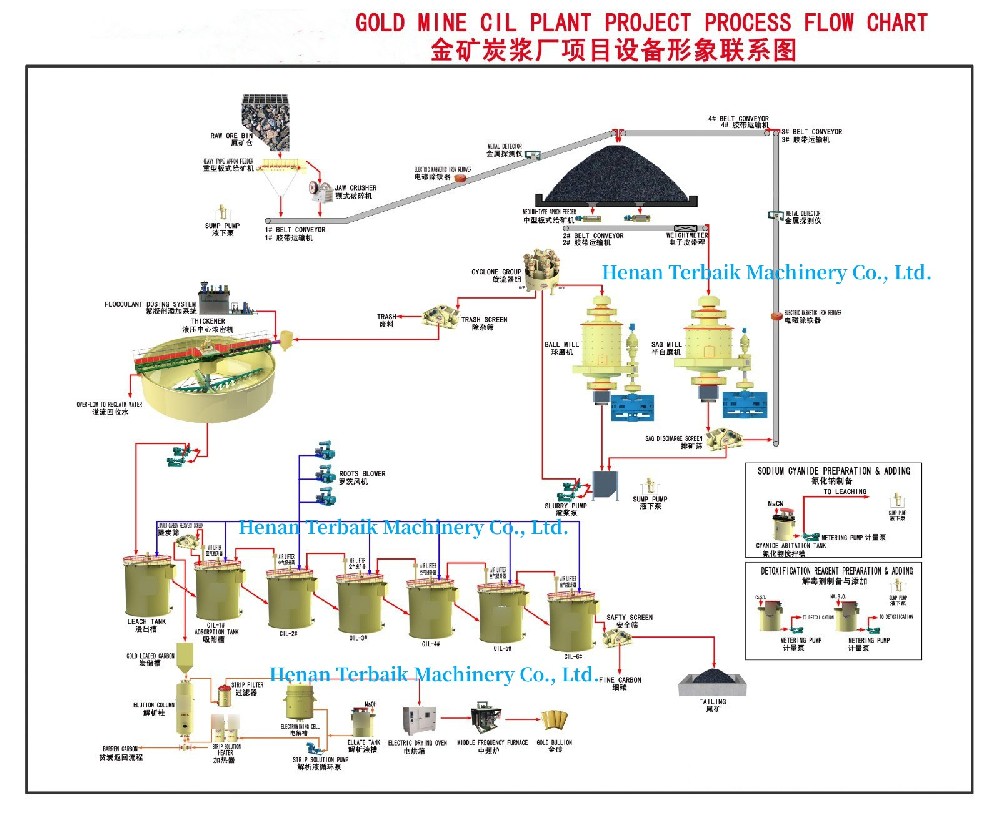
2. Other chemical methods
Thiourea method: Under acidic conditions, thiourea (CS (NH ₂) ₂) reacts with gold to form soluble complexes. The toxicity is lower than cyanide, but the cost is higher, making it suitable for processing ores containing interfering elements such as arsenic and antimony.
Heap leaching method: Low grade gold ore is stacked on an impermeable site, sprayed with cyanide or thiourea solution, and dissolved in gold through filtration. It is suitable for processing ores with extremely low grades (such as<1g/t), with low cost but long cycle.
4、 Joint beneficiation method
In actual production, a single method is often difficult to efficiently recover gold, and multiple processes need to be combined. Common combinations include:

Re selection flotation combination
Firstly, use reselection to recover coarse gold particles, and then use flotation to treat fine gold particles or associated bodies to improve the overall recovery rate.
Flotation cyanide combination
After obtaining gold concentrate through flotation, cyanide leaching is performed on the concentrate, which is suitable for low-grade, fine-grained impregnated ores.
Re selection cyanide combination
Re select and recover coarse free gold particles, and cyanide recover fine gold particles from tailings to reduce cyanide consumption.
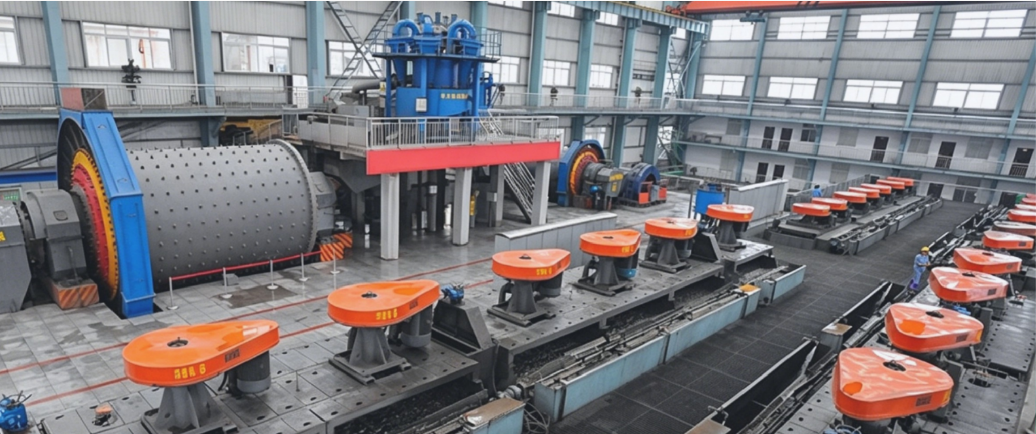
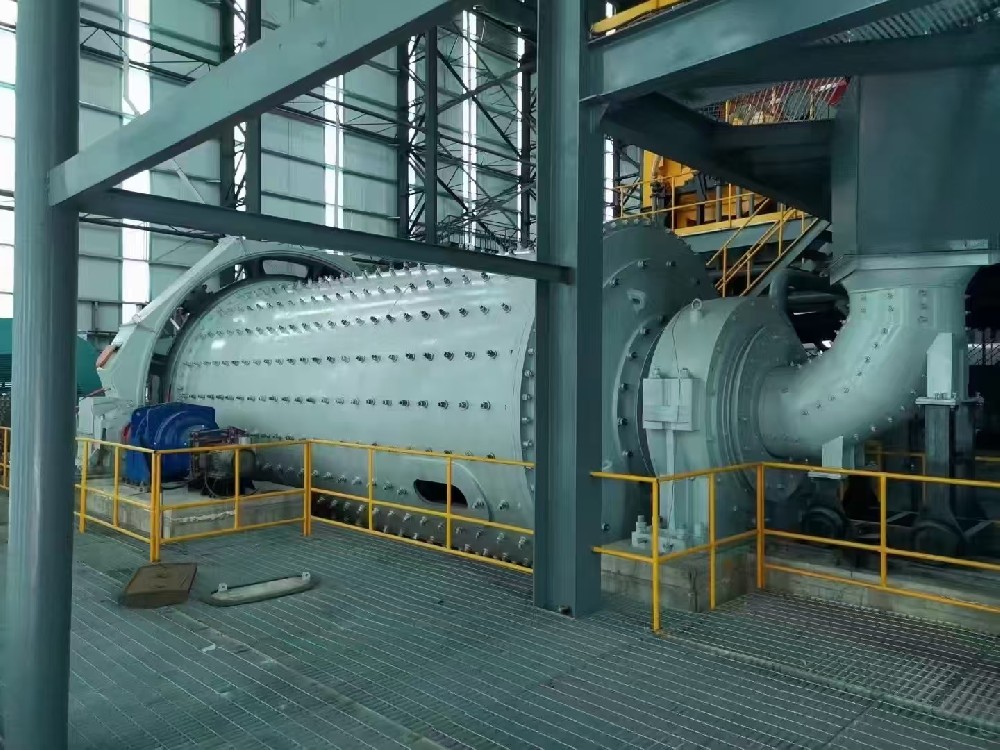
1、 Physical beneficiation method (gravity beneficiation method)Princip···
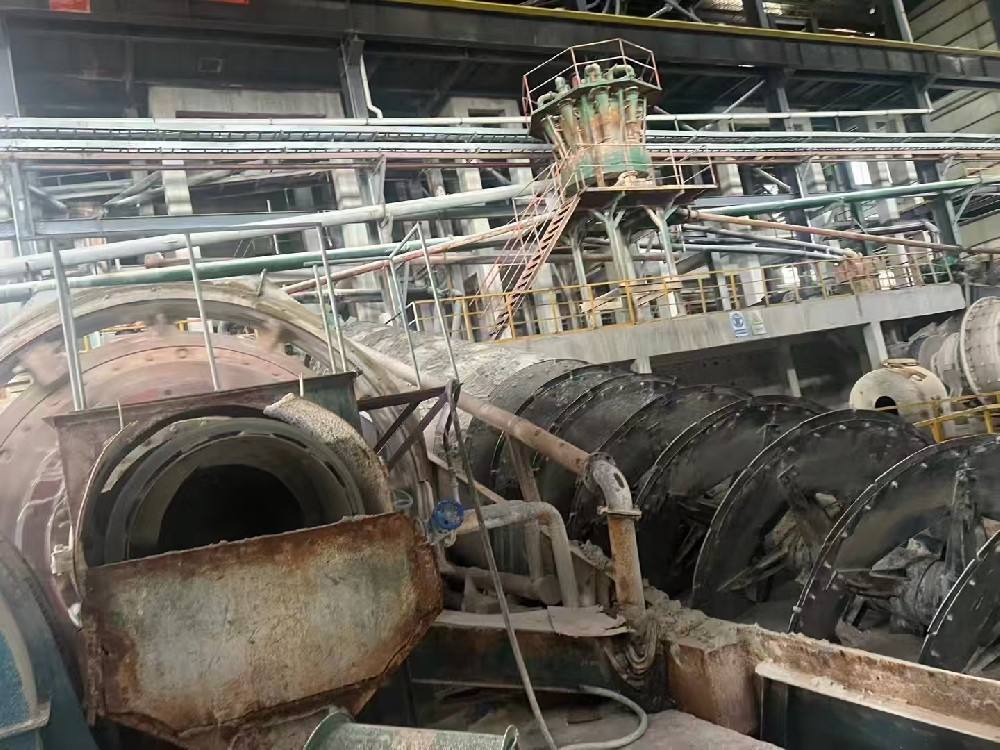
What is copper cobalt ore ?Copper cobalt ore is an important strategic···
Characteristics of lead-zinc minesDue to the close coexistence and low···
 +86-19139706301
 +86-19139706301