|
Feeding Size
|
200-1200 mm |
|
The Discharging Size
|
200 mesh |
|
Processing Capacity
|
50-1200 tpd |
|
Applied Material
|
Lead and Znic |
|
Details Overview
|
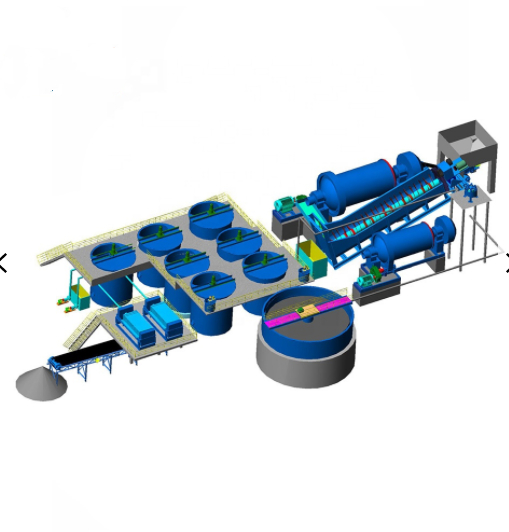
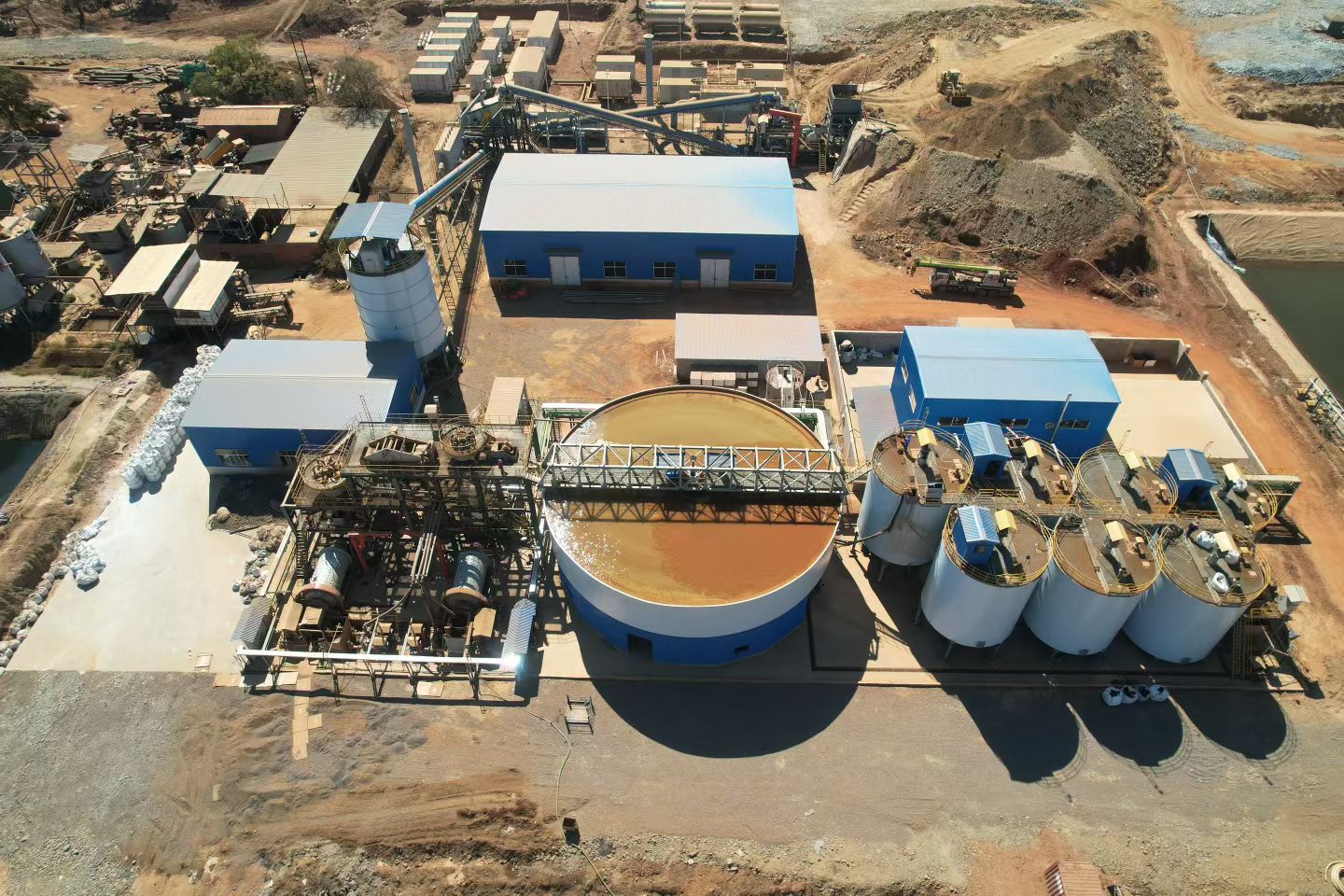
The lead-zinc ore beneficiation process, from crushing and screening to flotation separation, is precisely controlled at every step: first suppressing zinc and floating lead, then activating and extra |
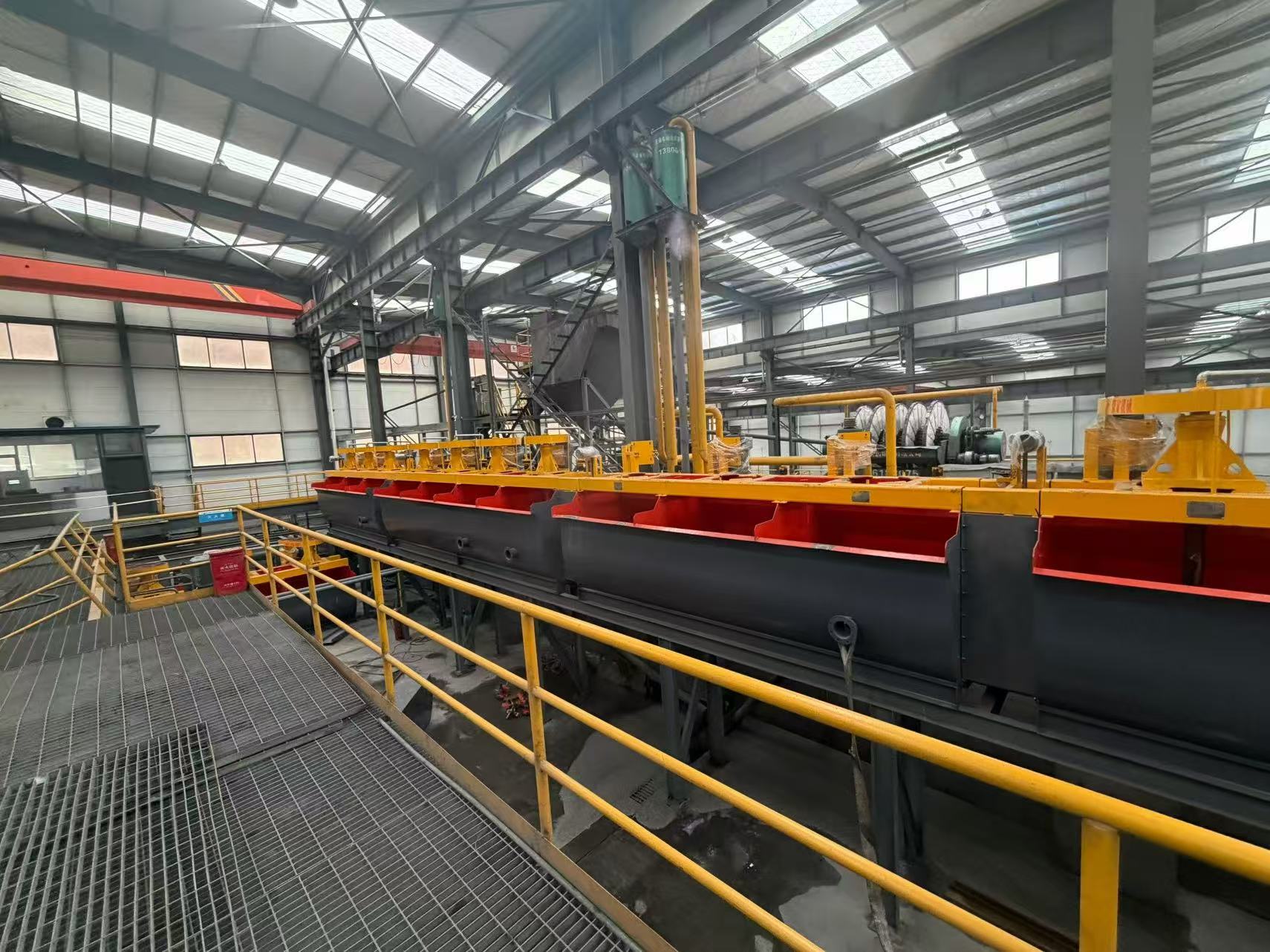
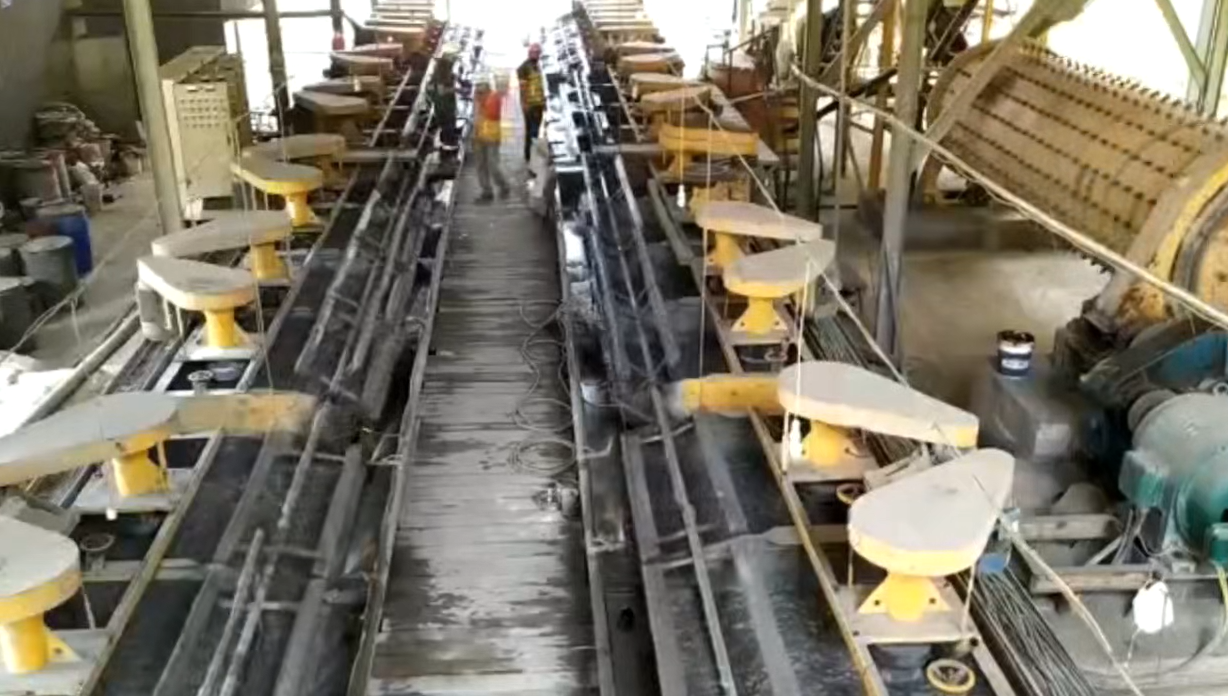
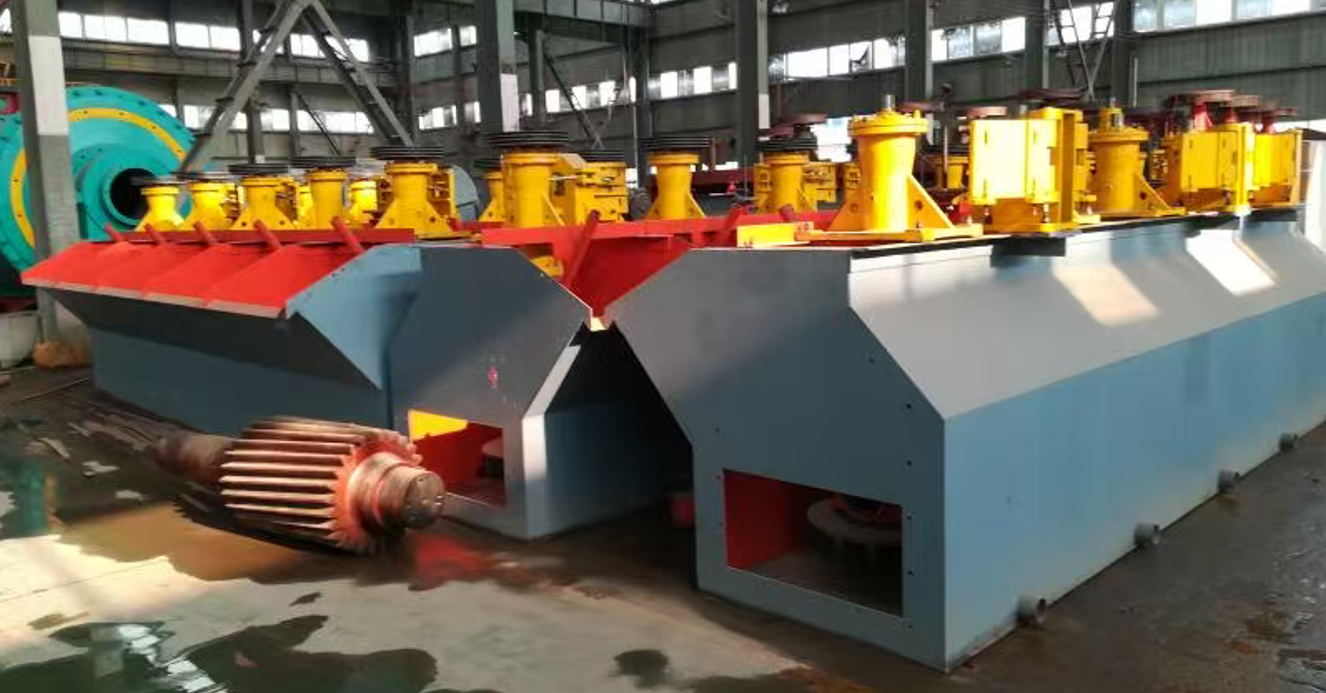
Applications:Flotation machine is widely applied in the separation of ferrous minerals such as iron, non-ferrous metals including copper and gold, as well as no...
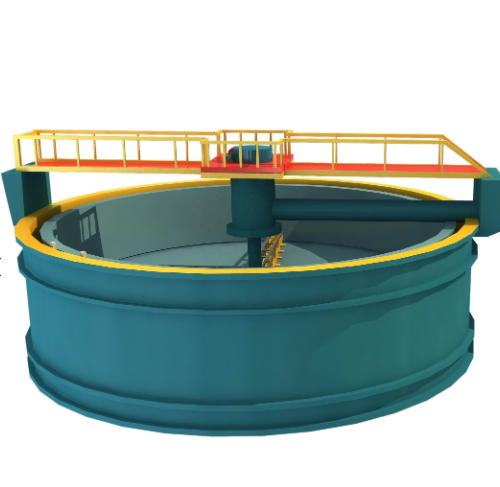
NZ (S) type (also called TNZ type) centre drive concentrator is earlier traditional concentrated equipments, machines diameter less than 12m work in manual cond...
Characteristics of lead-zinc mines
Due to the close coexistence and low grade of lead and zinc minerals in its ore, it must undergo beneficiation and enrichment before it can be smelted and utilized. The process flow of lead-zinc ore beneficiation plant is a complex and precise system engineering, whose core lies in utilizing the differences in physical and chemical properties of lead and zinc minerals, effectively separating them through a series of operations, and obtaining high-grade lead concentrate and zinc concentrate. The typical process flow of a lead-zinc ore beneficiation plant mainly includes stages such as crushing and screening, grinding and grading, flotation separation, concentrate dewatering, and tailings treatment.
1、 Crushing and screening: pre-treatment of raw ore
After the raw ore is transported from the mine to the beneficiation plant, it first enters the crushing workshop. The purpose is to gradually reduce large pieces of raw ore to a particle size suitable for grinding (usually 10-15 millimeters) through multi-stage crushing.
Coarse crushing: Jaw crushers or gyratory crushers are used to crush raw ore with a maximum particle size of several hundred millimeters to below 200-300 millimeters. This section has a high crushing capacity and is the key to reducing the workload of subsequent operations.
Intermediate and fine crushing: Coarse crushed products are transported to the intermediate crushing workshop by a belt conveyor, usually using a cone crusher for further crushing. Cone crushers are also commonly used in fine crushing to crush the ore to the final required particle size. During the entire crushing process, each section is usually equipped with a vibrating screen for screening, forming a closed-loop cycle. The sieved material (unqualified large blocks) is returned to the crusher in this section for further crushing, while the sieved material (qualified particles) enters the next process. This can effectively control product particle size, improve crushing efficiency, and avoid excessive crushing.
The crushing and screening stage is the "throat" of the beneficiation plant, and its efficiency and effectiveness directly affect the stability of subsequent grinding operations and the processing capacity of the entire beneficiation plant.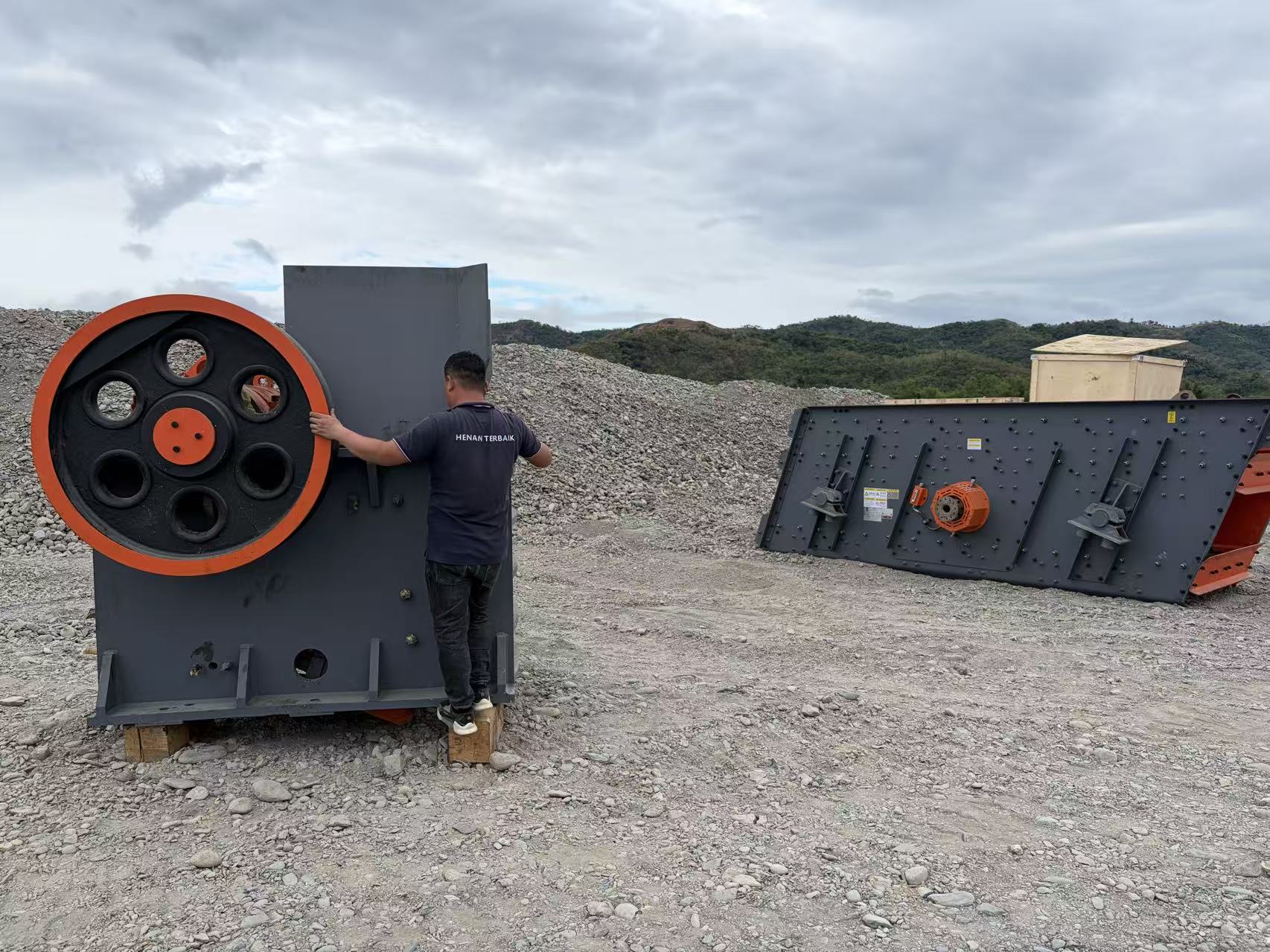
2、 Grinding and grading: preparation of dissociated minerals
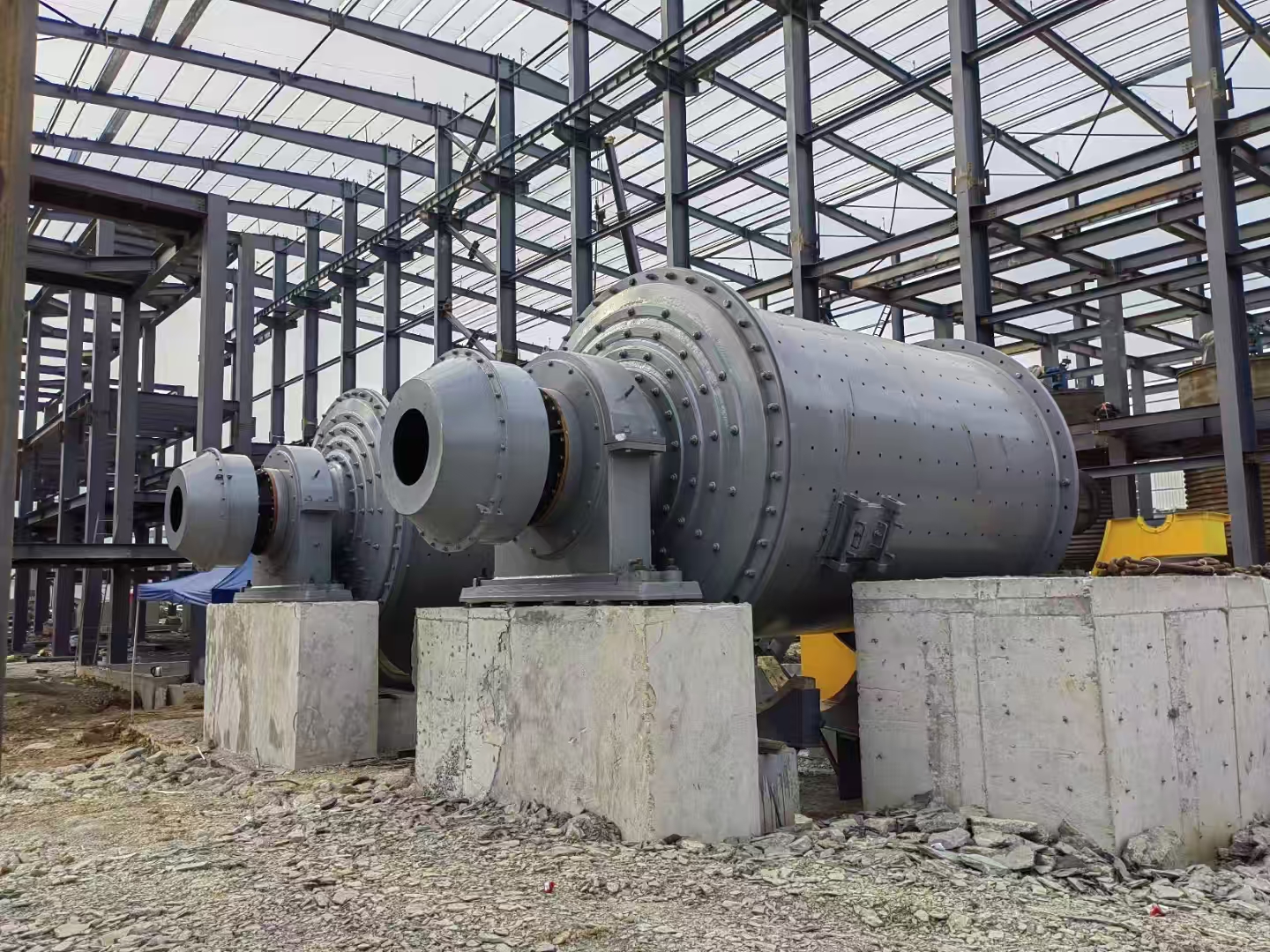
The crushed ore is sent to the grinding workshop, mixed with a certain proportion of water, and fed into a ball mill or rod mill for wet grinding. The purpose of grinding is to further grind the ore particles, so that lead minerals (such as galena PbS), zinc minerals (such as sphalerite ZnS), and vein minerals (such as quartz, calcite, etc.) can be fully dissociated as monomers. This is a prerequisite for achieving effective sorting.
Classification equipment, such as hydrocyclones or spiral classifiers, typically form a closed-loop operation with grinding machines. Its working principle is to use the difference in settling velocity of particles in the water flow to divide the grinding product into two parts:
Overflow: The fine particle portion, i.e. the qualified slurry, enters the flotation operation.
Bottom flow: The coarse particles are returned to the mill for further grinding.
By adjusting the grinding concentration, steel ball ratio, and classifier parameters, the fineness of the final grinding product can be precisely controlled. It is usually required that the content of -200 mesh (about 74 microns) reach 70% -85% or even higher to ensure the sufficient dissociation of the target mineral.
3、 Flotation separation: the core and soul of the process flow
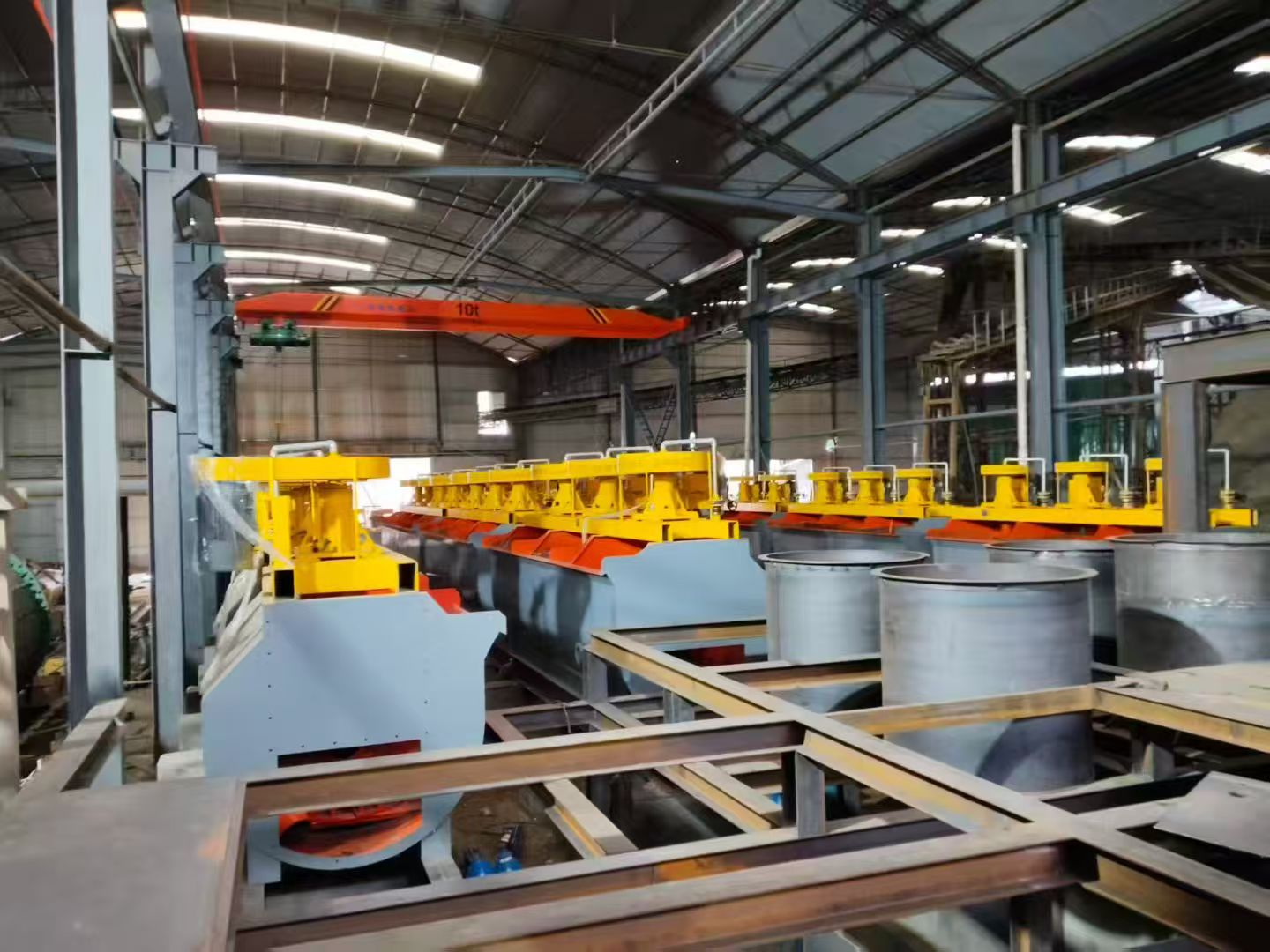
Flotation is the most core and critical step in the separation of lead-zinc minerals. Its basic principle is to utilize the differences in physical and chemical properties of mineral surfaces, and through the action of reagents, selectively make one or a group of minerals hydrophobic (hydrophilic) and float up at the gas liquid solid three-phase interface, while other minerals are hydrophilic (hydrophilic) and remain in the slurry, thereby achieving separation.
The flotation of lead-zinc ore generally adopts the principle of priority flotation, which means that one concentrate is first floated out, and then another concentrate is floated. The typical process is as follows:
Lead flotation circuit:
Zinc and lead suppression: First, add an adjusting agent such as lime (CaO) to the ground slurry to increase the pH value of the slurry to 9-12 and create a strong alkaline environment. In this environment, a hydrophilic calcium hydroxide film will form on the surface of zinc minerals, which is strongly inhibited, while the floatability of lead minerals is less affected.
Capture and foaming: Subsequently, lead capture agents such as xanthate (ethyl xanthate, butyl xanthate, etc.) or black xanthate are added, which can selectively adsorb on the surface of galena to make it hydrophobic. Simultaneously add foaming agents (such as pine oil, MIBC) to generate a large amount of stable and suitable bubbles under inflation and stirring.
Rough separation, cleaning and scavenging: hydrophobic lead minerals attach to bubbles, float up to the liquid surface to form a foam layer, and are scraped out to become lead coarse concentrate. This process is usually a rough selection. Lead coarse concentrate enters the selection operation (usually 2-3 times), and through further grinding or adding a small amount of inhibitor, the intergrowth bodies and gangue inclusions are further removed to improve the grade of lead concentrate. The products (tailings) in the tank after rough selection of lead enter the sweeping operation to recover residual lead minerals and improve the recovery rate. Sweeping the tailings will enter the zinc flotation circuit.
Zinc flotation circuit:
Activation: The tailings after lead flotation mainly contain inhibited sphalerite and gangue. At this point, an activator needs to be added, and the most commonly used one is copper sulfate (CuSO4). Cu ² ⁺ can replace Zn ² ⁺ on the surface of sphalerite, forming a copper film and significantly improving the floatability of sphalerite.
Sulfur inhibiting floating zinc: Lime is added to the activated slurry to maintain an alkaline environment and continue to inhibit residual sulfides such as pyrite. Then add a zinc collector (also a type of yellow medicine, but with possibly stronger collection power, such as butyl yellow medicine).
Flotation process: Similar to lead flotation, after rough selection, multiple selections, and sweeping, high-grade zinc concentrate is finally obtained. The tailings selected by zinc scanning are the final tailings of the beneficiation plant.
In addition to preferential flotation, for ores with particularly complex mineral embedding relationships, mixed flotation (full flotation) or other floatable flotation processes are sometimes used. All sulfide minerals are first floated out, and then lead zinc separation is carried out, but the basic principle of zinc suppression and lead flotation remains unchanged.
4、 Product processing and tailings disposal
Dehydration of concentrate: Lead and zinc concentrates obtained from flotation are slurry containing a large amount of water, which must be dehydrated for transportation and sales.
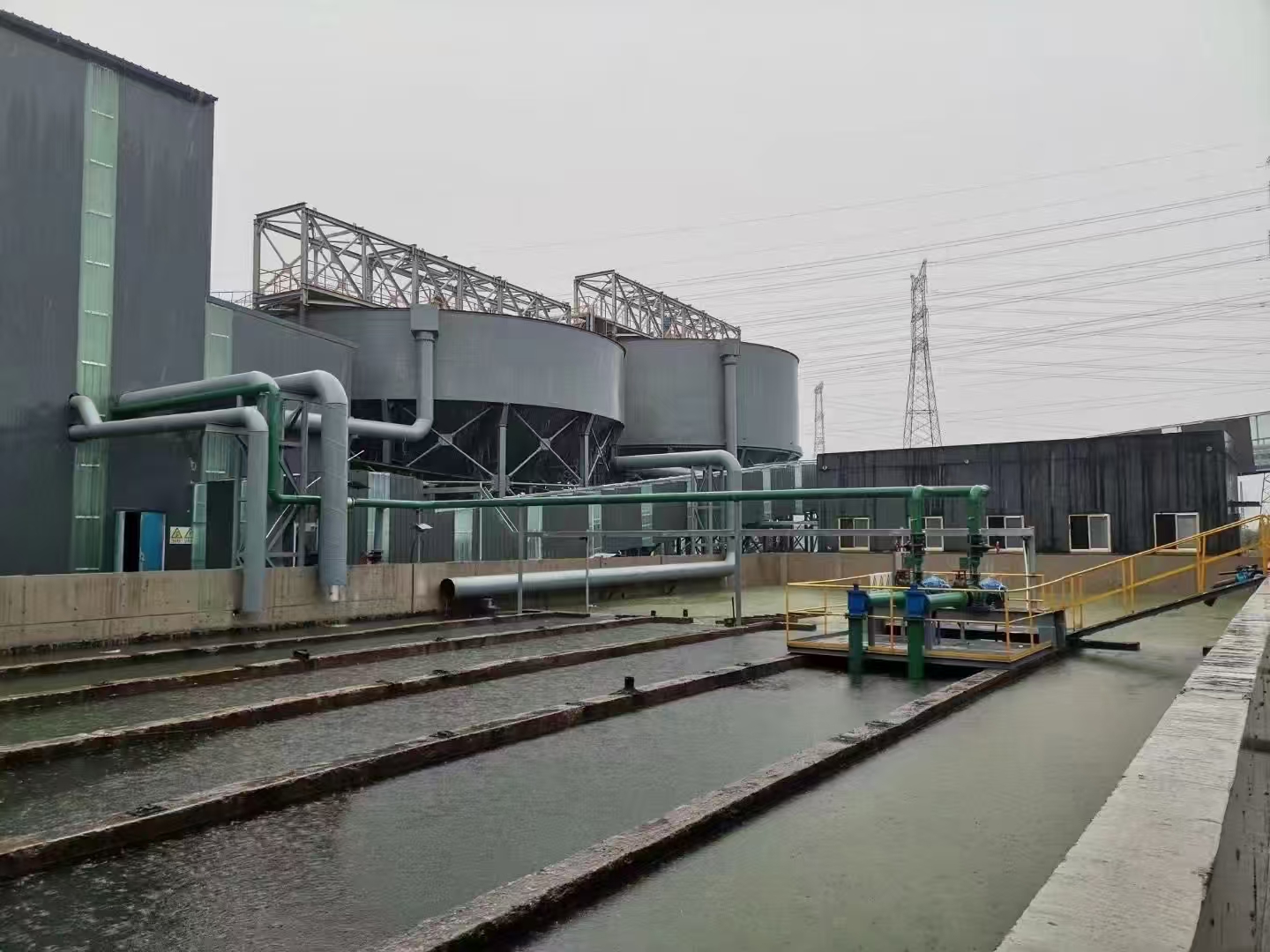
Concentrating: Firstly, a concentrator (also known as a thickener) is used to increase the concentration of the concentrate slurry from 15% -30% to 50% -70% using the principle of gravity settling.
Filtration: The concentrated bottom stream is further dehydrated using a vacuum filter (such as a disc filter or ceramic filter) or a filter press to obtain a filter cake with a moisture content typically below 12%.
Drying: In humid climates or when there are special requirements for moisture, the filter cake will also enter a dryer for drying, ultimately producing qualified concentrate products that can be used in smelters.
Tailings treatment: The tailings after zinc flotation are the largest solid waste produced by the beneficiation plant.
Transportation and storage: Tailings slurry is transported through pipelines to specialized tailings ponds for safe storage. A tailings pond is a hydraulic structure that has undergone rigorous engineering design, equipped with a dam body, anti-seepage system, and drainage facilities to prevent environmental pollution and geological disasters.
Water resource reuse: The supernatant and leachate from the tailings pond will be collected and returned to the beneficiation plant for recycling, which not only saves new water consumption but also avoids environmental pollution caused by wastewater discharge. The water recycling efficiency of modern beneficiation plants can usually reach over 80%.
5、 Development and Prospect of Process Flow in Lead Zinc Mineral Processing Plant
With the intensification of the trend of "lean, fine, and miscellaneous" ores and the increasingly strict environmental requirements, the process flow of lead-zinc ore beneficiation plants is also constantly improving:
Efficient and energy-saving equipment: The application of new equipment such as high-pressure roller mills, large flotation columns, and high-efficiency thickeners has improved efficiency and reduced energy consumption.
Green flotation reagents: Develop and apply low toxicity, easily degradable and efficient selective collectors and inhibitors to reduce their impact on the environment.
Process automation: Using online grade analyzers, expert control systems, etc., to achieve real-time monitoring and optimization of the production process, stabilize product quality, and improve technical indicators.
Comprehensive utilization of resources: Comprehensive recovery of valuable elements such as silver, sulfur, cadmium, germanium, etc. from tailings to achieve the "dry extraction" of resources
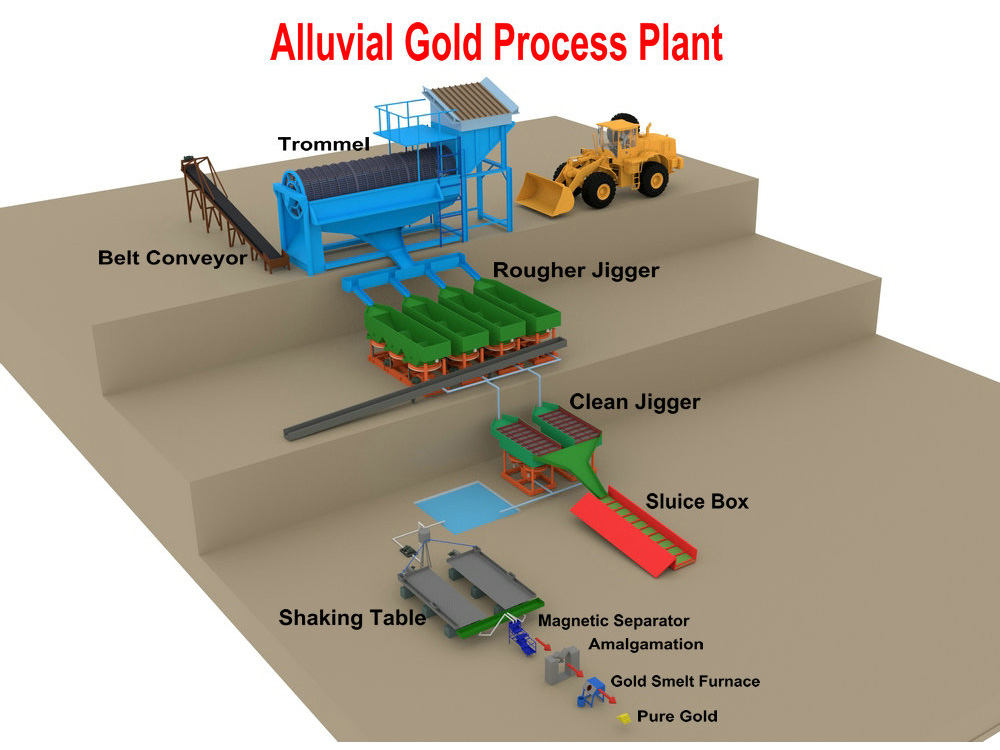
In the gold recycling industry, activated carbon adsorption is a crucial step in
Whether gold mines use reselection, flotation, or cyanide is essentially determi
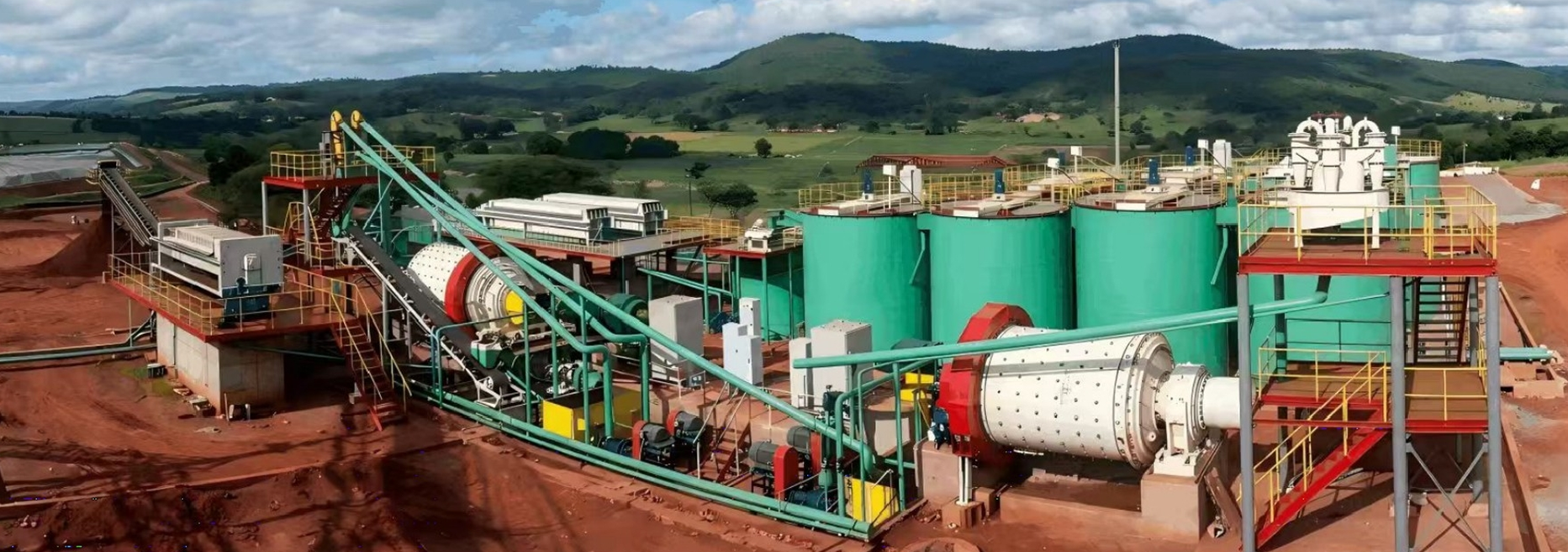
The leachability of rock gold (vein gold) ores varies greatly. Similarly, for cy
 +86-19139706301
 +86-19139706301