|
Feeding Size
|
300-1200 mm |
|
The Discharging Size
|
Gold bar |
|
Processing Capacity
|
100-1500 tpd |
|
Applied Material
|
alluvial gold |
|
Details Overview
|
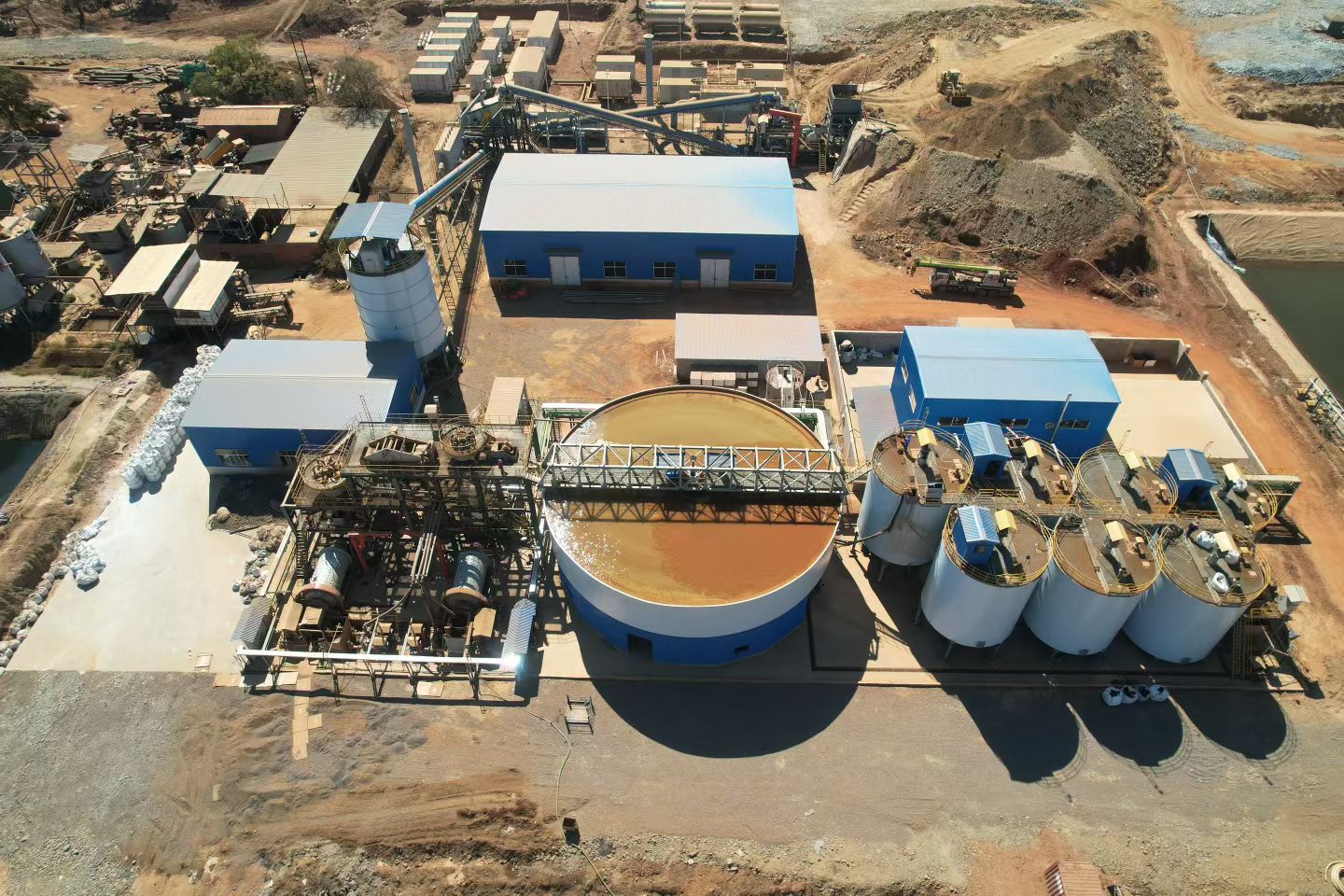
gold processing plant |
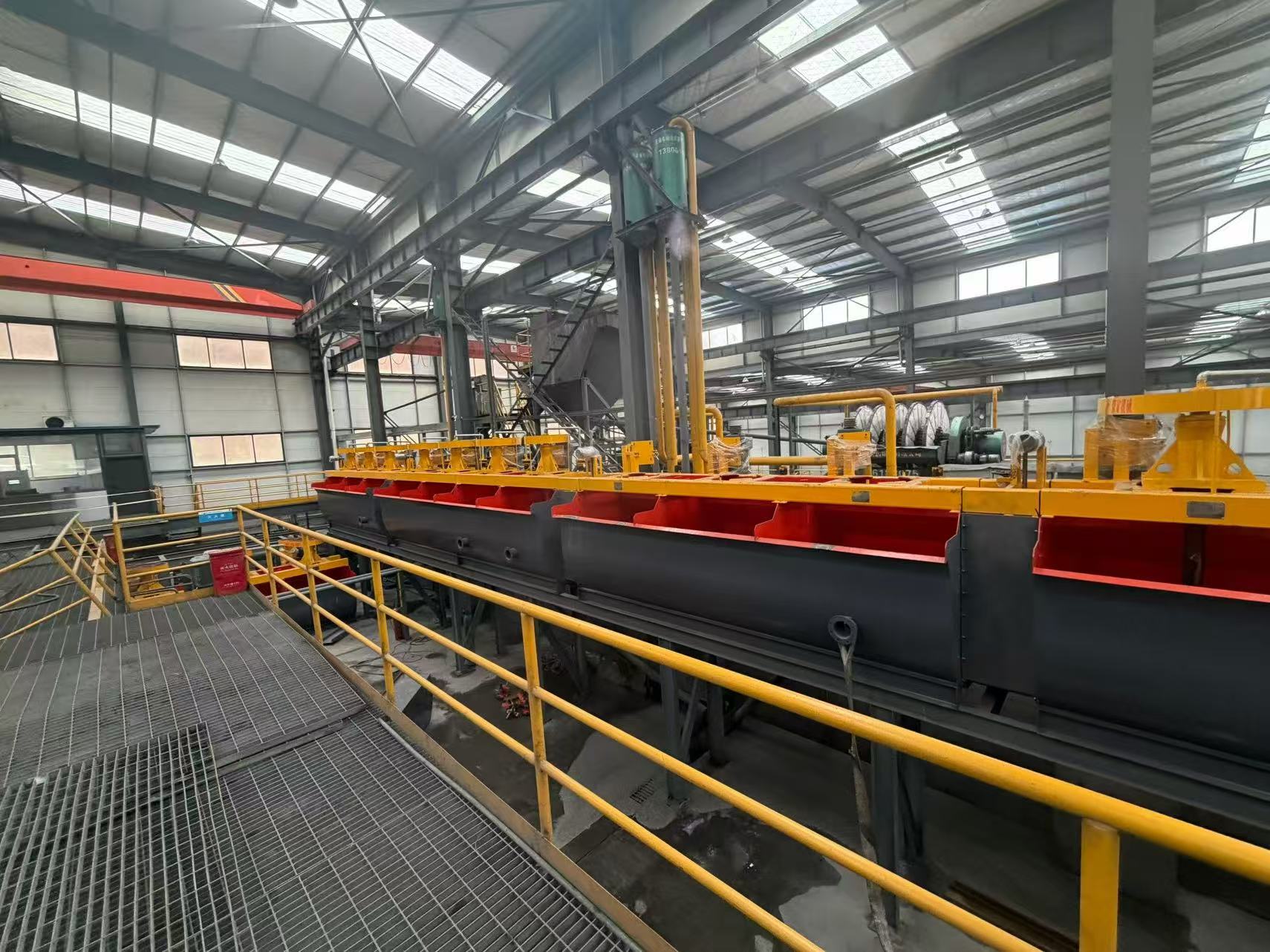
Applications:Flotation machine is widely applied in the separation of ferrous minerals such as iron, non-ferrous metals including copper and gold, as well as no...
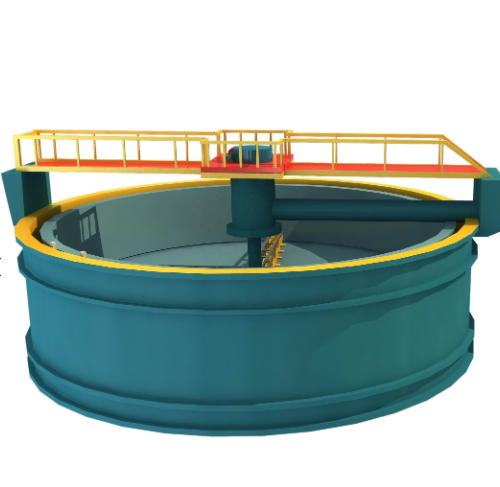
NZ (S) type (also called TNZ type) centre drive concentrator is earlier traditional concentrated equipments, machines diameter less than 12m work in manual cond...
In the gold recycling industry, activated carbon adsorption is a crucial step in extracting gold from the solution. Especially coconut shell activated carbon, with its developed microporous structure, has become the mainstream material for gold loading. But many customers encounter the same problem after the charcoal "absorbs" the gold: the gold cannot be seen or touched, how can it be easily and conveniently retrieved?
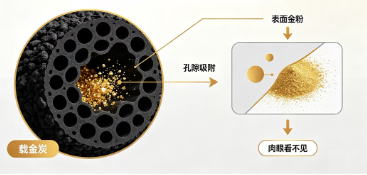
First, clarify a key understanding: the gold adsorbed on activated carbon is not a layer of gold powder attached to the surface of carbon particles, but is firmly locked inside countless tiny pores of carbon in the form of gold cyanide complexes - invisible to the naked eye. Therefore, the essence of "extracting gold" is to break the "confinement" of activated carbon on gold, allowing gold to be released and enriched from pores, and ultimately turning into gold nuggets that can be melted and cast.
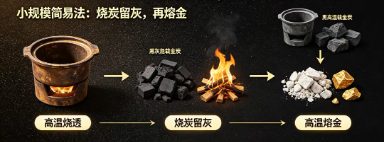
Around this essence, the two most practical and mature routes in the industry can be summarized in eight words: "burning charcoal and leaving ash, analyzing electrolysis". Below, we will disassemble them one by one.
1、 High temperature incineration method:
If you want to use the simplest and lowest equipment threshold method for small-scale and home experiments, high-temperature incineration is the best choice. The operation logic is very straightforward: put the gold loaded carbon into a high-temperature resistant container (such as a crucible or refractory porcelain dish), and fully burn it at high temperature in a well ventilated environment. Activated carbon is essentially carbon, which will burn out and turn into ashes at high temperatures; And the chemical properties of gold are extremely stable, neither burning nor evaporating, ultimately remaining intact in the remaining ash. Collect the ashes and then melt them at high temperature (with the help of fluxes such as borax), and the gold will separate and aggregate into blocks from the ashes, resulting in gold ingots with considerable purity. The advantages are obvious: no need for complex equipment, no need for chemical agents, extremely low learning and operating costs, especially suitable for small-scale personal recycling.
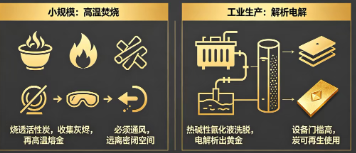
2、 Analytical electrolysis method:
The mainstream solution for industrial scale recycling is to adopt the "analytical electrolysis" process when recycling enters the stage of large-scale and continuous production. The principle is to use a hot alkaline cyanide solution (such as sodium cyanide solution mixed with sodium hydroxide and heated) as the desorption solution to re elute the gold cyanide complex adsorbed in the carbon pores into the solution; Subsequently, the liquid rich in gold is passed through an electrolytic cell to directly electrodeposit gold on the cathode. Even better, the activated carbon after analysis can be regenerated to restore its adsorption capacity and can be recycled, reducing both costs and pollution. This route has a high recovery rate, good gold purity, and is suitable for continuous operation, but it has strict requirements in terms of equipment, chemicals, processes, and environmental compliance. It involves the operation of highly toxic chemicals and is not suitable for individuals to try under simple conditions.
Small scale easy gold extraction, burning charcoal to leave ash and then melting gold; For large-scale production, we can analyze electrolysis, and carbon can also be recycled and regenerated. Understanding the essence of gold 'hidden in pores', choosing the right route, and extracting gold is not as mysterious as imagined.
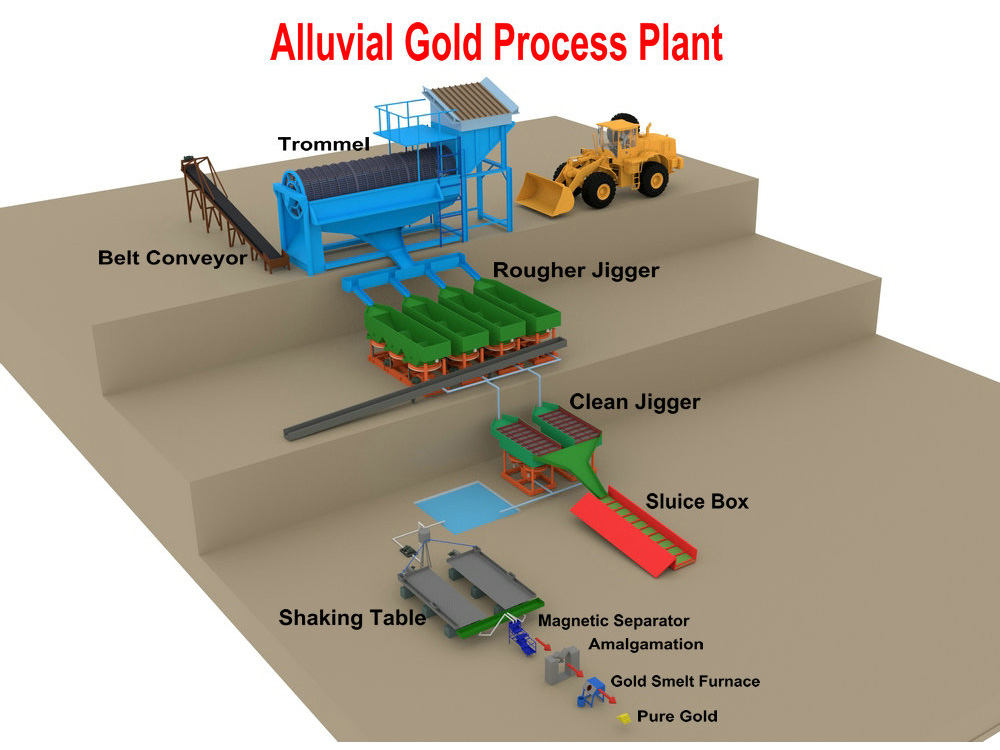
In the gold recycling industry, activated carbon adsorption is a crucial step in
Whether gold mines use reselection, flotation, or cyanide is essentially determi
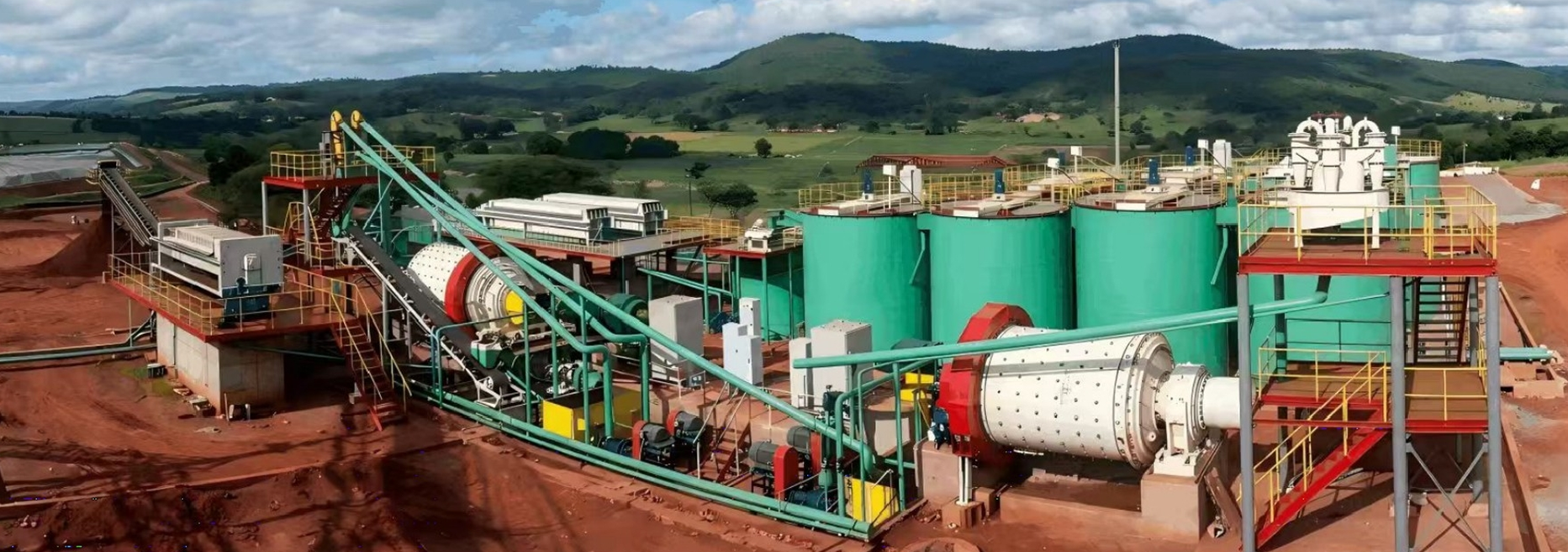
The leachability of rock gold (vein gold) ores varies greatly. Similarly, for cy
 +86-19139706301
 +86-19139706301