|
Feeding Size
|
300-1200 mm |
|
The Discharging Size
|
Gold bar |
|
Processing Capacity
|
100-1500 tpd |
|
Applied Material
|
rock gold ore |
|
Details Overview
|
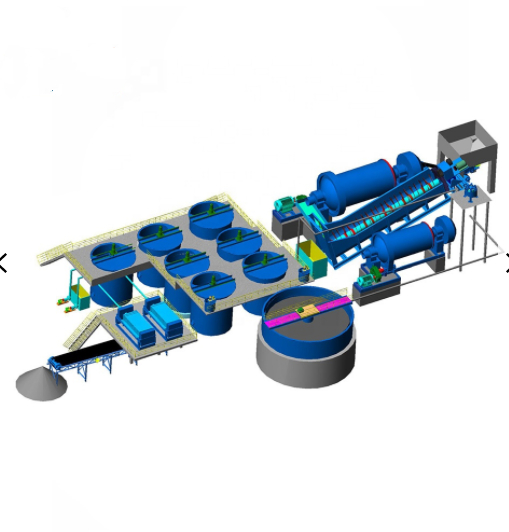
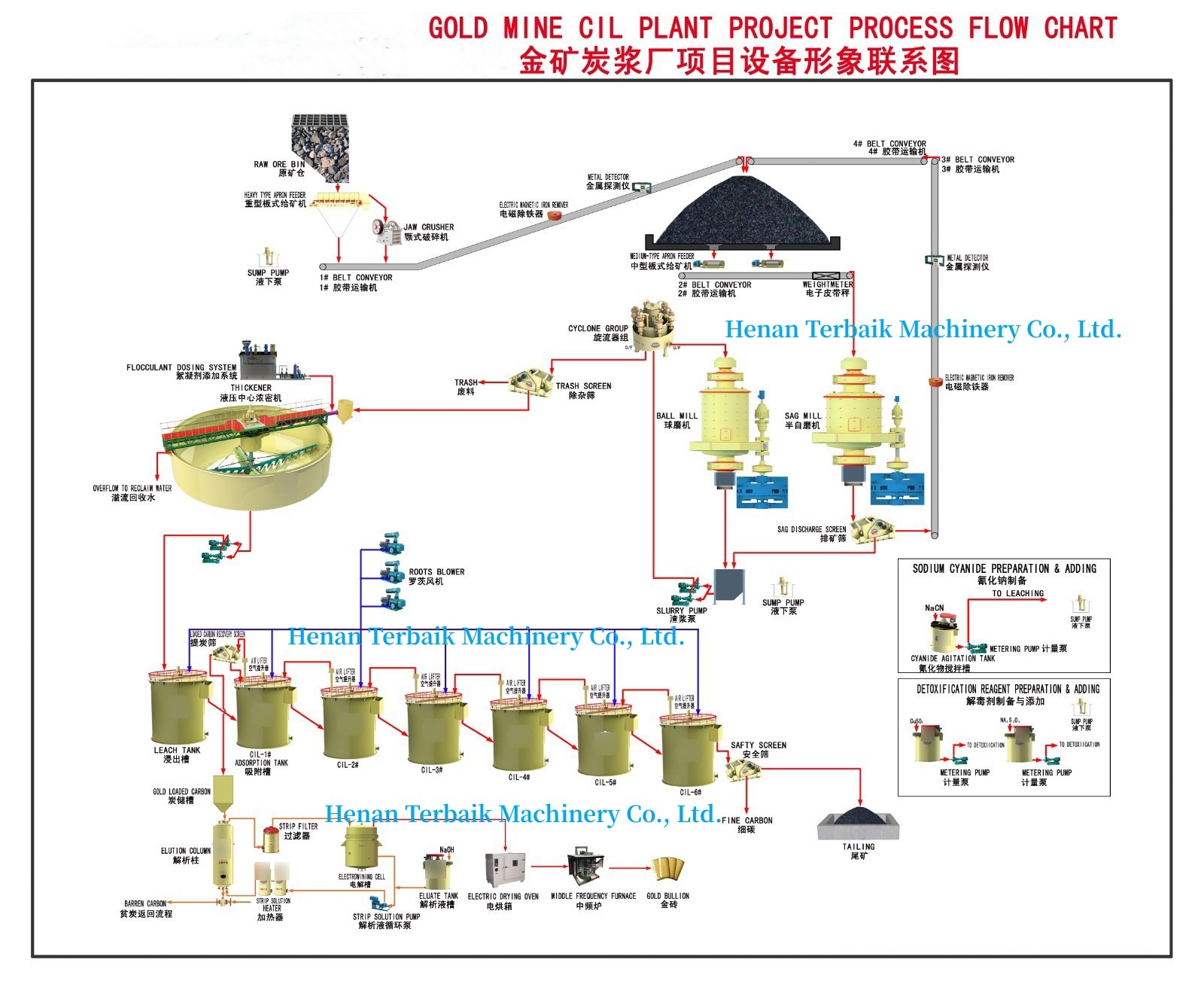
Gold CIL CIP Processing plant |
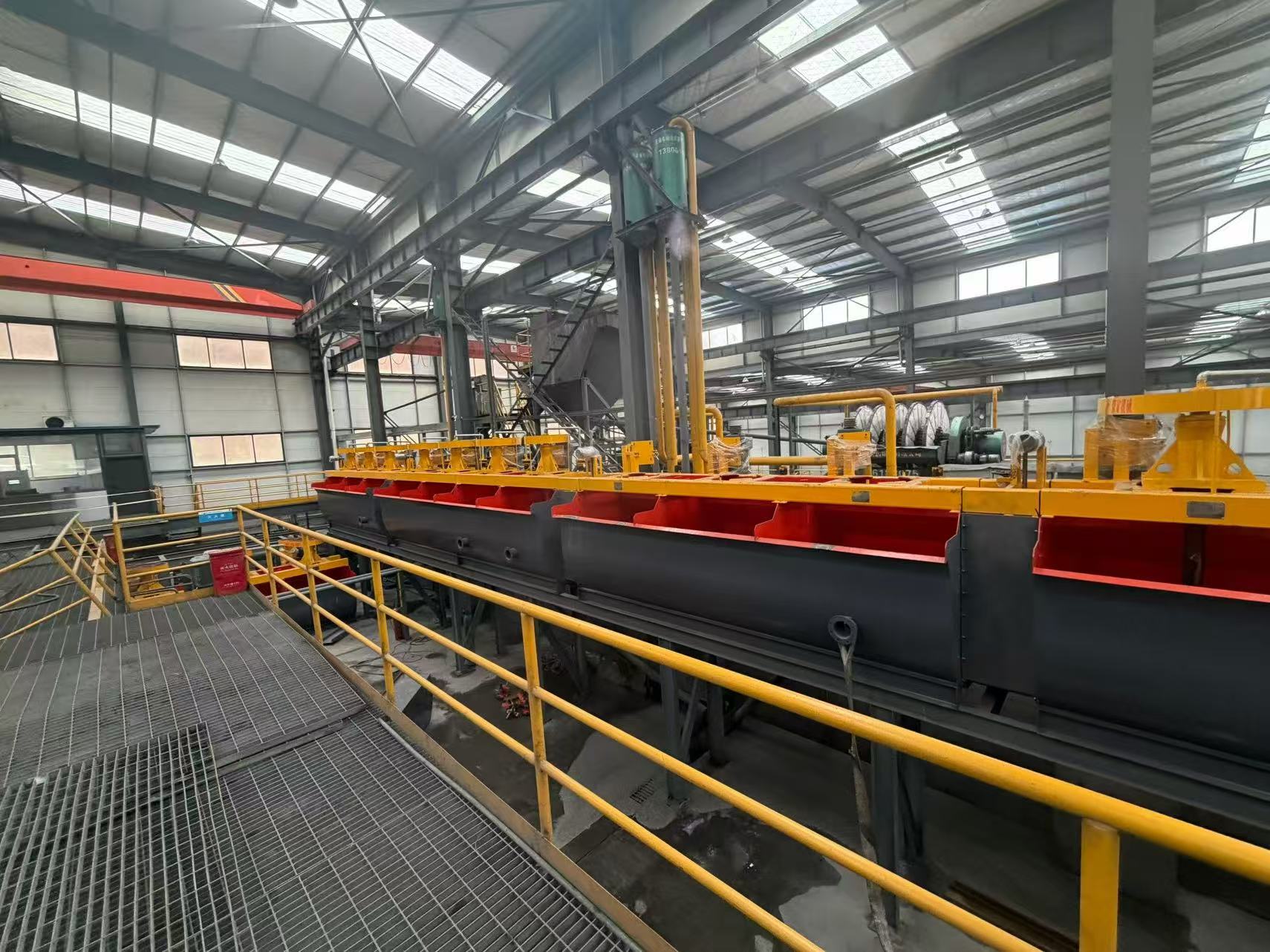
Applications:Flotation machine is widely applied in the separation of ferrous minerals such as iron, non-ferrous metals including copper and gold, as well as no...
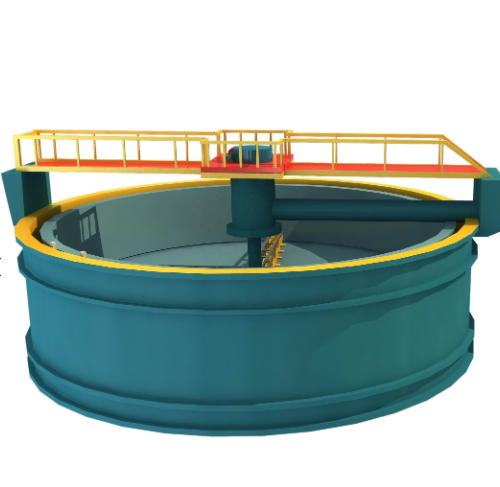
NZ (S) type (also called TNZ type) centre drive concentrator is earlier traditional concentrated equipments, machines diameter less than 12m work in manual cond...
The leachability of rock gold (vein gold) ores varies greatly. Similarly, for cyanide gold extraction, ores with different properties often have vastly different grinding fineness, leaching time, and process selection. In the all mud cyanide carbon slurry method, CIL (carbon leaching method) and CIP (carbon slurry method) are two mainstream processes - with similar equipment but different process organization, and different investment and recovery performance. Starting from the properties of ores, this article provides a multidimensional analysis of two processes for reference in process selection.
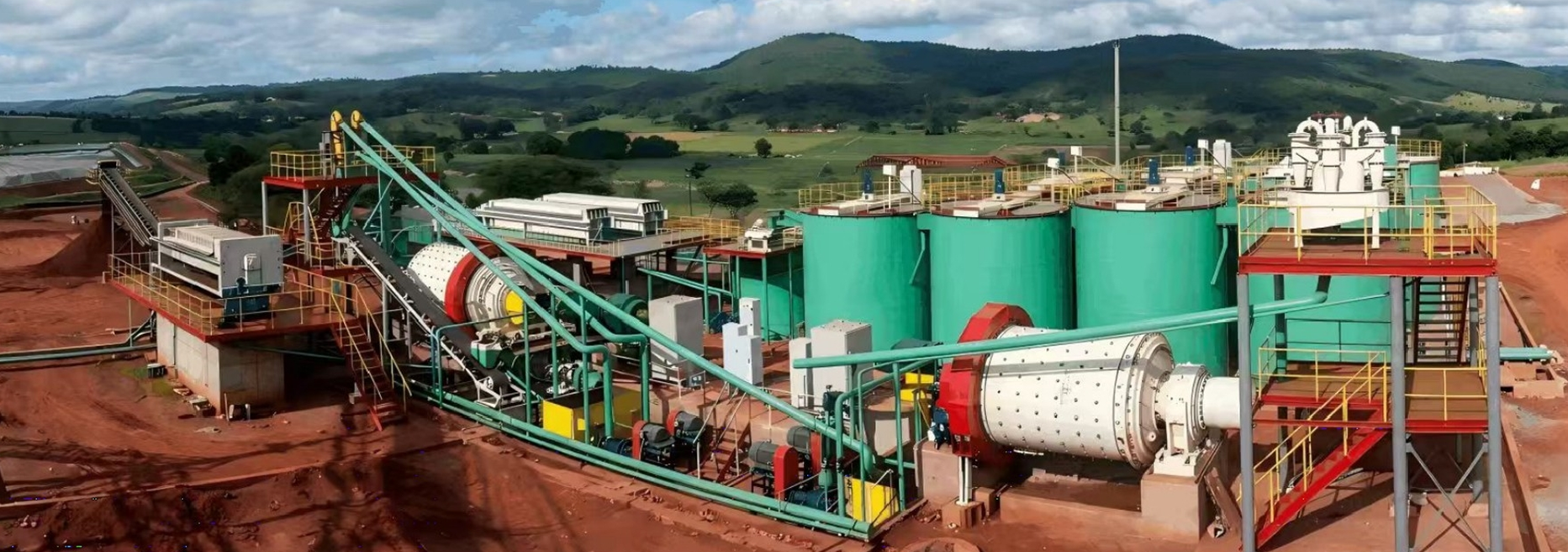
1、 Rock gold ore: four types of leachability vary greatly
According to the degree of oxidation, occurrence state of gold, and associated minerals, rock gold ores can be roughly divided into four categories:
① Oxidized (easily leached) gold is mostly exposed or semi exposed in the form of natural gold or silver gold, with low sulfide content. The requirement for grinding fineness is low (-200 mesh accounts for 60% to 75%), leaching is fast, and can be completed in 24 to 36 hours. The recovery rate is usually above 90% to 95%.
② Semioxidized ore/mixed ore (moderately leachable type) is located in the transition zone between the oxidation zone and the primary zone, with some gold still encapsulated by sulfides. Grinding fineness of -200 mesh accounts for 75% to 85%, leaching time is 36 to 48 hours, and the recovery rate is greatly affected by the proportion of encapsulated gold, which requires experimental verification.
③ Primary sulfide ore (difficult to leach type) gold is encapsulated in fine particles within the lattice or cracks of pyrite, arsenopyrite, and other minerals, making it difficult to dissociate as a single entity. It needs to be finely ground to -200 mesh, accounting for 85% to 95% or even finer, and leached for 48-72 hours; The direct leaching recovery rate is relatively low, and pre oxidation processes such as pressure oxidation and biological oxidation are often required.
④ Carbonaceous ores (gold robbing type) containing organic carbon and humic substances will preferentially adsorb gold cyanide complexes, known as "pre robbing". In the carbon slurry process, ore carbon competes with externally added activated carbon for adsorption, resulting in a decrease in adsorption rate. Typically, salt, paraffin, tar and other inhibitors or flotation decarbonization are required, making the selection the most complex.
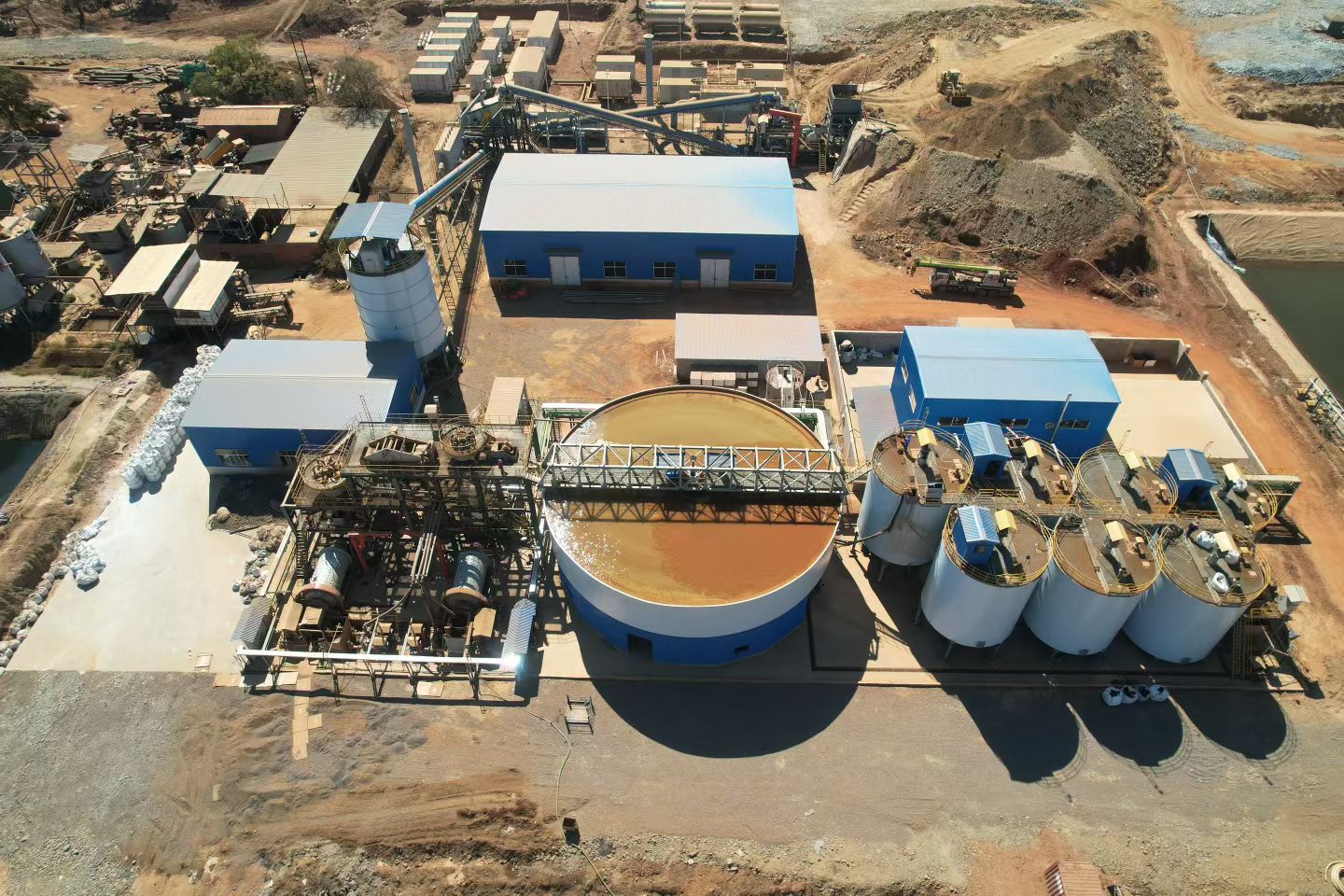
2、 CIL and CIP: The timing of immersion determines the winner
CIL (Charcoal Leaching Method): Adding charcoal while leaching in the same group of tanks: After the slurry enters the series of tanks, cyanide leaching and activated carbon adsorption occur simultaneously, with reverse flow between activated carbon tanks. New charcoal is added from the end and gold loaded charcoal is extracted from the end.
CIP (carbon slurry method) leaching and adsorption are divided into two stages: the slurry is first leached out in the leaching tank to complete most of the leaching, and then enters the adsorption tank. Activated carbon only recovers gold in the reverse flow in the adsorption stage.
CIL combines leaching and absorption, while CIP combines leaching and absorption. The former eliminates the need for an independent adsorption section, resulting in a more compact process; the latter allows the slurry to fully leach before coming into contact with carbon, making it more suitable for leaching slow and difficult to leach ores.
Mineral selection: There is no optimal, only the best match
Easy to leach oxidized ore: The recovery rates of CIL and CIP are comparable, but the CIL process is short, the investment is low, and the land occupation is small, so it is usually preferred, especially for small and medium-sized mines.
Medium leachable mixed ore: both are feasible, depending on scale, investment, and testing - small scale, investment sensitive CIL selection; Choose CIP for large scale and stability.
Difficult to leach primary sulfide ore: CIP first fully leaches and then adsorbs, resulting in a more controllable recovery rate; If choosing CIL, it is necessary to extend leaching, increase tank capacity, and cooperate with fine grinding and even pre oxidation.
Carbonaceous gold mineralization: In CIL, the carbon in the ore competes with the external carbon for adsorption, requiring the addition of inhibitors or flotation decarbonization first; Serious robbery of gold may consider shortening the contact with CIP or choosing another route for gold extraction.
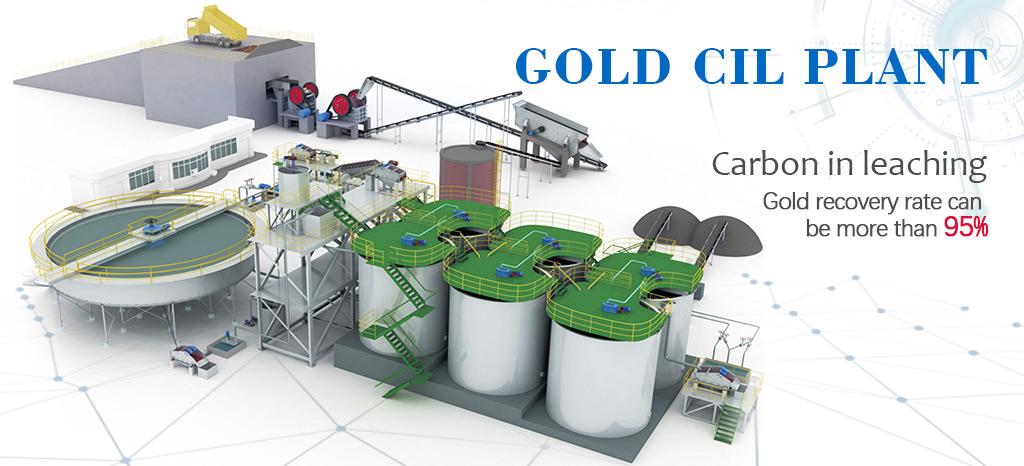
💰 4、 Investment and Recovery Rate: How to Calculate Accounts
In terms of investment, under the same scale, CIL has a compact process due to fewer slots, and equipment investment is usually about 5% to 10% lower than CIP, with a smaller footprint; However, the wear and replenishment amount of CIL activated carbon is slightly higher, and the difference in operating costs and CIP for the entire life cycle is not significant.
In terms of recovery rate, both easily leached oxidized ores reach over 90% to 95%, with little difference; The real difference is between refractory and carbon containing ores - CIP is first leached and then absorbed, with more stable indicators, while CIL is more affected by leaching speed and gold theft, with greater fluctuations. It should be emphasized that the above ratios are based on general industry experience, and specific indicators must be subject to ore selectivity tests and expansion tests.
Whether gold mines use reselection, flotation, or cyanide is essentially determi
The leachability of rock gold (vein gold) ores varies greatly. Similarly, for cy
The whole ore cyanidation carbon-in-leach (CIL) process is one of the mainstream
 +86-19139706301
 +86-19139706301