|
Feeding Size
|
300-1200 mm |
|
The Discharging Size
|
Gold bar |
|
Processing Capacity
|
100-1500 tpd |
|
Applied Material
|
rock gold ore |
|
Details Overview
|
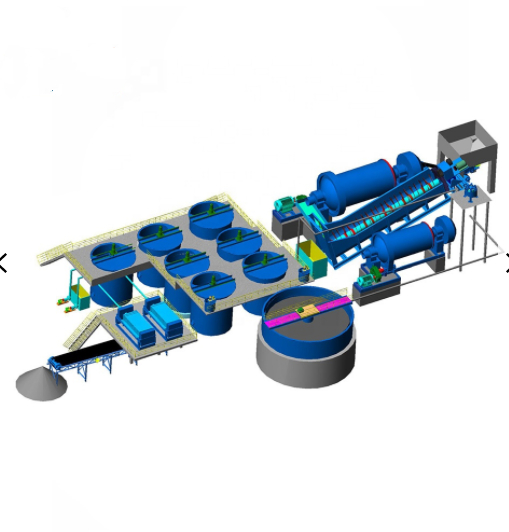
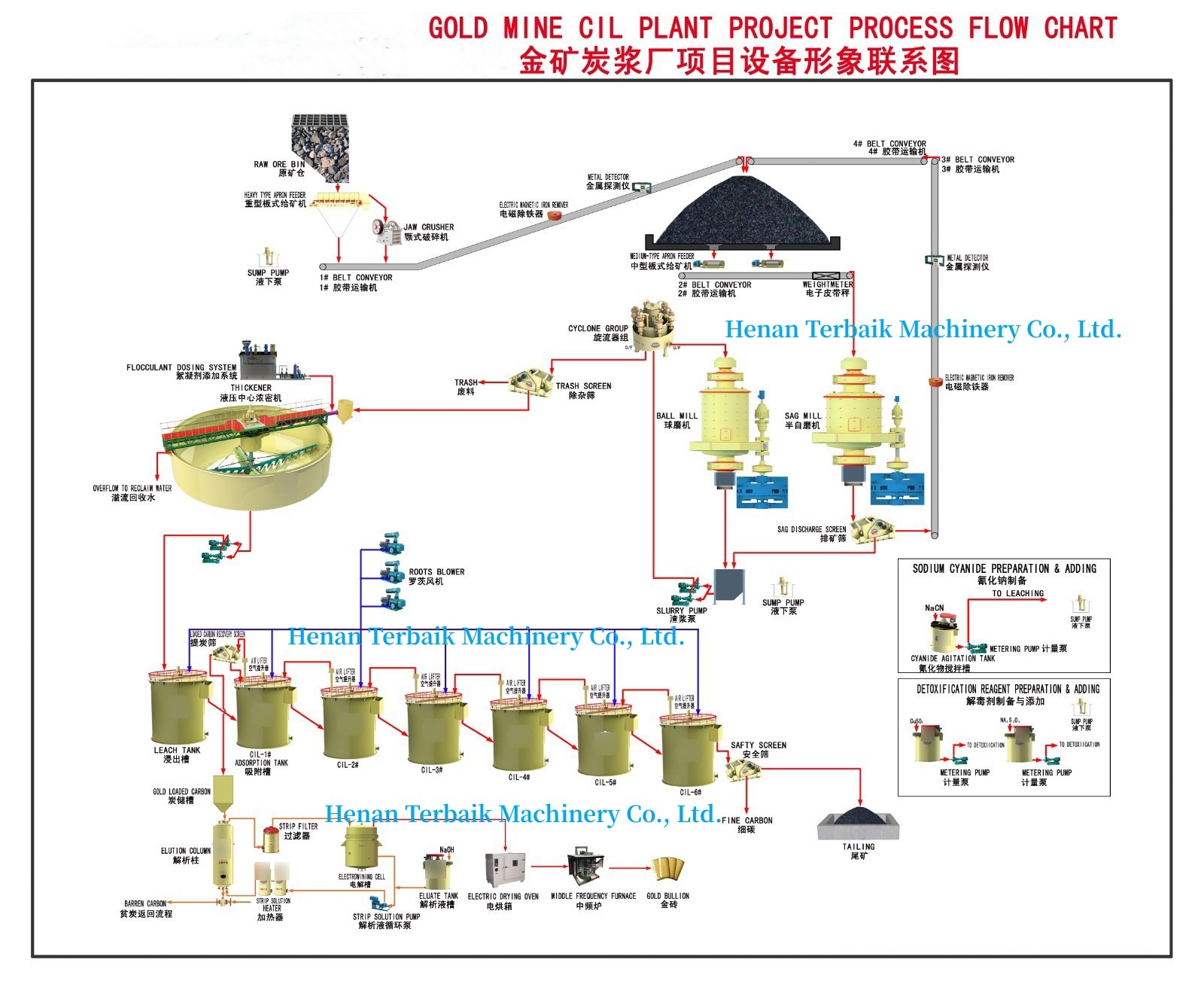
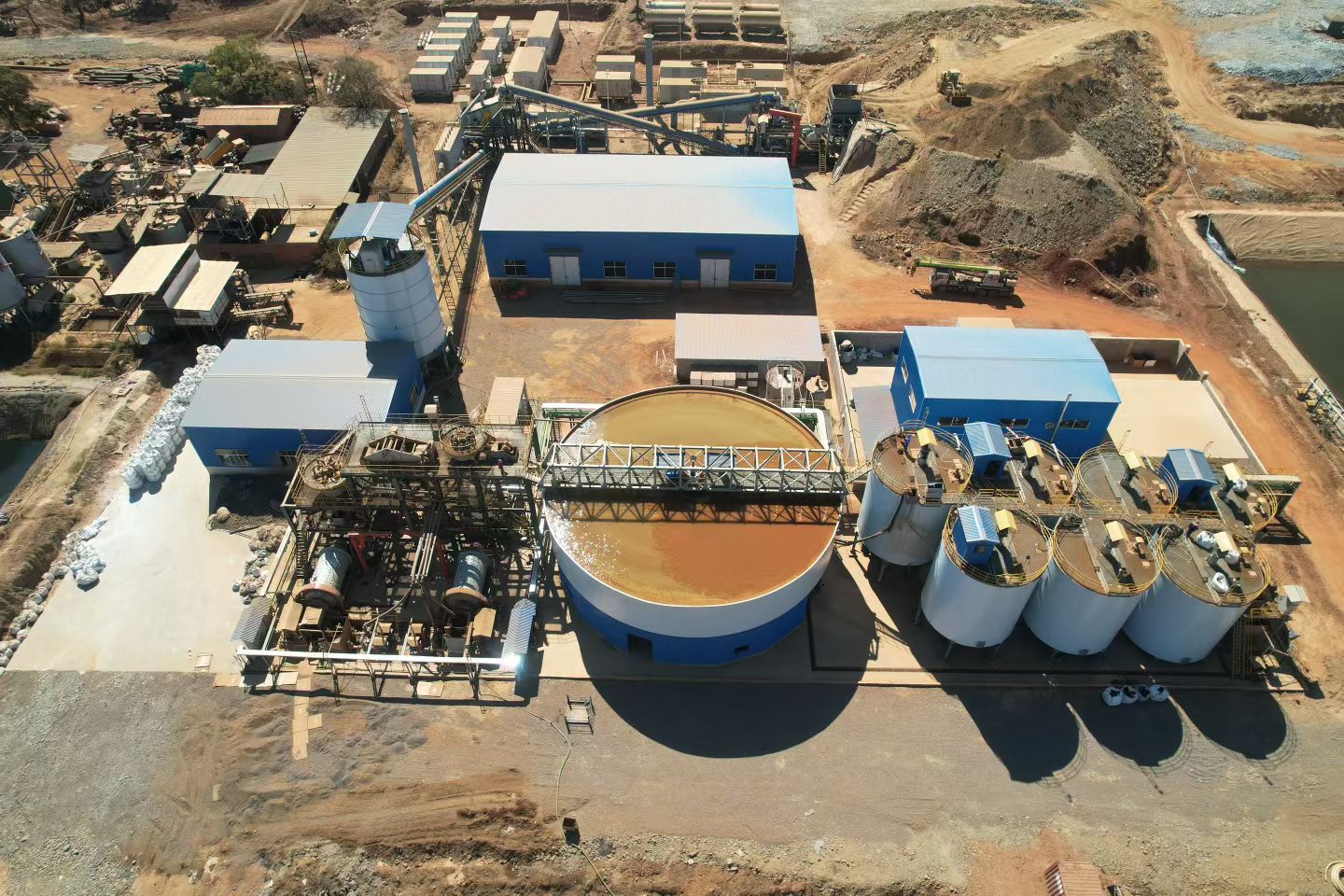
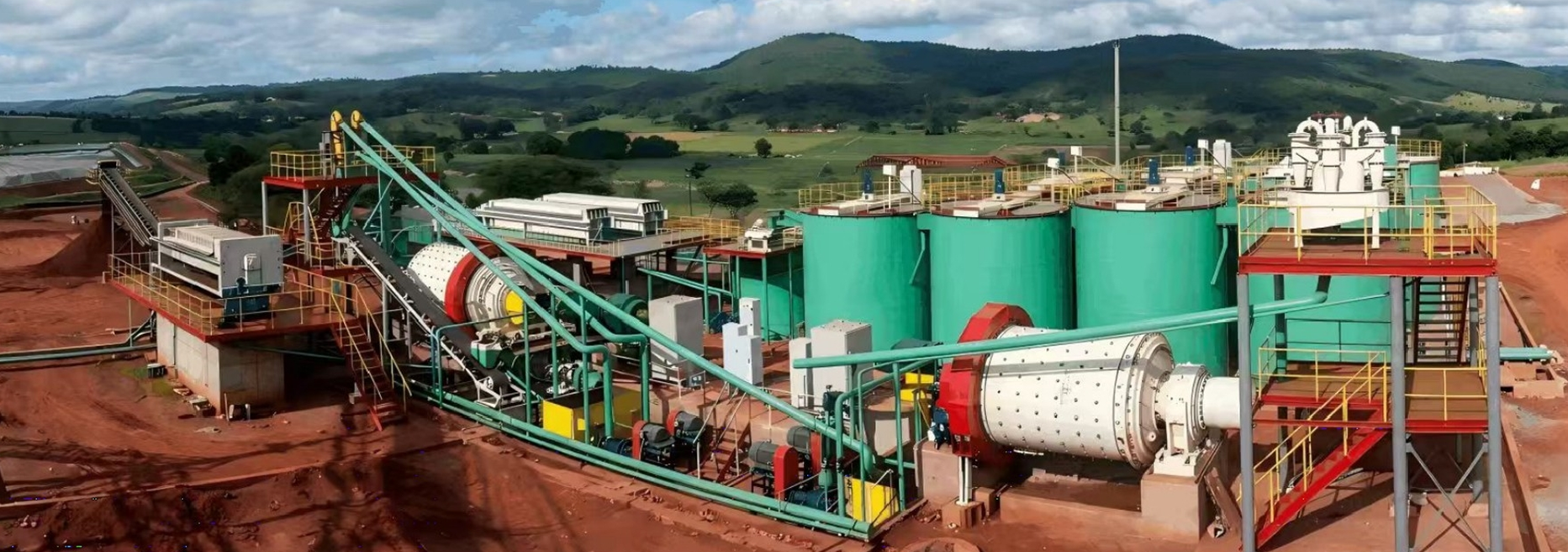
Gold CIL CIP Processing plant |
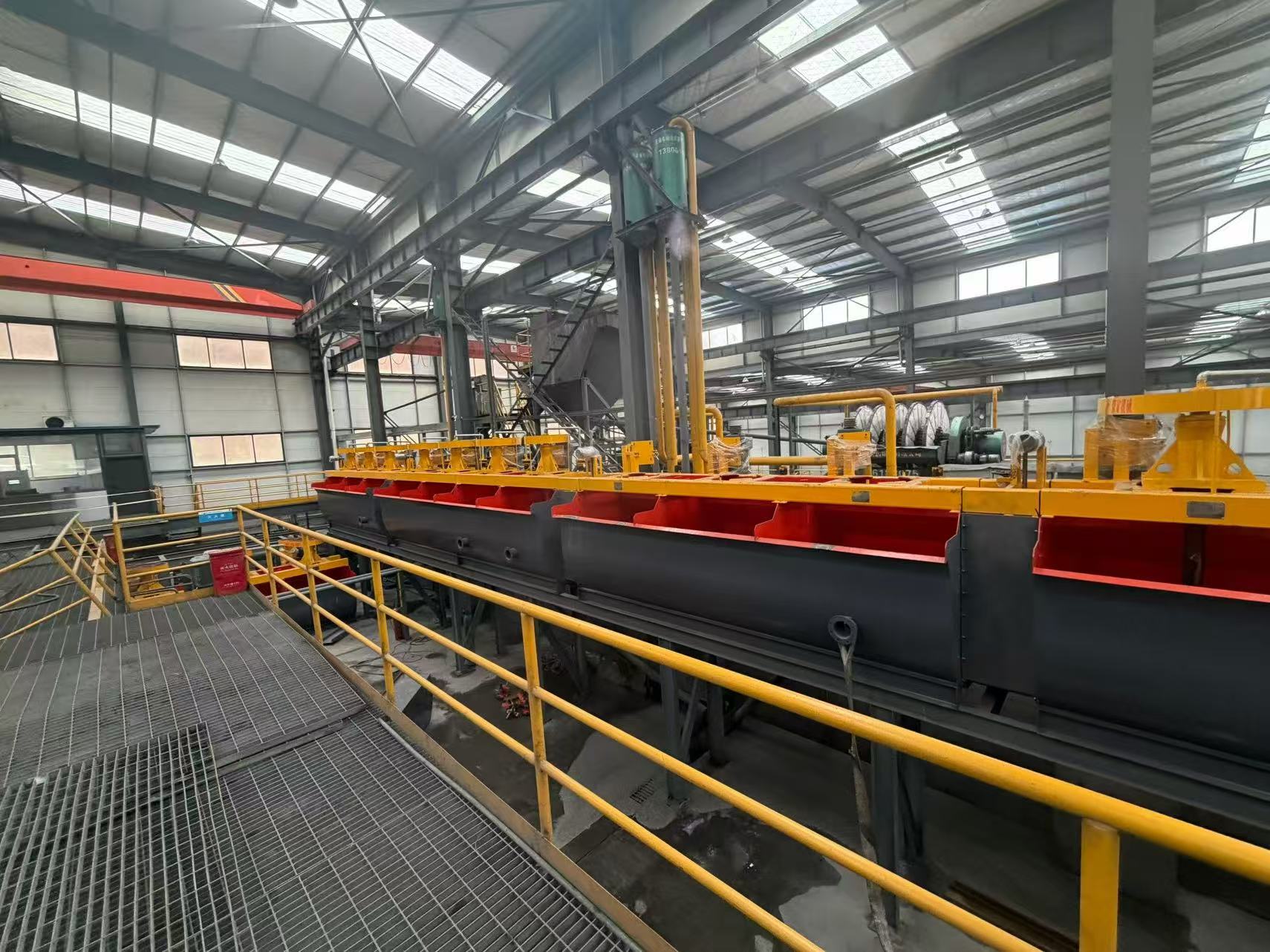
Applications:Flotation machine is widely applied in the separation of ferrous minerals such as iron, non-ferrous metals including copper and gold, as well as no...
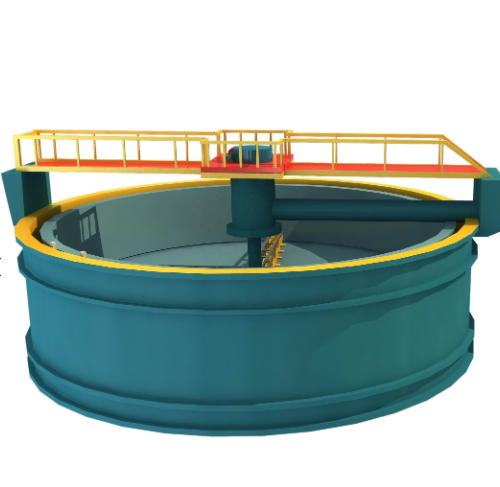
NZ (S) type (also called TNZ type) centre drive concentrator is earlier traditional concentrated equipments, machines diameter less than 12m work in manual cond...
Whether gold mines use reselection, flotation, or cyanide is essentially determined by the mineralogical characteristics of gold, rather than its origin or grade. There are three selection criteria: gold particle size distribution, gold deposit form, ore type, and associated minerals.
1.Monomer Free Gold
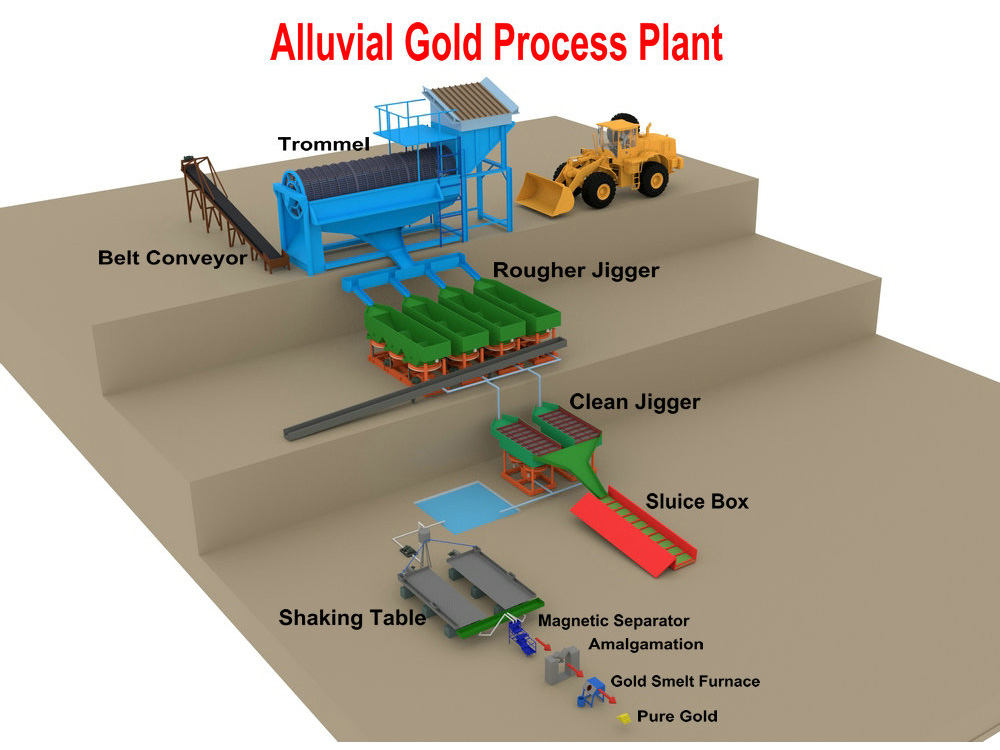
Gold exists in the form of natural gold, with coarse particle size and high monomer dissociation degree. Coarse grained monomeric gold has a high density (about 19.3 g/cm ³) and can be directly recovered by reselection; Fine grained monomeric gold (0.01~0.1 mm) has a clean surface and is easy to cyanide leach.
2. Intergrowth Gold
Gold is associated with pyrite, arsenopyrite, or gangue and requires grinding to promote monomer dissociation. If the dissociation degree is high, it needs to be reselected. If the dissociation is insufficient, flotation or cyanide bottoming is required.
3. Includes/Submicroscopic Gold
Gold exists in fine particles (<10 μ m, even entering the sulfide lattice) in pyrite and arsenopyrite, and cannot be contacted by cyanide agents, making it a difficult to process gold ore. It is necessary to 'open the package': first float the enriched concentrate, then pretreat it with roasting, biological oxidation or pressure oxidation, and finally cyanide.
4. Solid solution gold
Gold enters the mineral lattice to form homogeneity, cyanide is almost ineffective, and economic recovery is extremely difficult.
Sand gold mine
Coarse particles and monomer dissociation; Re-election; Chute/Jig/Shaker; Lowest cost
Oxidized ore
Fine particles, clean surface and easy immersion; Cyanide whole mud; Cyanide (CIL/CIP) or heap leaching; High recovery rate;
Sulfide ore
Fine grained, associated pyrite/arsenopyrite; Flotation; Enriched into gold concentrate, then sent for smelting or cyanide treatment;
Mixed ore
Oxidation sulfurization transition; Re selection+flotation; Joint process, heavy first, floating later
Harmful components and difficult handling
Contains arsenic (arsenopyrite)
To suppress flotation and cyanide poisoning, arsenic removal by flotation or pretreatment is required;
Carbonaceous gold mine
Carbonaceous materials have a "pre robbing" effect on dissolved gold and require carbon suppression or oxidation pretreatment;
Contains copper and antimony
A large amount of cyanide is consumed and valuable liquid is contaminated, requiring pre removal or adjustment of the leaching system;
High clay content
Deterioration of flotation and cyanide permeation usually requires desliming pretreatment.
① Re-election
For coarse-grained and highly dissociated monomeric gold, it is often used as a pre enrichment precursor to prevent over grinding loss of crude gold;
② Flotation
Focusing on fine-grained and sulfide associated gold, enriching concentrate at low cost is the mainstream of sulfide ore;
③ Cyanidation
Targeting fine-grained and easily leached (oxidized) gold, direct gold extraction has the highest recovery rate, but requires high material purity.
In summary, the three processes of reselection for coarse gold, flotation enrichment, and cyanide leaching for fine gold are relay according to the particle size and occurrence state of gold. If gold is difficult to select, it is first "cracked" before cyanide leaching.
Whether gold mines use reselection, flotation, or cyanide is essentially determi
The leachability of rock gold (vein gold) ores varies greatly. Similarly, for cy
The whole ore cyanidation carbon-in-leach (CIL) process is one of the mainstream
 +86-19139706301
 +86-19139706301