


Contact us for a quote and free process design
know what you are expecting from mining project and we are making it happen with
unrivalled products and services.
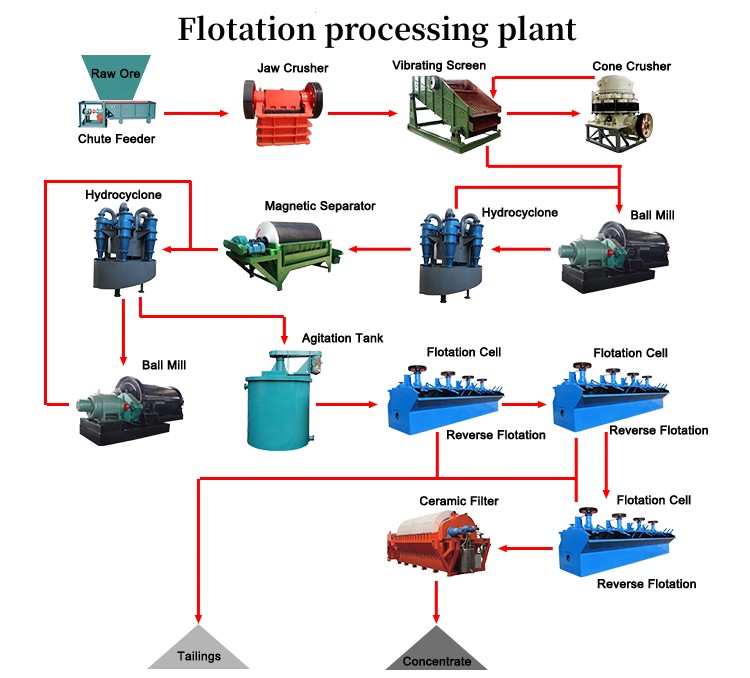
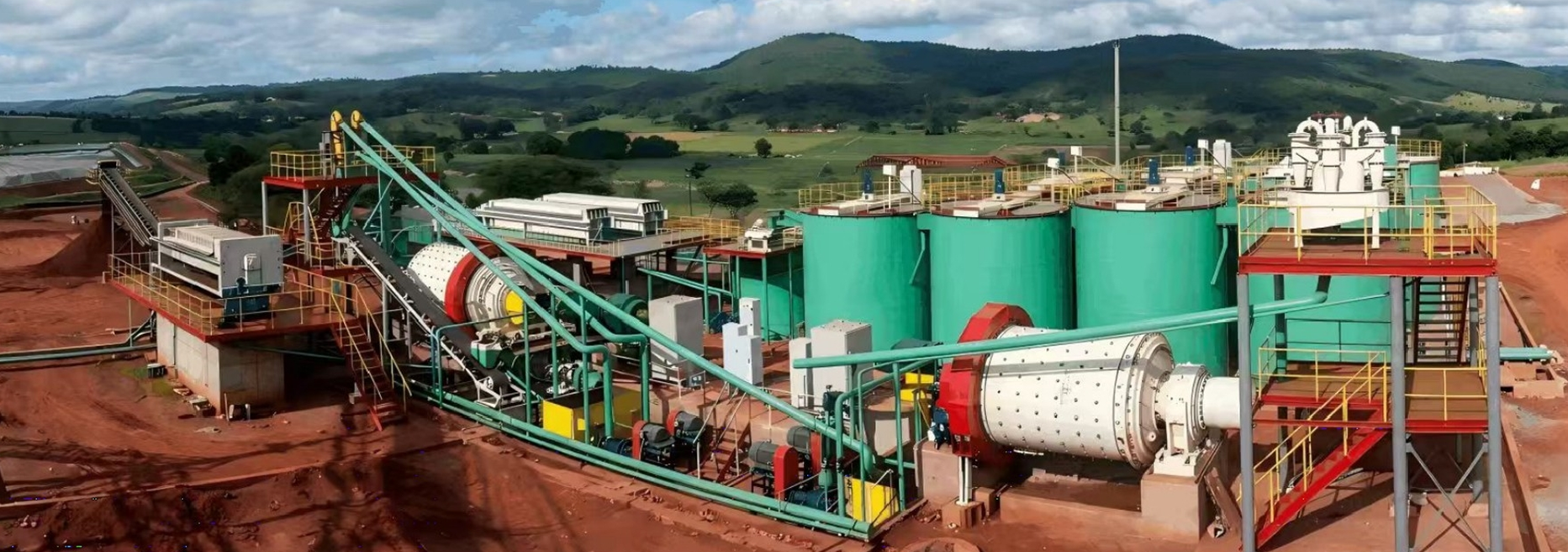
Zinc processing plant【Process Introduction】The main minerals in zinc ore are sphalerite, marmatite, smithsonite and hemimorphite. The zinc sulfide mineral is sphalerite, and the main zinc oxide minerals are smithsonite and hemimorphite. Flotation process is often used as the zinc extraction proces
Zinc processing plant
【Process Introduction】
The main minerals in zinc ore are sphalerite, marmatite, smithsonite and hemimorphite. The zinc sulfide mineral is sphalerite, and the main zinc oxide minerals are smithsonite and hemimorphite. Flotation process is often used as the zinc extraction process.
【Application】
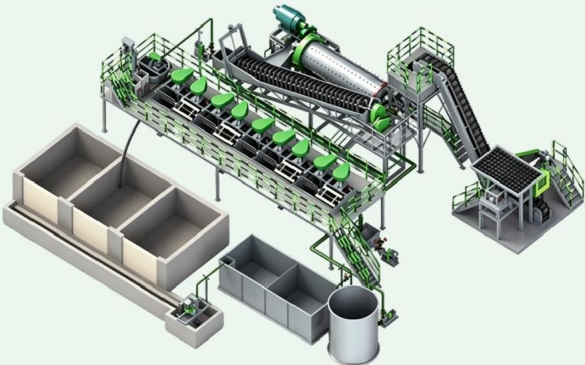
China is very rich in zinc ore resources, and the proven zinc reserves are among the highest in the world. However, with the continuous development and utilization of mineral resources, there are less and less easily selected zinc sulfide ores. Therefore, it is more and more important to choose the appropriate zinc extraction process for improving the recovery rate of zinc ores.

Convenient transportation, crawler walking, no damage to the road, equipped with multi-functional accessories, Drived by oil and electricity.
The whole crushing plant adopts all-wheel drive to realize rotating direction in place, with perfect protection function, especially suitable for narrow and complex site.
The crawler crushing plant could be optional for jaw crusher, impatct crusher, cone crusher, VSI crusher etc.
It can work uphill to meet the crushing requirements of mining, hydropower station, coal mine and other projects.
[Process Introduction]
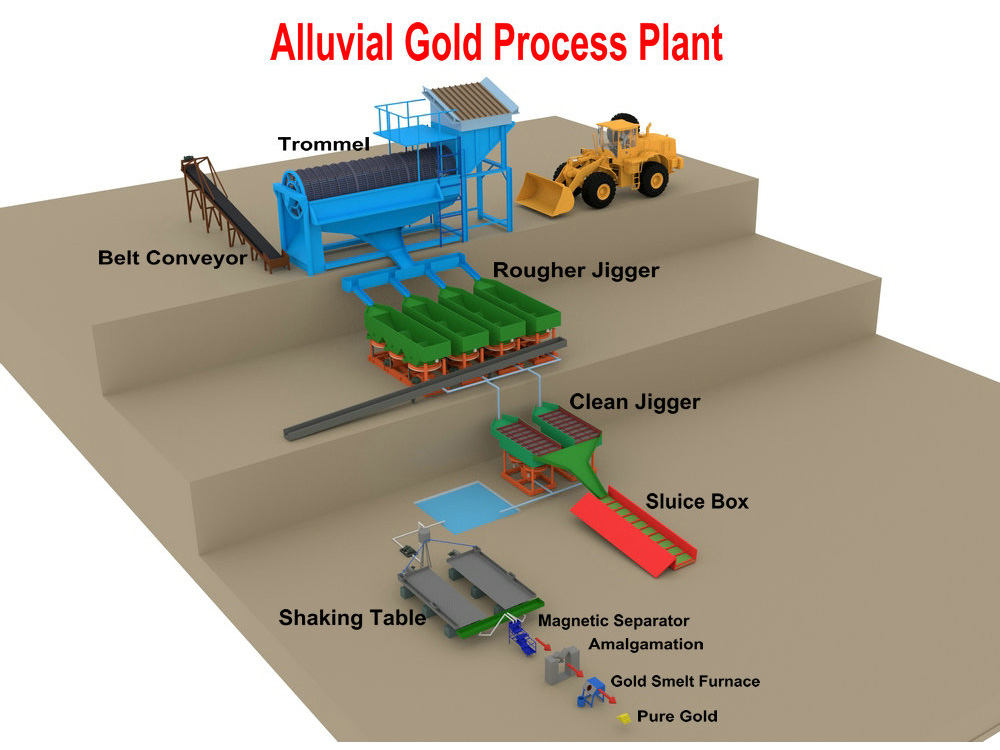
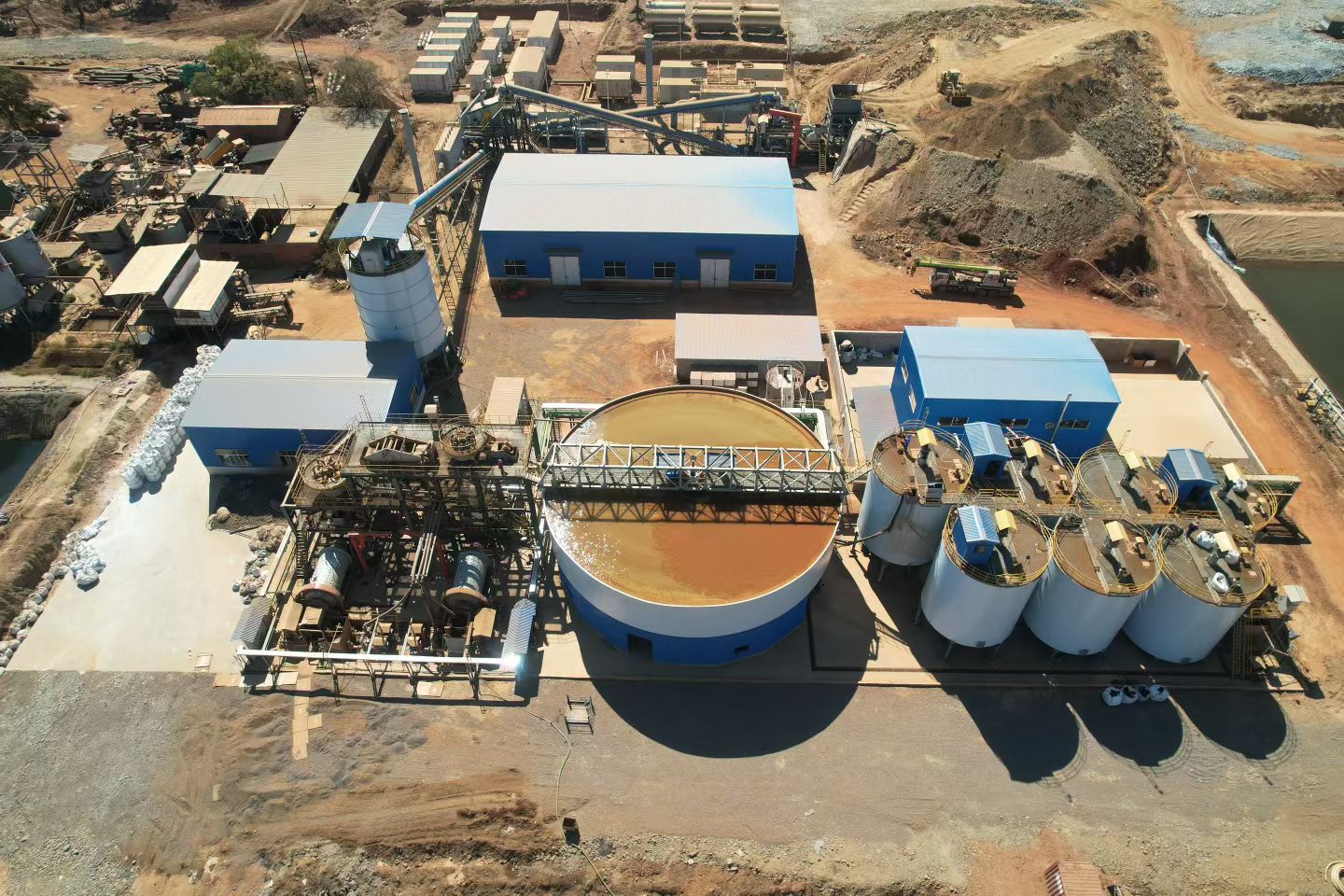
The floatability of sphalerite depends largely on the impurities contained in it, especially the content of iron. Generally, sphalerite is a kind of sulfide mineral which is difficult to floated, especially the high iron-containing marmatite. But cadmium-bearing sphalerites are easy to floated, and some cadmium-containing sphalerites can be floated without collectors.
The treatment of mineral surface has great influence on the natural floatability of sphalerite. It was found that the sphalerite showed a certain degree of natural floatability ground by the porcelain ball mill, while the sphalerite lost its natural floatability ground by the steel ball mill.
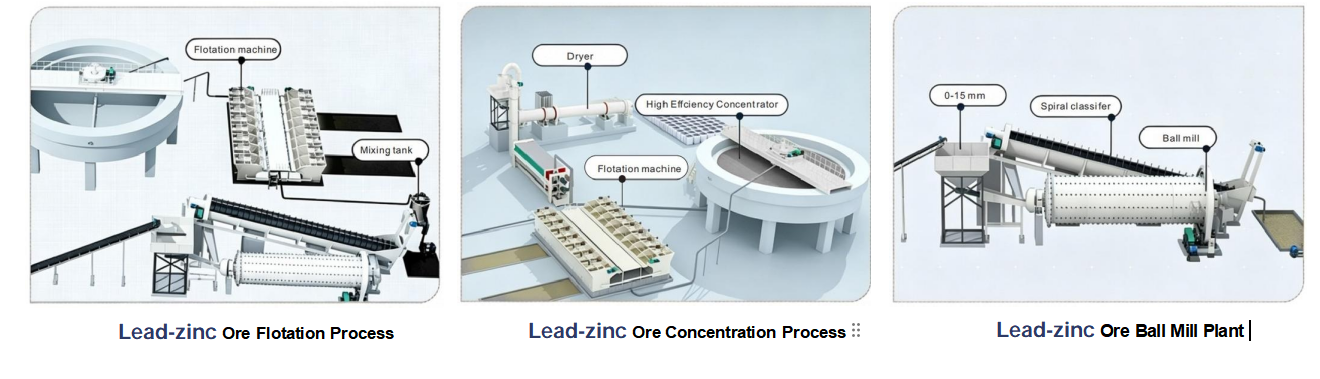
Smithsonite can be directly recovered by the flotation process with advanced xanthate or collector of fatty acid, but the selectivity is very poor. In the industrial production, the amine collector (octadecylamine or mixed amine) is often used to the extraction of smithsonite after the sodium sulfide treatment. The research showed that, different from cerusite, there is no sulfide phase on the surface of smithsonite after the sodium sulfide treatment, but the electronegativity of smithsonite surface is increased, which is beneficial to the adsorption of cationic collector.
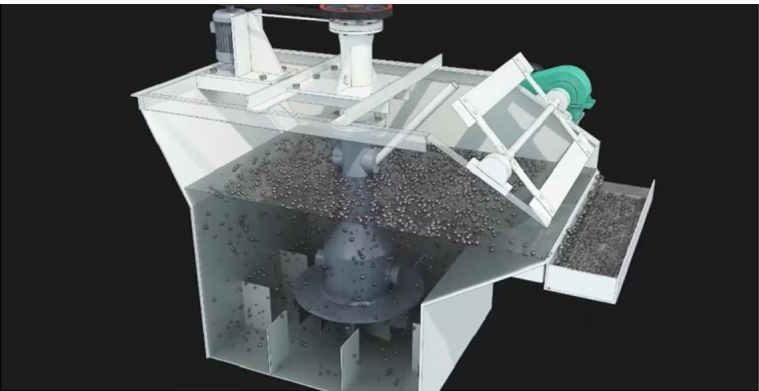
*The output will vary according to different materials, feed particle size and other factors
 +86-19139706301
 +86-19139706301