|
Feeding Size
|
300-1200 mm |
|
The Discharging Size
|
Gold bar |
|
Processing Capacity
|
100-1500 tpd |
|
Applied Material
|
rock gold ore |
|
Details Overview
|
Gold CIL Processing plant |
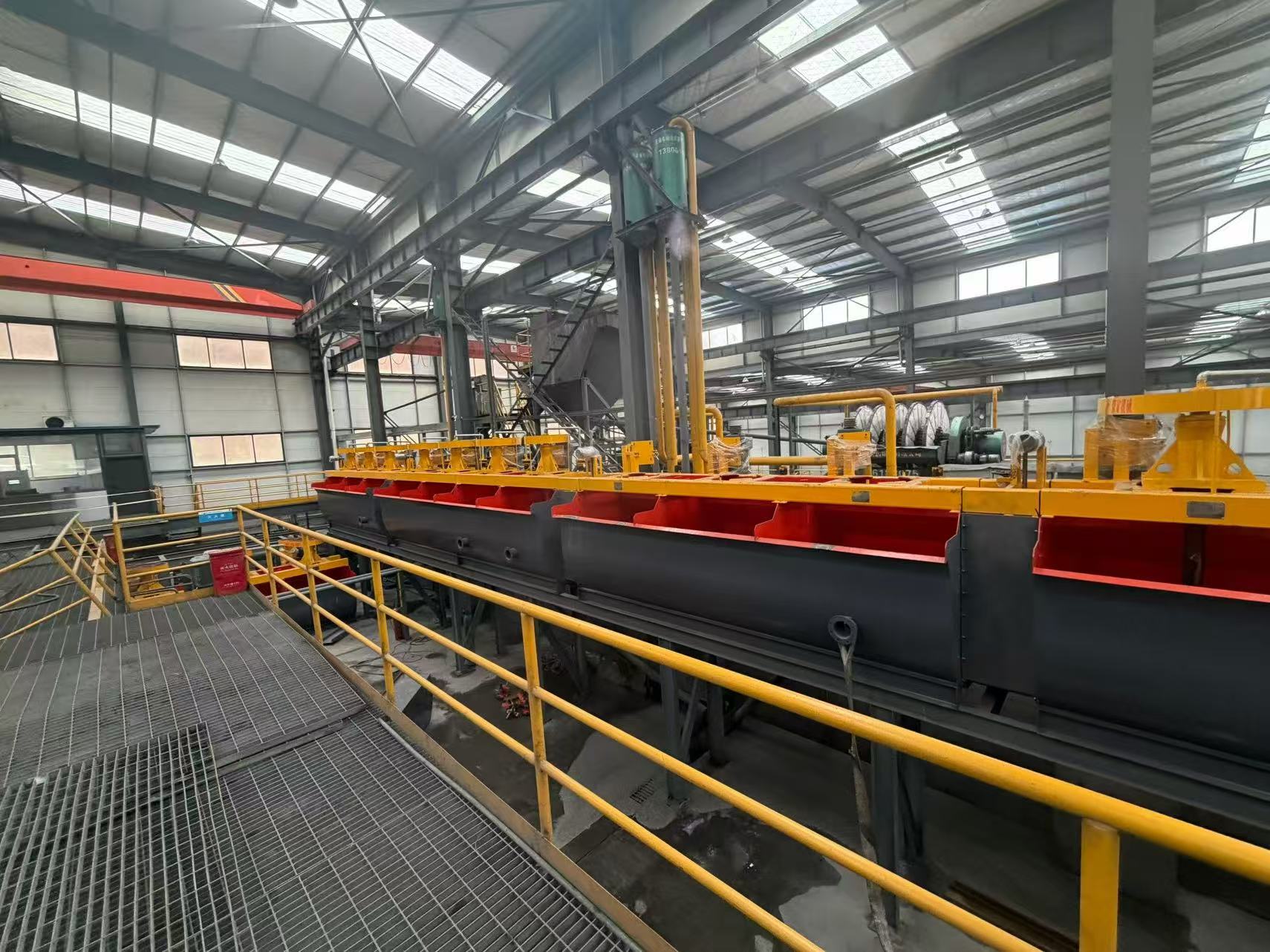
Applications:Flotation machine is widely applied in the separation of ferrous minerals such as iron, non-ferrous metals including copper and gold, as well as no...
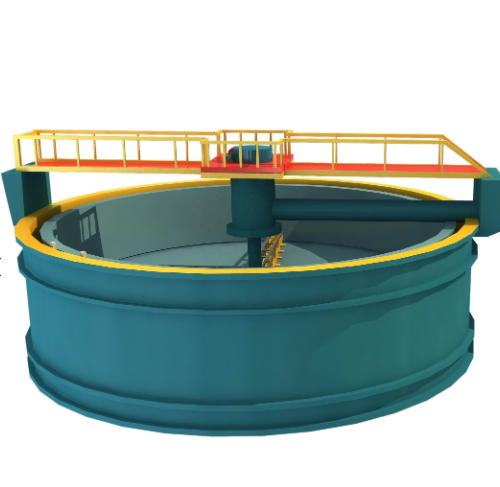
NZ (S) type (also called TNZ type) centre drive concentrator is earlier traditional concentrated equipments, machines diameter less than 12m work in manual cond...
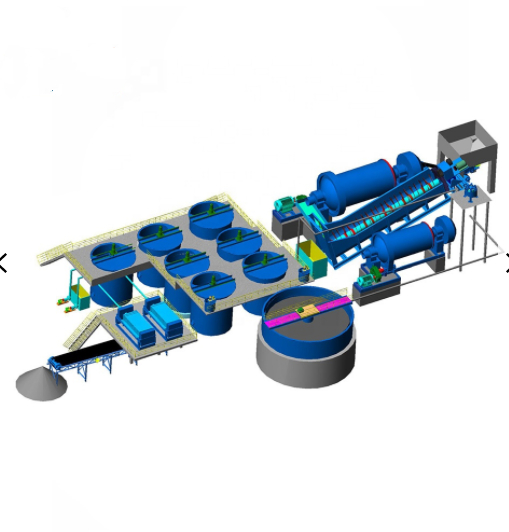
The whole ore cyanidation carbon-in-leach (CIL) process is one of the mainstream methods for treating oxidized gold-bearing ores and low-grade easily leachable ores. Taking a 1,500-ton-per-day CIL plant as the case study, this paper outlines its process principles, flow pathways, equipment configuration logic, and investment scale, serving as a reference for project decision-making and process comparison. In the whole ore cyanidation method—after fine grinding the ore, no further beneficiation is conducted. The gold-bearing minerals are directly exposed to the pulp, where they dissolve into the gold-cyanide complex ion [Au(CN)₂]⁻ under the action of cyanide and dissolved oxygen, and are then counter-currently adsorbed by activated carbon, eliminating the need for multiple traditional solid-liquid separation steps.
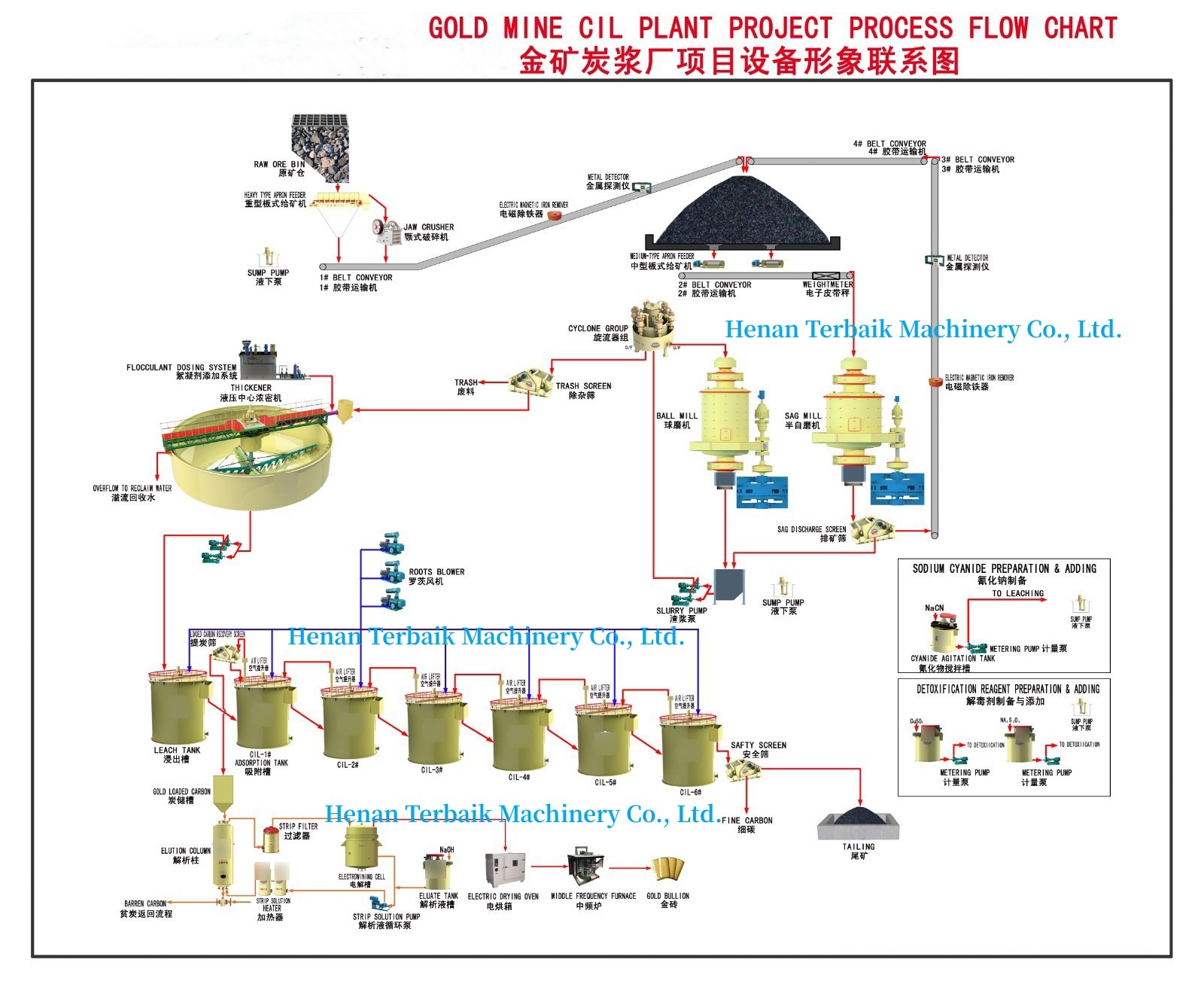
1、 Process principle of all mud cyanide:
After fine grinding, the ore is no longer subjected to selective enrichment, and the gold containing minerals are directly exposed in the slurry. Under the combined action of cyanide and dissolved oxygen, the gold is dissolved into gold cyanide complex ions [Au (CN) ₂] ⁻. The dissolution process needs to maintain appropriate alkalinity to prevent cyanide hydrolysis and volatilization, and ensure sufficient dissolved oxygen in the slurry. Coal slurry adsorption (CIL): Activated carbon is introduced into the leaching tank, and gold cyanide complex ions are selectively adsorbed by the activated carbon. Charcoal moves in reverse flow between tanks - new charcoal is added from the end and gold loaded charcoal is extracted from the end, and leaching and adsorption are carried out synchronously, eliminating the need for multiple solid-liquid separation steps such as slurry thickening, washing, and purification in traditional processes.
Compared to CIP, CIL has stronger adaptability to ores with high mud content and slow leaching; Compared to the zinc powder displacement method, the CIL process is shorter and more suitable for fine-grained and argillaceous ores.
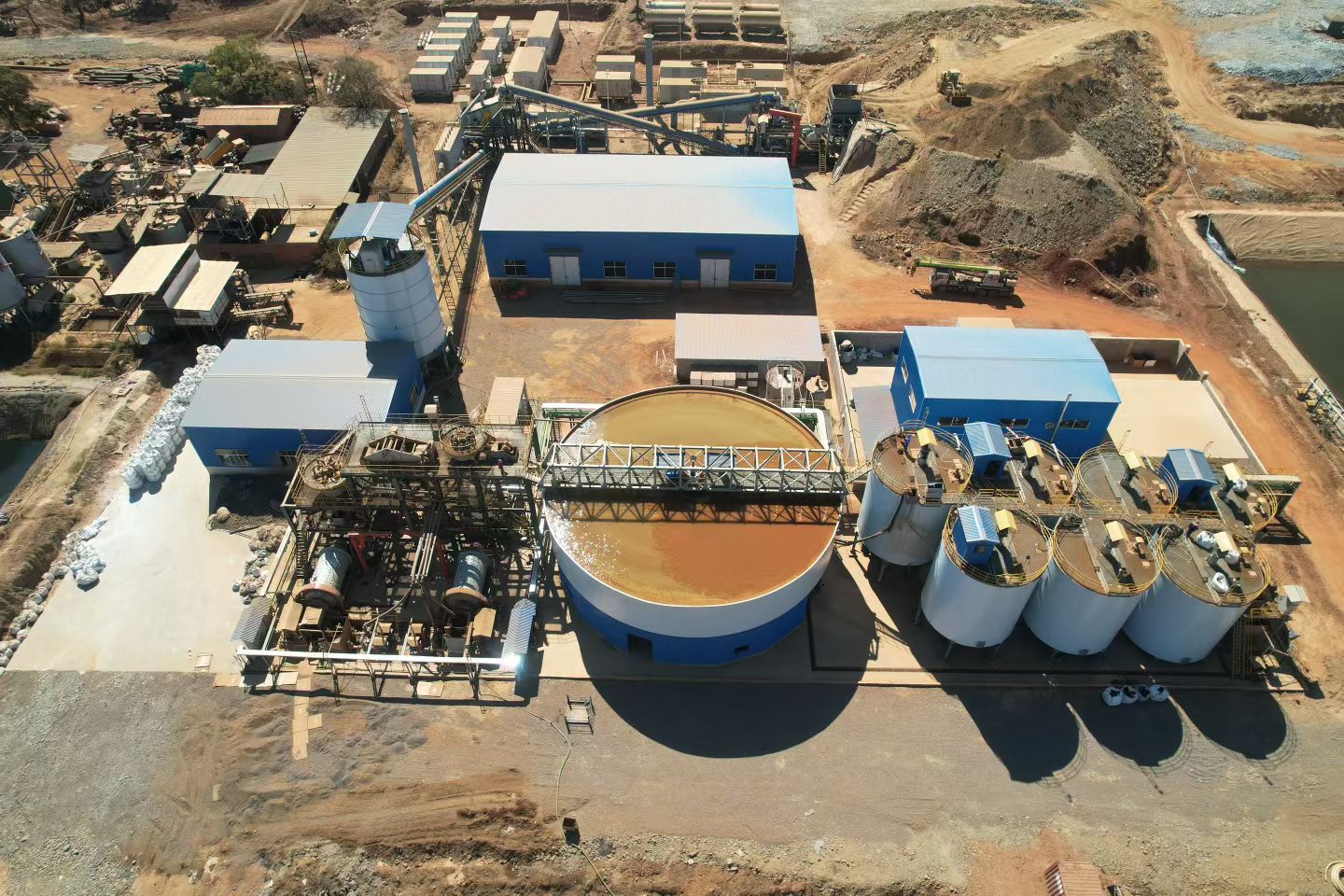
2、 Process flow direction
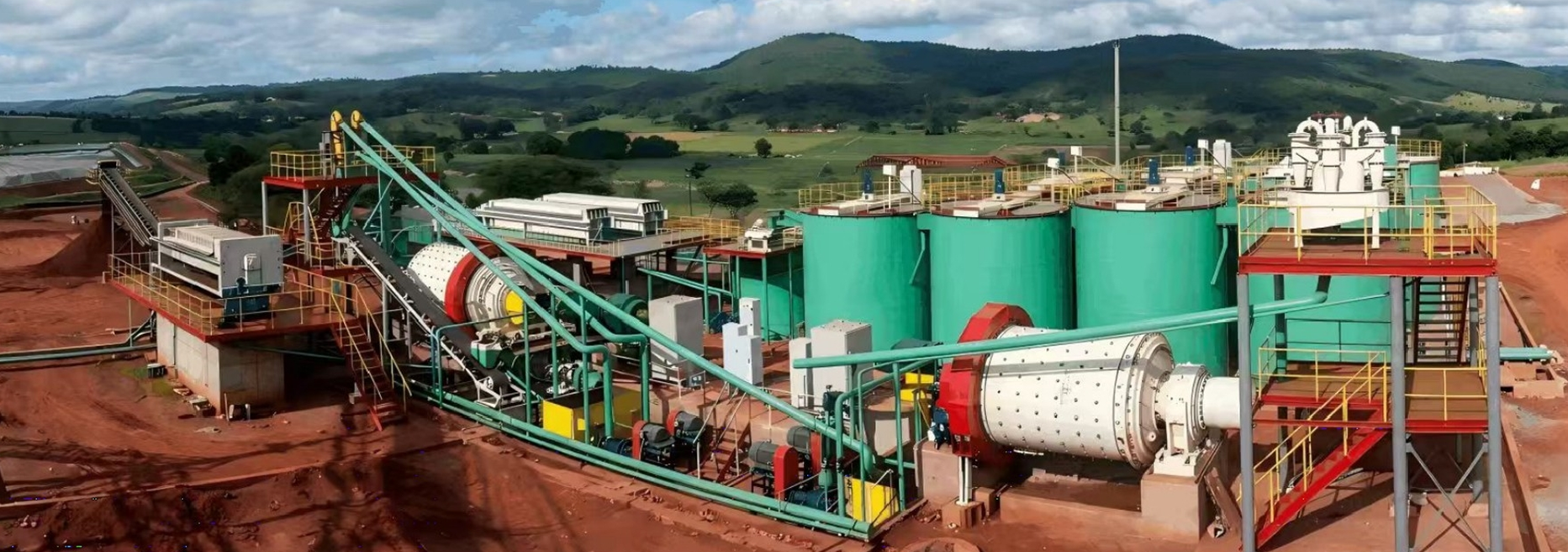
The main process of this project is as follows: raw ore feeding → two-stage crushing and screening → grinding and grading → concentration and dehydration → leaching and adsorption (CIL) → carbon extraction → desorption electrolysis → smelting, ultimately producing high-quality gold ingots; Equipped with supporting systems such as drug preparation, inflation, gold loaded carbon acid washing regeneration, tailings cyanide removal, and return water reuse.
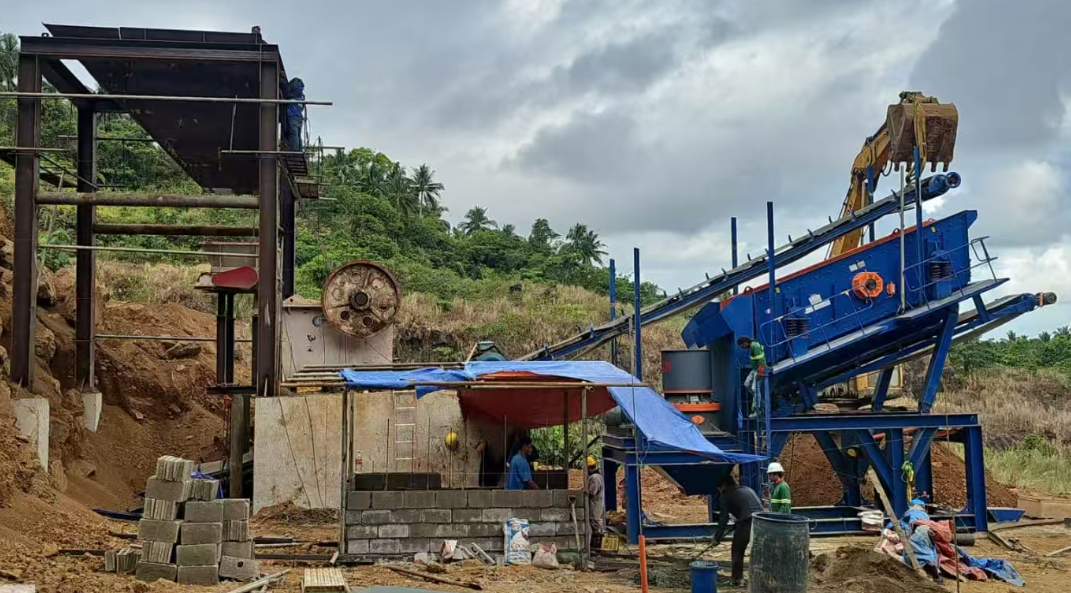
01 Crushing and screening
The raw ore is stably fed into a two-stage jaw crushing system through a feeding machine (including variable frequency speed regulation): coarse crushing PE750 × 1060 jaw crushing, fine crushing PEX300 × 1500 jaw crushing, and equipped with 2YA2470 vibrating screen to form a two-stage closed circuit crushing system, ensuring the particle size for grinding; A iron remover is installed in the belt conveyor to prevent metal parts from entering the mill.
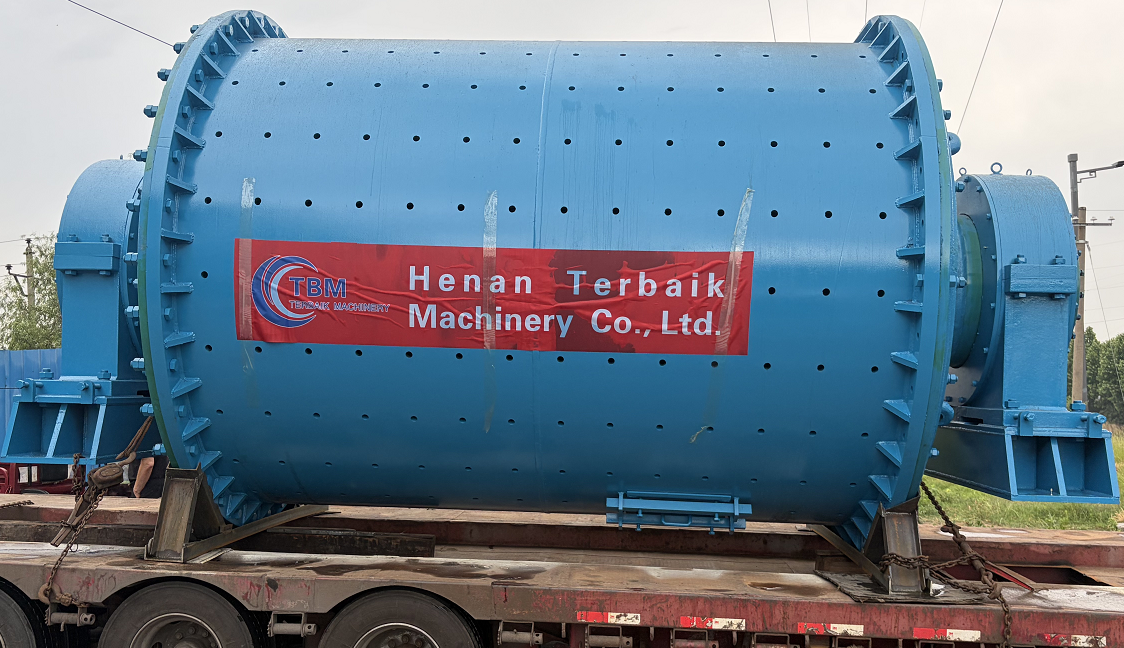
02 Grinding and Grading
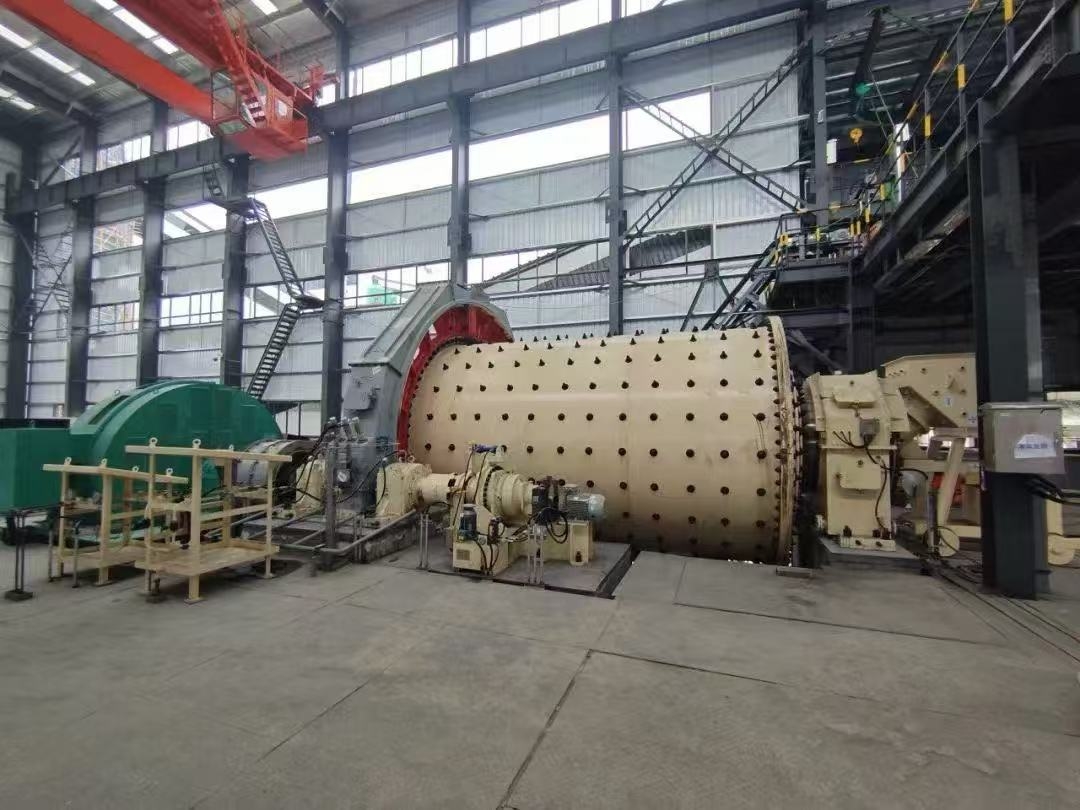
Qualified ore enters the MQG3245 grid ball mill and is subjected to closed-loop grinding with a 2FL 2.4-meter double spiral classifier. The sand is returned for further grinding, and the overflow reaches the leaching fineness (generally -200 mesh accounts for about 85%, subject to leaching test); In addition, a hydraulic cyclone group is equipped to strengthen classification and stabilize the overflow fineness and concentration.
03 Concentrated dehydration
Grinding overflow enters the 30 meter hydraulic concentrator for dewatering and slurry adjustment, adjusting the slurry concentration to the appropriate range for leaching (usually 35% -45%), providing stable ore feeding conditions for leaching.
04 Leaching Adsorption (CIL)
·After concentration in the core process, the slurry enters the CIL system connected in series with 8 leaching mixing tanks, while adding sodium cyanide and lime milk (to protect the alkali and control the pH to prevent cyanide volatilization). The tanks are filled with air by a Roots blower to supplement dissolved oxygen; Activated carbon in the tank adsorbs gold in reverse flow. The leaching time, carbon density, and dosage are the main control parameters.
05 Coal extraction and treatment
The leached tailings are subjected to carbon screening and safety screening to prevent carbon leakage and damage, and a debris removal screen is installed to remove coarse impurities; The gold loaded carbon is extracted through a carbon extraction sieve, and then subjected to acid washing in conjunction with a carbon washing sieve in a conical bottom washing tank to remove impurities such as carbonates before entering desorption electrolysis; After desorption, the lean carbon is regenerated and returned to the adsorption system for recycling.
06 Desorption electrolysis
The gold loaded carbon is sent to the complete set of equipment for normal temperature and pressure analytical electrolysis (with a processing capacity of 2000 kg level), and the gold is desorbed with alkaline cyanide solution, and gold sludge is deposited by electrodeposition.
07 Smelting Gold Mud
Add an appropriate amount of flux and melt at high temperature in a metallurgical furnace to produce alloy gold ingots.
08 Tailings Treatment and Backwater
The leached tailings slurry is sent to the tailings pond after cyanide neutralization (alkaline chlorination method, SO ₂ - air method, etc.) meets the standard; The clarified return water from the tailings pond is pumped back to the production system for reuse, reducing the consumption of cyanide and chemicals, and decreasing the amount of fresh water used. Lime milk/sodium cyanide/slurry mixing tank, as well as slurry pump, submersible pump, magnetic pump, clean water pump, glue pump and other guarantee agents preparation and slurry transportation.
Technical points and precautions
① The leaching conditions should control the slurry concentration, pH (protective alkali is generally controlled above 10.5 to prevent cyanide hydrolysis and volatilization), cyanide concentration, aeration rate, and leaching time, which should be optimized according to the ore properties test to avoid excessive reagents or insufficient leaching.
② The particle size, density, acid washing, and regeneration quality of activated carbon directly affect the adsorption rate and desorption efficiency; Pay attention to carbon wear and running during operation, and regularly replenish new carbon.
③ Environmental protection and safety: Cyanide is a highly toxic substance, and strict regulations must be established for the use of chemicals, double locking of personnel, and emergency response systems; Disposal of tailings after cyanide removal meets standards, and anti-seepage measures for tailings ponds in accordance with regulations; Priority should be given to the reuse of cyanide containing wastewater to minimize external discharge.
④ Automated operation at a scale of 100-1500 t/d should be matched with slurry concentration pH、 Flow online detection and automatic dosing system, stabilizing working conditions and reducing medication consumption and indicator fluctuations caused by manual fluctuations.
Whether gold mines use reselection, flotation, or cyanide is essentially determi
The leachability of rock gold (vein gold) ores varies greatly. Similarly, for cy
The whole ore cyanidation carbon-in-leach (CIL) process is one of the mainstream
 +86-19139706301
 +86-19139706301