|
Feeding Size
|
200-1200 mm |
|
The Discharging Size
|
200 mesh |
|
Processing Capacity
|
50-1200 tpd |
|
Applied Material
|
Copper cobalt ore |
|
Details Overview
|
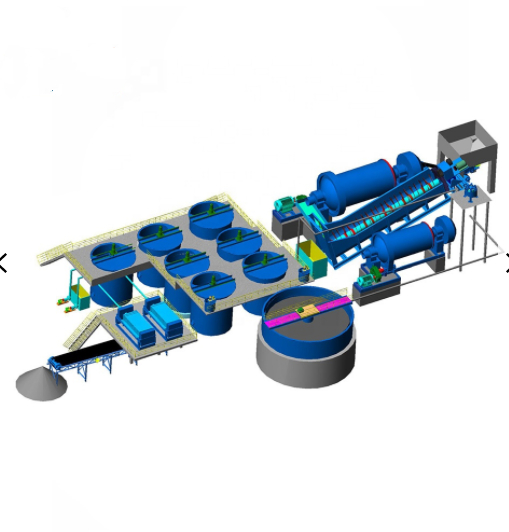
The core of copper cobalt ore beneficiation lies in the clever combination of flotation and hydrometallurgy: sulfide ore achieves copper cobalt separation through efficient inhibitors and stage grindi |
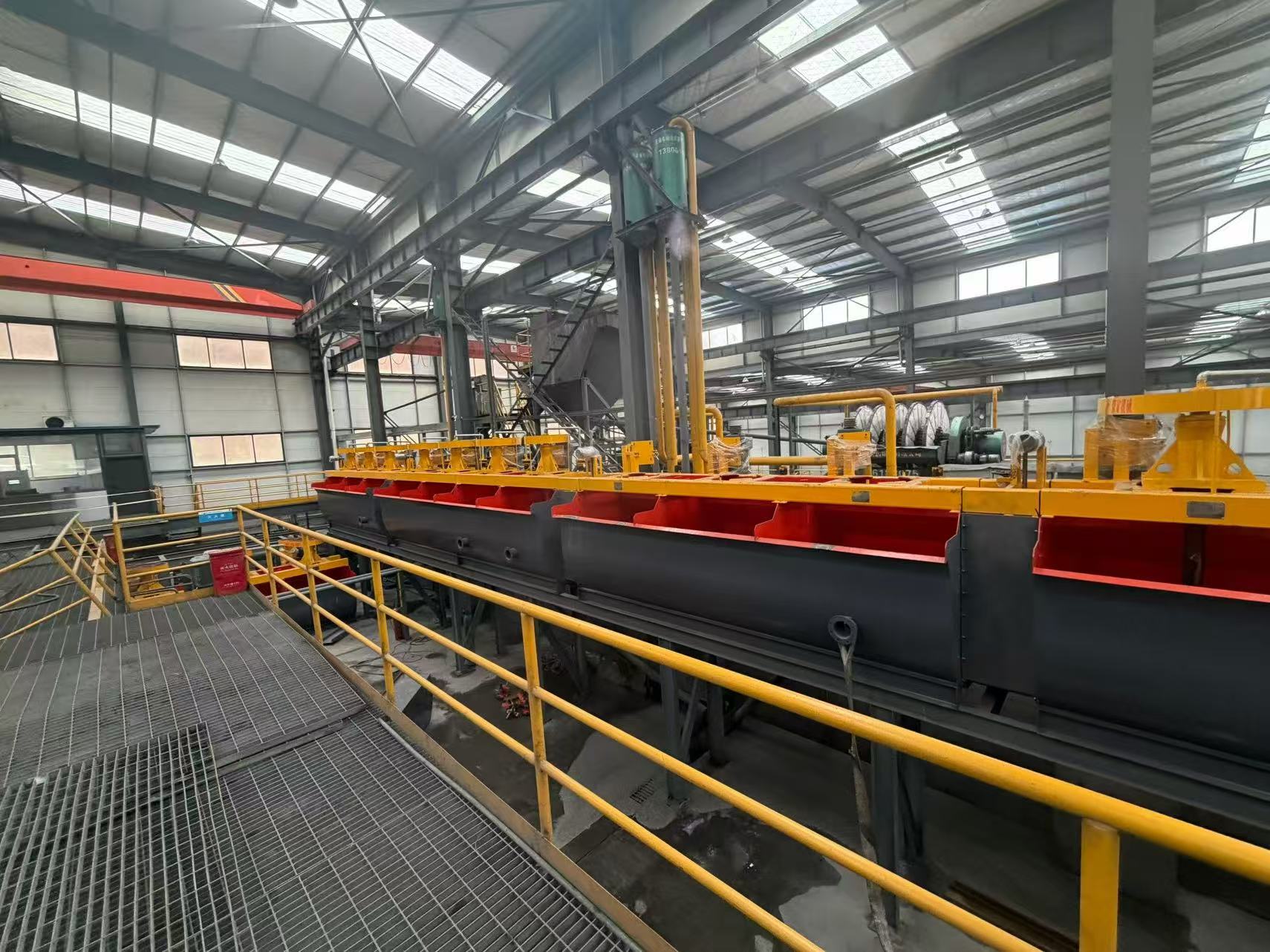
Applications:Flotation machine is widely applied in the separation of ferrous minerals such as iron, non-ferrous metals including copper and gold, as well as no...
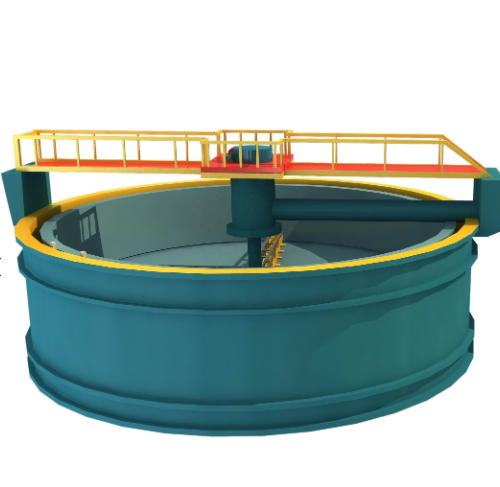
NZ (S) type (also called TNZ type) centre drive concentrator is earlier traditional concentrated equipments, machines diameter less than 12m work in manual cond...
What is copper cobalt ore ?
Copper cobalt ore is an important strategic mineral resource, and cobalt, as a key raw material for lithium batteries, high-temperature alloys, and hard alloys, is becoming increasingly important. However, cobalt rarely mineralizes alone and often occurs in copper deposits (especially sulfide and oxide copper deposits) in the form of isomorphism, or forms independent cobalt minerals. Therefore, the beneficiation of copper cobalt ore is essentially a comprehensive recovery process of copper and cobalt, and its method highly depends on the properties of the ore (sulfide ore, oxide ore or mixed ore), mineral symbiosis, and the form of cobalt. Modern mineral processing technology is usually a complex system that includes pretreatment, sorting, enrichment, and metallurgy. This article will systematically explain the current mainstream copper cobalt ore beneficiation methods and their applications.
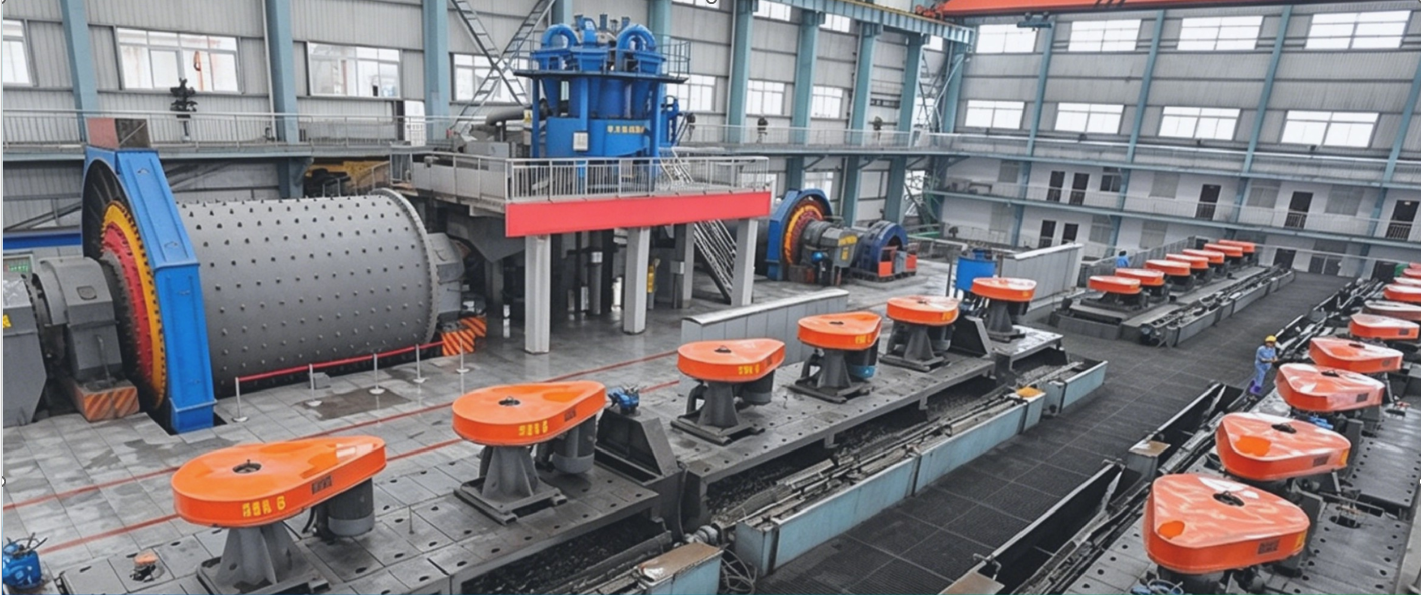
1、 Core sorting process of copper cobalt ore: the dominant position of flotation method
For copper cobalt ores mainly composed of sulfide ores, flotation is the most core and cost-effective beneficiation method. The goal is to enrich copper minerals and cobalt minerals together or separately into concentrate, and separate them from gangue. According to the differences in mineral floatability, there are mainly the following strategies:
Mixed flotation separation flotation process:
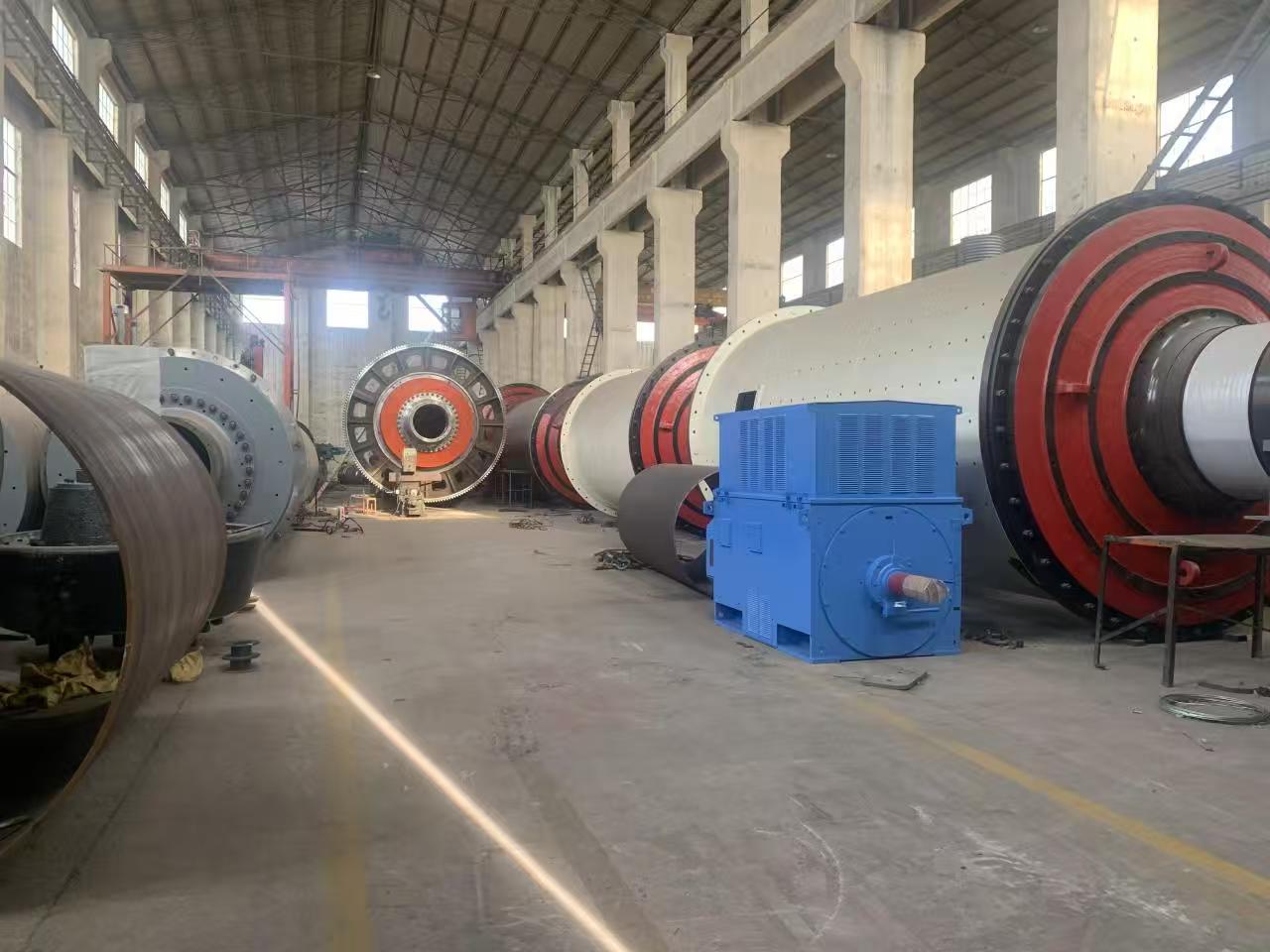
This is a classic process for dealing with sulfide ores with close copper cobalt symbiotic relationships, such as some deposits in the Democratic Republic of Congo. Firstly, using reagents with good capture ability for both copper and cobalt sulfides (such as yellow medicine), copper cobalt sulfides are floated out together under coarse grinding fineness and neutral to weakly alkaline conditions to obtain a copper cobalt mixed concentrate. Then, the mixed concentrate is further ground by adding efficient cobalt inhibitors (such as a combination of lime and sodium cyanide, sulfites, organic inhibitors, etc.) to suppress cobalt minerals (such as cobaltite and cobaltite) under strong alkaline conditions, and preferentially flotation copper minerals (such as chalcopyrite), ultimately obtaining copper concentrate and cobalt concentrate respectively. The advantage of this process is that it can discard a large amount of tailings early and reduce the amount of subsequent processing, but it requires extremely high selection and dosage control of inhibitors.
Priority flotation process:
When the floatability of copper minerals is significantly better than that of cobalt minerals, and the coexistence between the two is not very close, it is used. The process first involves flotation of copper minerals, followed by flotation of cobalt minerals from the tailings. In the floating copper stage, it is necessary to add agents that have a strong inhibitory effect on cobalt minerals to ensure that cobalt is not carried into the copper concentrate and causes losses. The key to this process lies in the application of efficient and highly selective copper collectors and cobalt inhibitors to maximize the recovery rate of cobalt in tailings and create conditions for subsequent cobalt flotation.
Partial Priority - Mixed Flotation Process:
A compromise solution. Firstly, rough selection of copper is carried out to obtain partially qualified copper concentrate, but the tailings or rough selection tailings are then subjected to copper cobalt mixed flotation, and the resulting mixed concentrate enters the separation flotation circuit. This process is highly flexible and suitable for ore bodies with complex and variable properties.
Key technical points of flotation process:
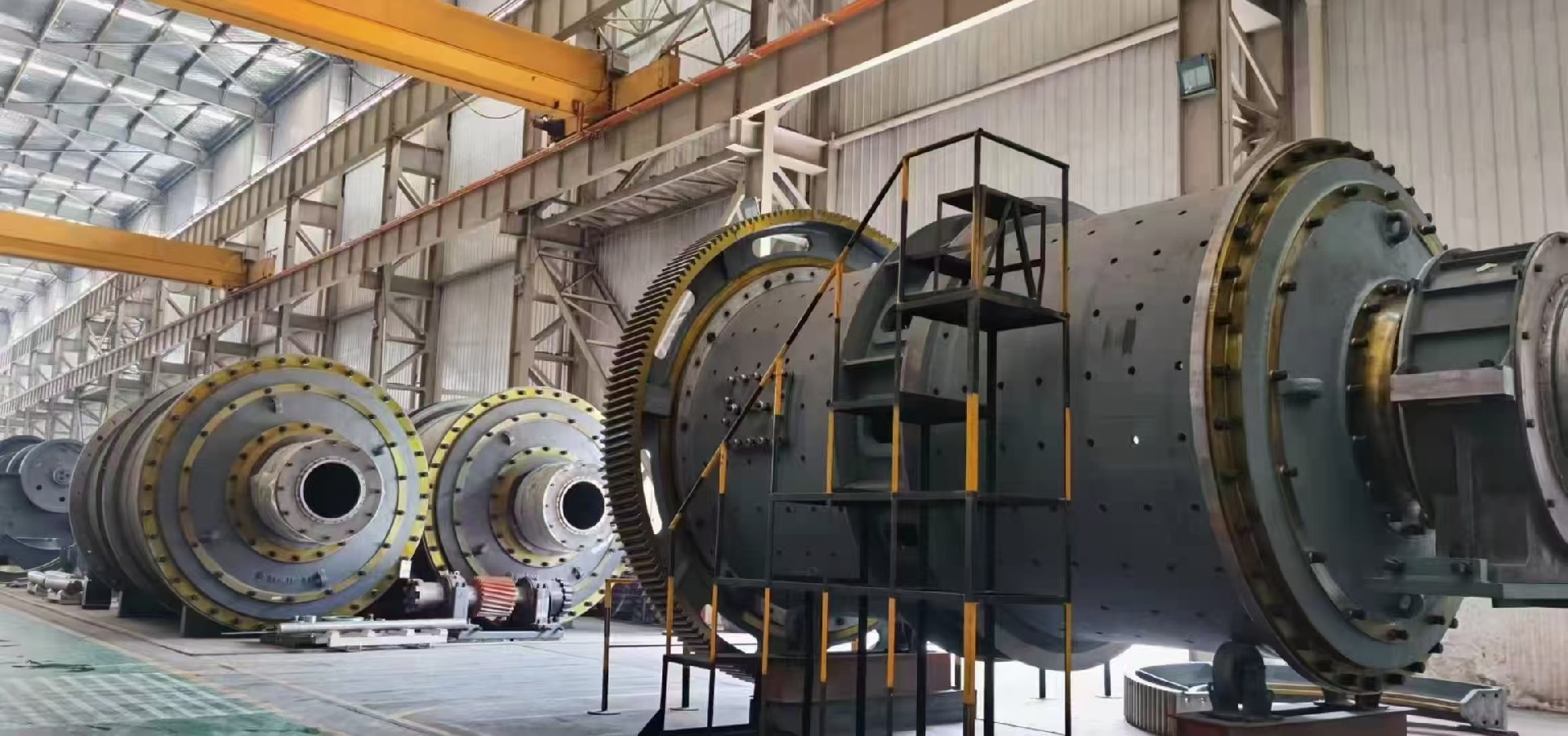
Grinding fineness: It is necessary to achieve sufficient monomer dissociation of copper cobalt sulfide, but at the same time avoid over grinding and mud formation.
The pH value of the slurry is the key to controlling the surface properties of minerals and the action of reagents. Floating copper is often neutral or weakly alkaline, while inhibiting cobalt is often strongly alkaline (pH>11).
Pharmaceutical system: This is the soul of flotation separation. In addition to conventional collectors (yellow medicine, black medicine, sulfur and nitrogen) and foaming agents (MIBC, pine oil), the application of high-efficiency adjusters is crucial:
Activation agent: For cobalt minerals that are oxidized or difficult to float, copper sulfate (CuSO4) is commonly used for activation.
Inhibitors: Inorganic inhibitors such as lime (inhibiting pyrite and cobalt minerals), cyanide (highly toxic and strictly restricted in use), sodium bisulfite/sodium thiosulfate, as well as organic inhibitors such as starch, dextrin, and carboxymethyl cellulose (CMC).
Process configuration: "Stage grinding and stage separation" are commonly used to optimize dissociation and prevent over grinding, and selection and scanning operations are equipped to improve grade and recovery rate.
In the gold recycling industry, activated carbon adsorption is a crucial step in
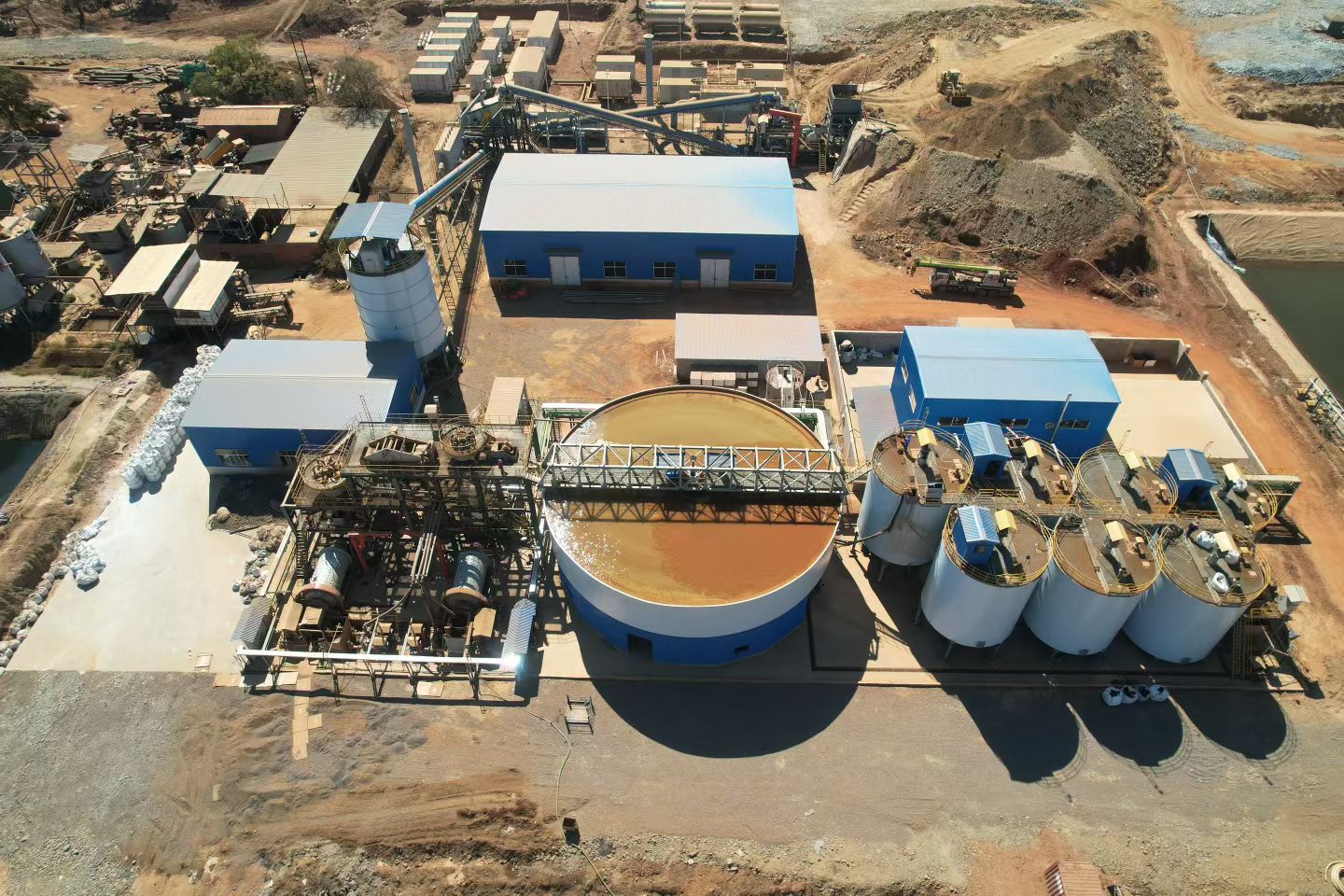
Whether gold mines use reselection, flotation, or cyanide is essentially determi
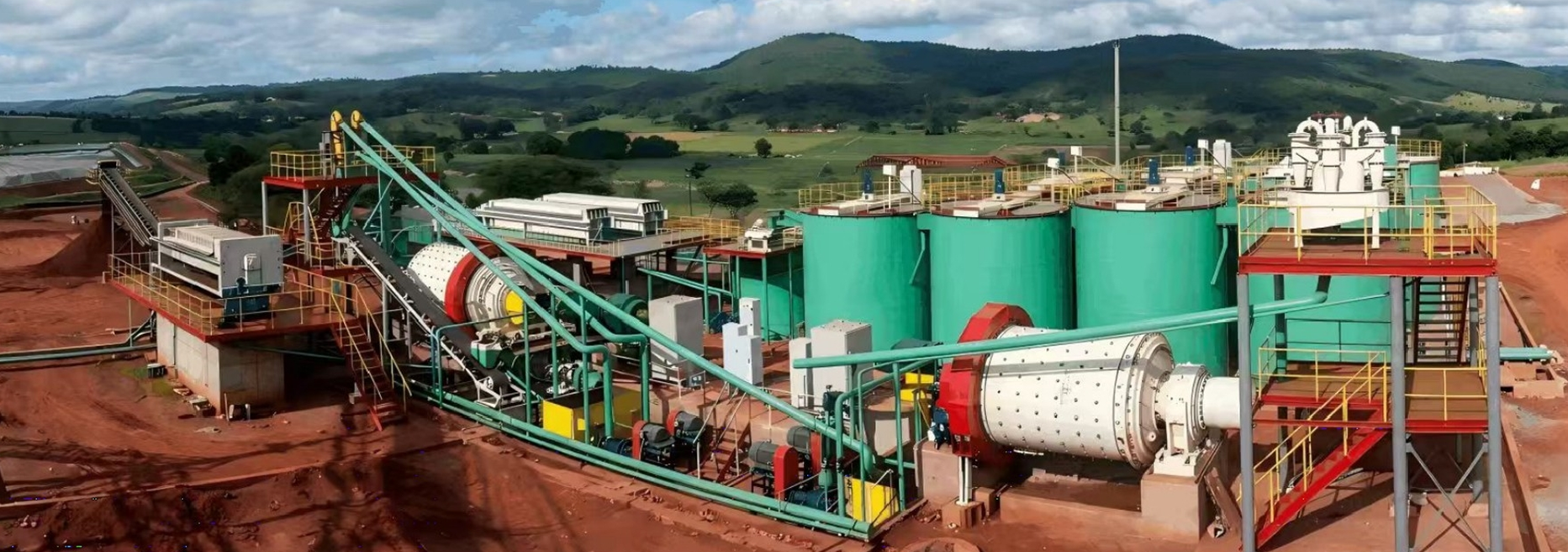
The leachability of rock gold (vein gold) ores varies greatly. Similarly, for cy
 +86-19139706301
 +86-19139706301