|
Feeding Size
|
|
|
The Discharging Size
|
|
|
Processing Capacity
|
100-1500 tpd |
|
Applied Material
|
|
|
Details Overview
|
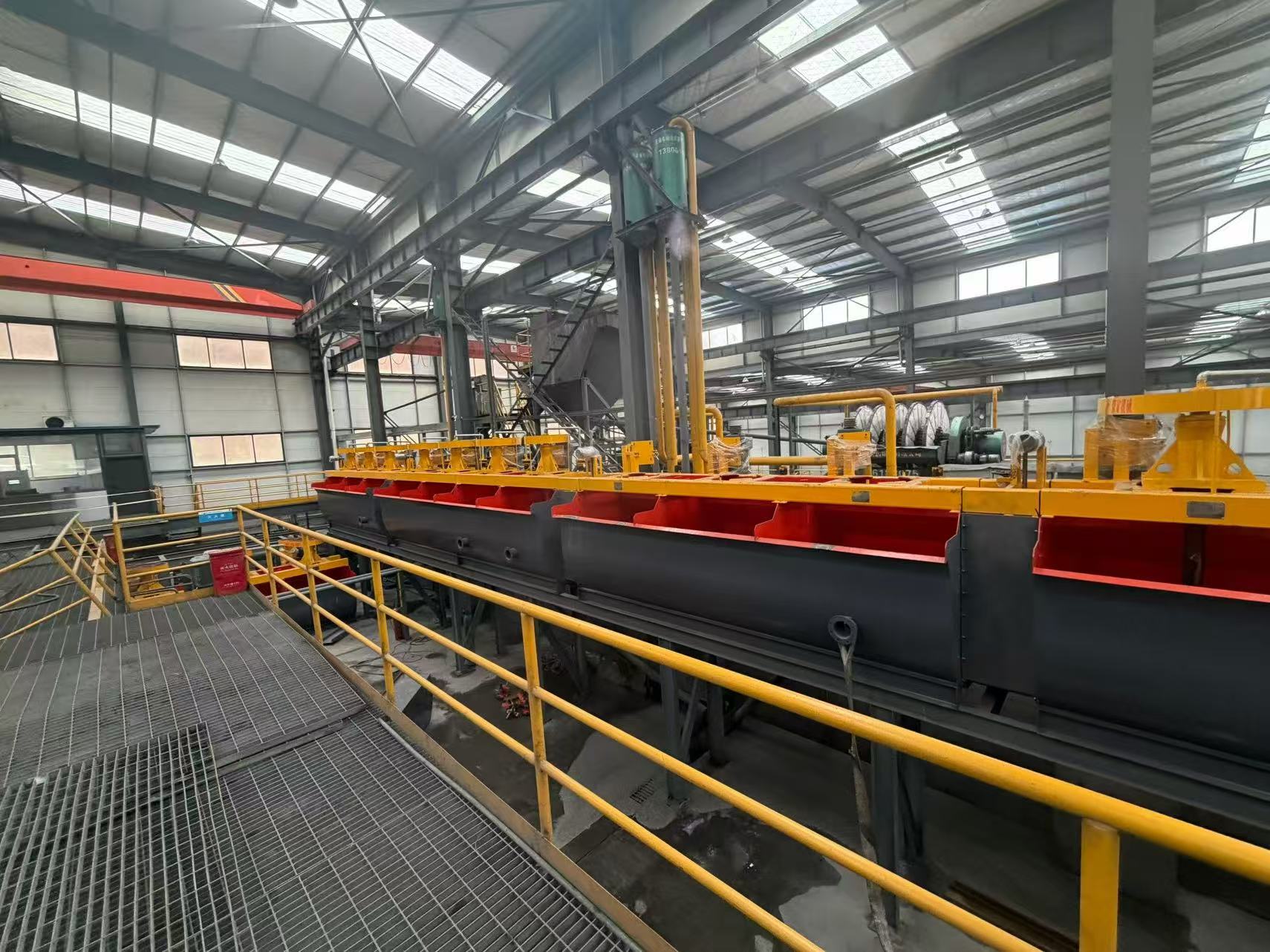
Applications:Flotation machine is widely applied in the separation of ferrous minerals such as iron, non-ferrous metals including copper and gold, as well as no...
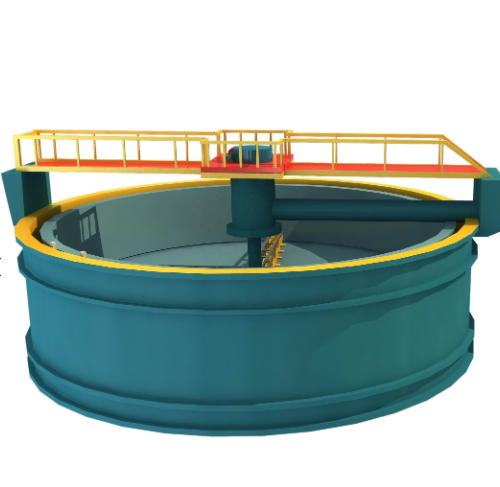
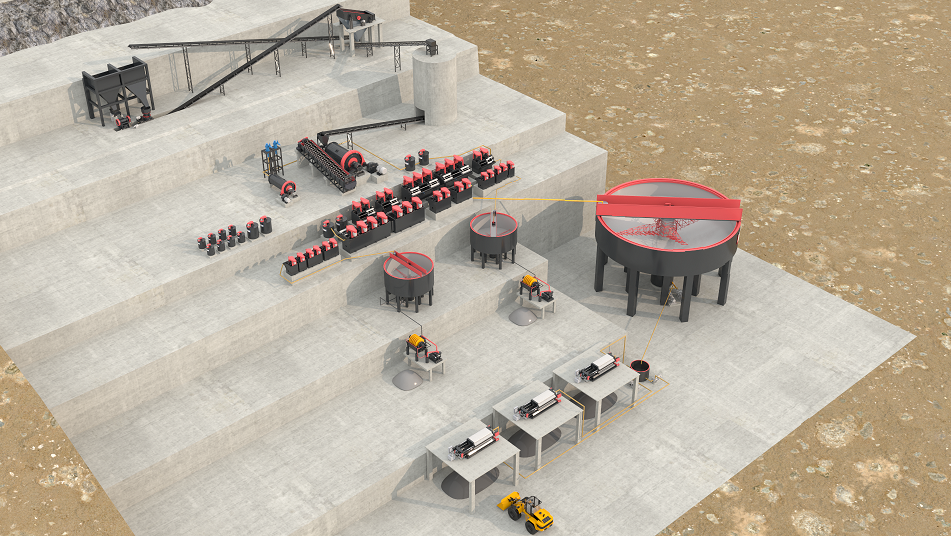
NZ (S) type (also called TNZ type) centre drive concentrator is earlier traditional concentrated equipments, machines diameter less than 12m work in manual cond...
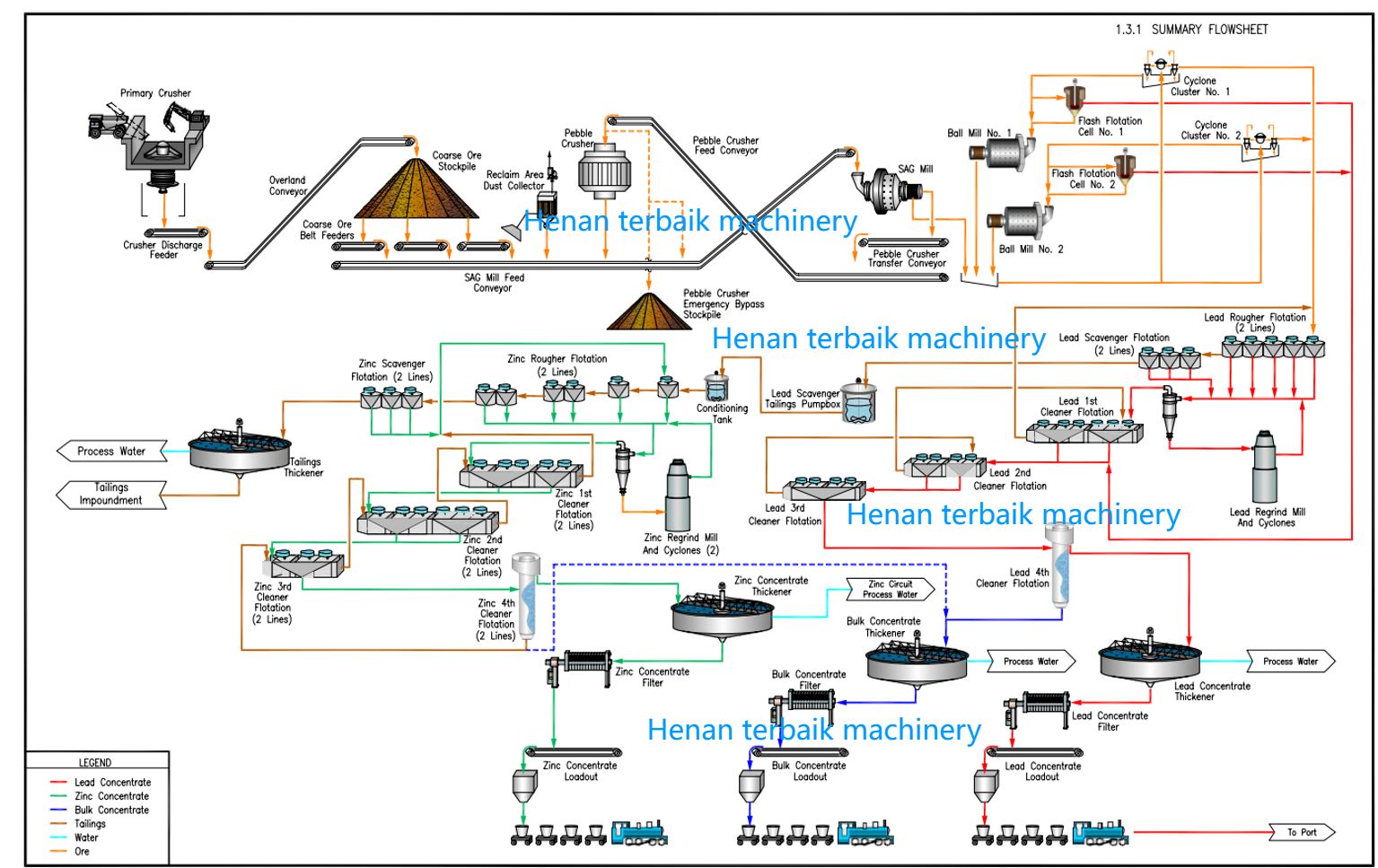
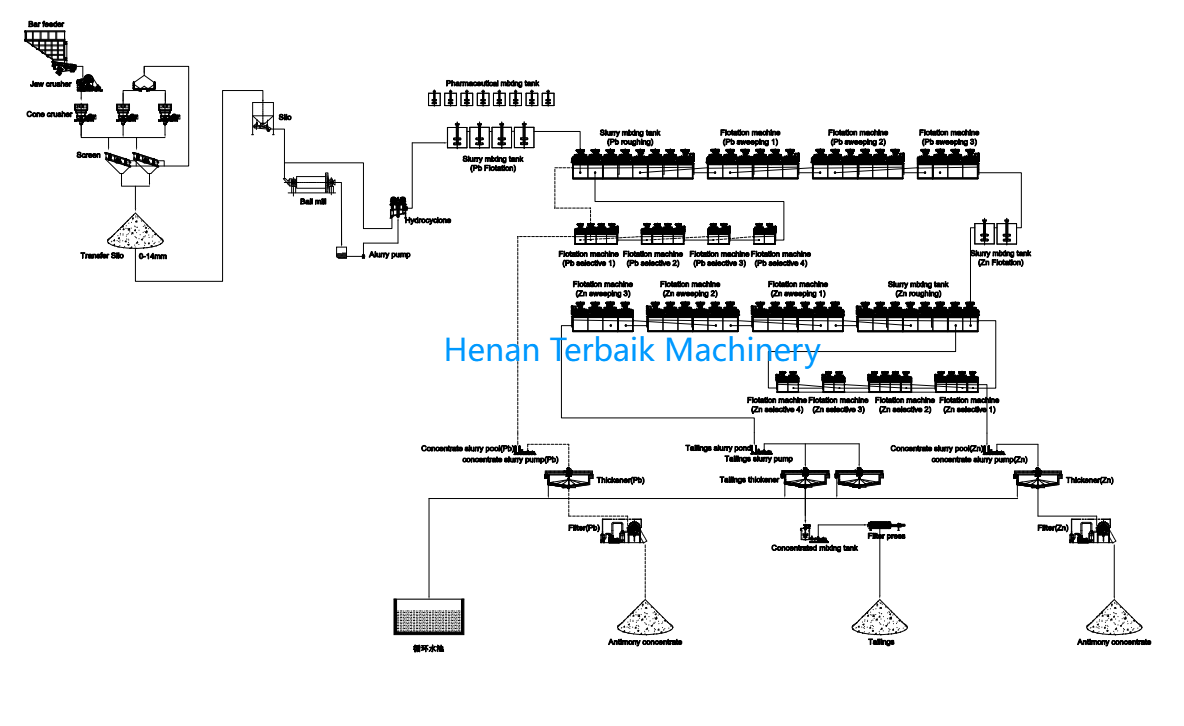
Lead-zinc ore beneficiation
1. Priority flotation method
Process Overview: This method primarily employs a strategy of depressing zinc and floating lead first, followed by zinc activation. The ore is ground to an appropriate particle size, then lead is floated using strong collectors and high alkalinity conditions while suppressing zinc flotation. Subsequently, the tailings are activated with agents such as copper sulfate, followed by zinc flotation.
Applicable Conditions: This method is suitable for lead-zinc ores with simple composition, high lead and zinc grades in the raw ore, significant differences in the floatability of lead and zinc minerals, and relatively coarse disseminated particle sizes.
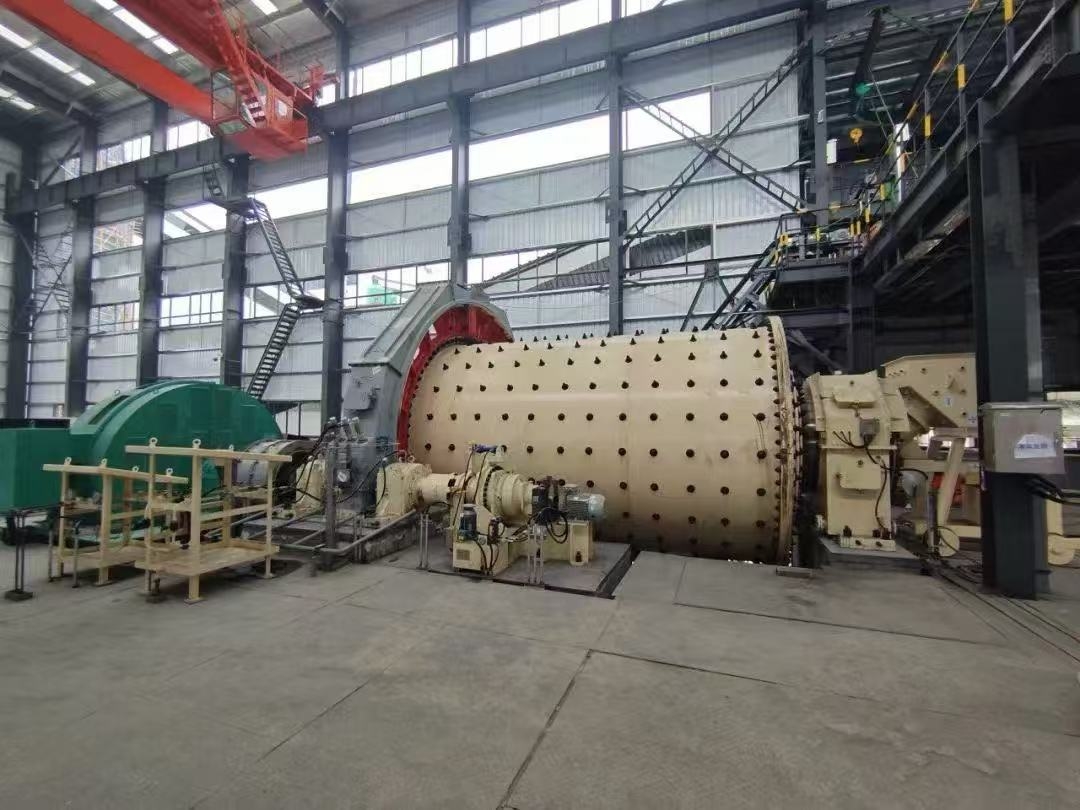
2. Mixed Flotation Method
Process Overview: This method first simultaneously flotation concentrates lead sulfide ore and part of the zinc sulfide ore to form a lead-zinc mixed concentrate, followed by the separation of lead and zinc. During the flotation process, xanthate or dithiophosphate is typically used as the collector.
Applicable conditions: This method is suitable for lead-zinc ores with minimal differences in floatability, low grades, and useful minerals occurring as aggregates or closely associated in dense symbiosis.
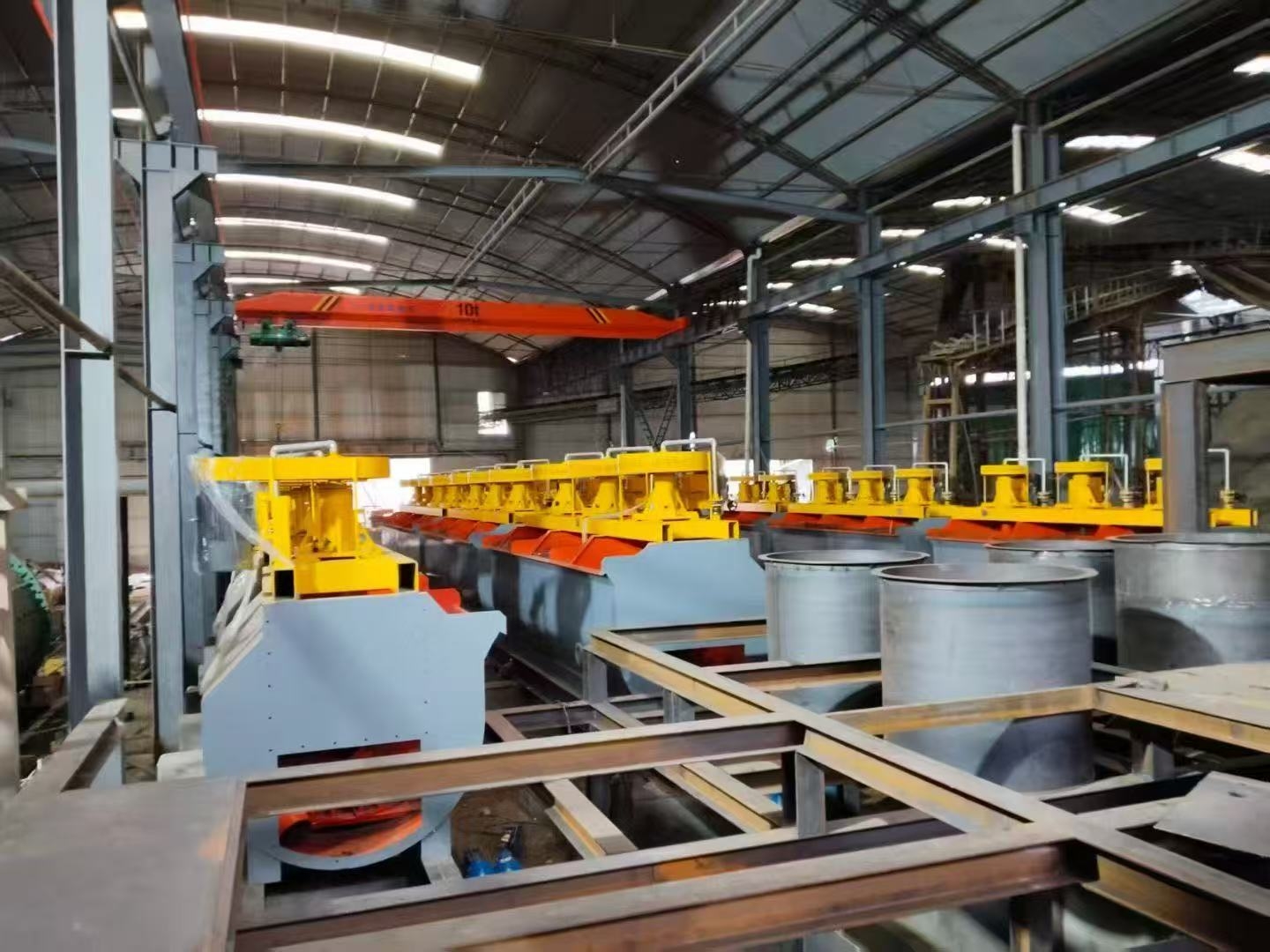
3. Equi-floatation method
Process Overview: This method involves initially separating lead-zinc sulfides with similar floatability, followed by lead-zinc separation. No inhibitors are required during the rough selection stage. Through regrinding and subsequent flotation processes, lead-zinc separation is achieved.
Applicable conditions: Primarily used for processing lead-zinc ores containing both easily floatable and difficult-to-float components.
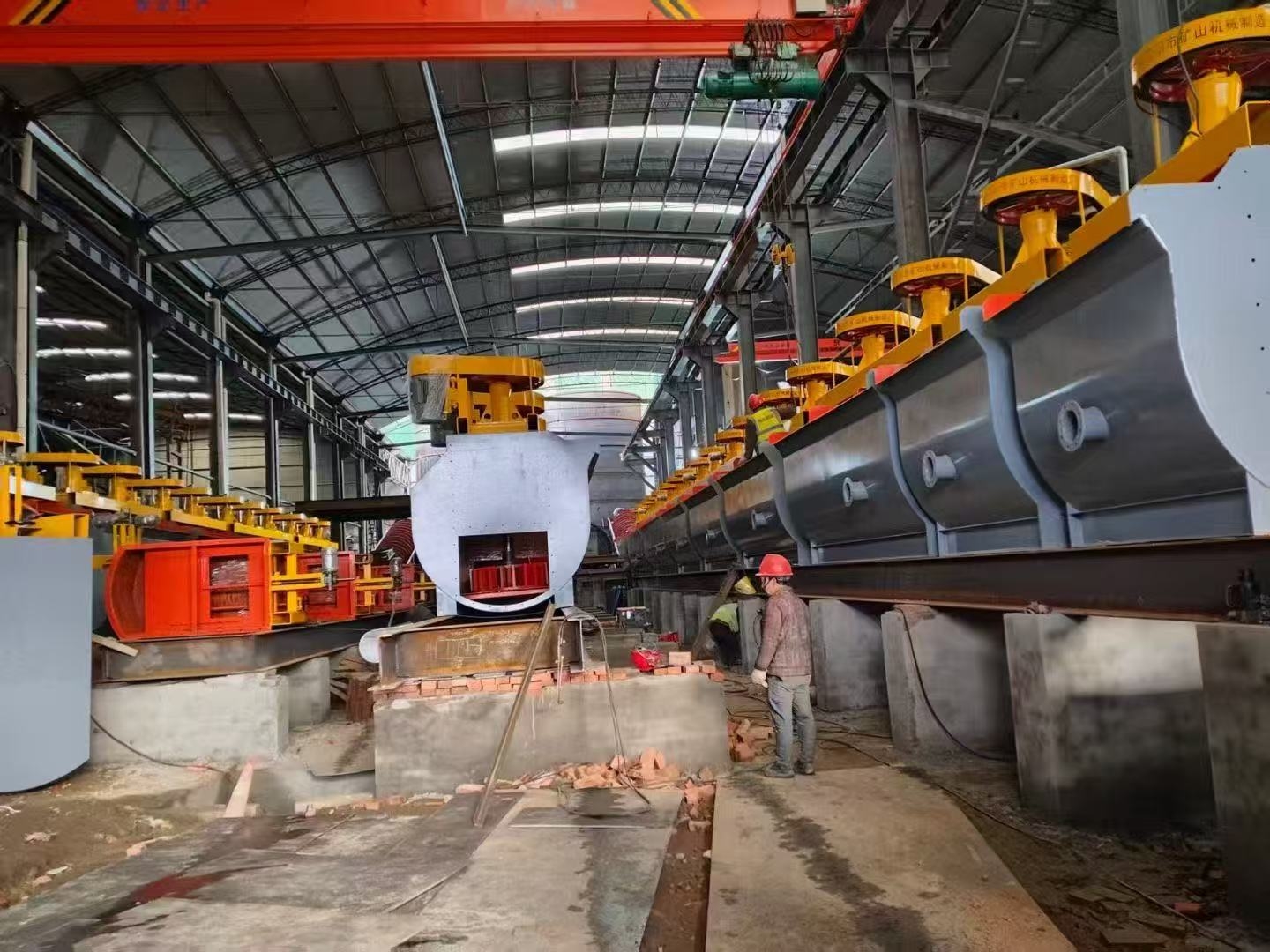
4. Asynchronous Flotation Method
Process Overview: Unlike conventional flotation methods, asynchrofloatation allows zinc and sulfur with comparable floatability to rise simultaneously. This technique achieves concurrent flotation of lead and zinc by creating tailored flotation conditions for each mineral in separate operations.
Applicable conditions: Suitable for processing finely disseminated lead-zinc ores.
5. Potential Regulation Flotation Method
This method is suitable for the separation of low-grade lead-zinc sulfide ores by adjusting the potential of the pulp, optimizing flotation conditions, and improving separation efficiency.
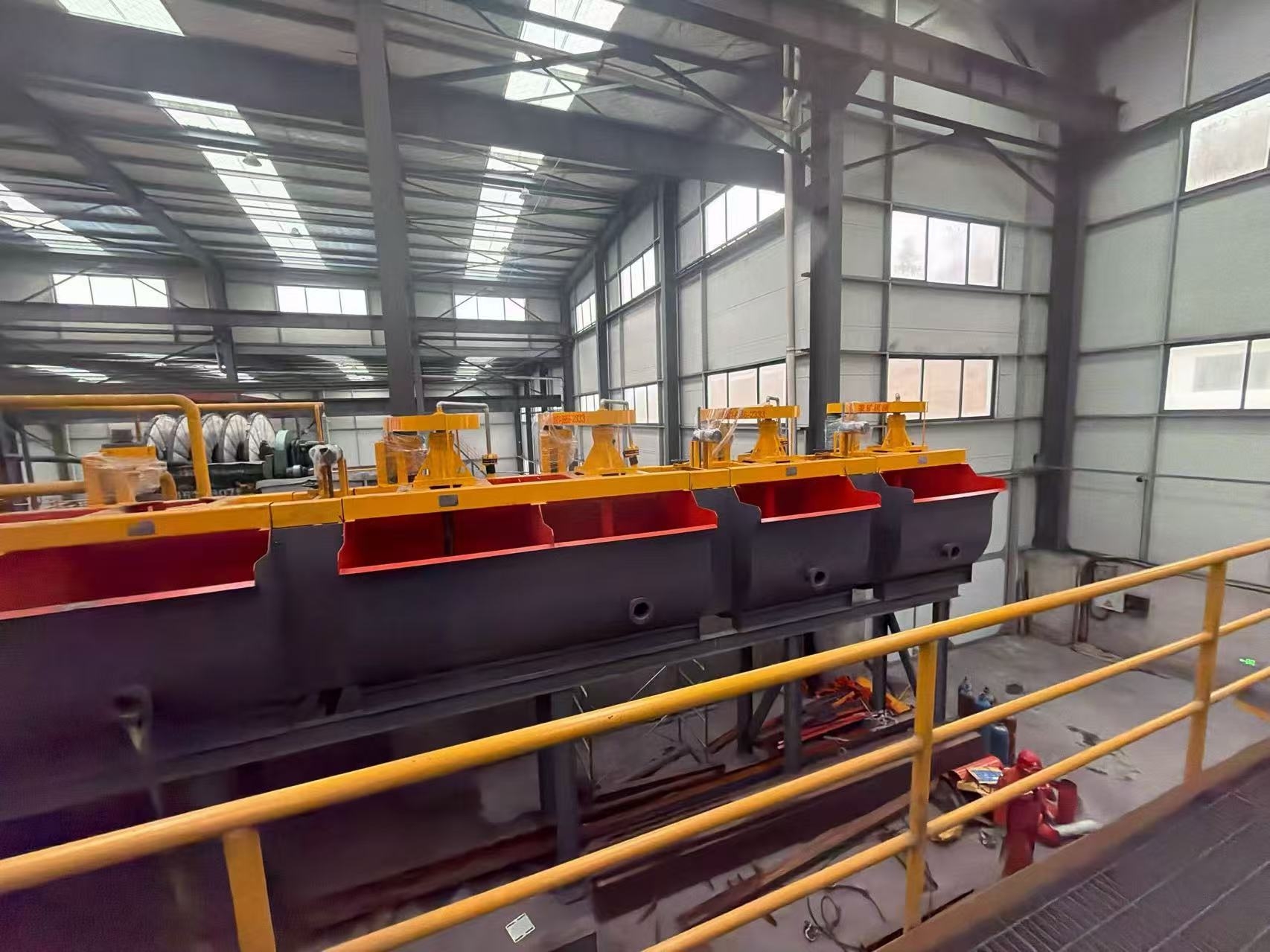
II. Froth Flotation Method for Lead-Zinc Ore
1. Sulfidization-Xanthate Flotation Method
After sulfidation of zinc oxide minerals with sodium sulfide, copper sulfate is added as an activator, and advanced xanthate collectors are used for flotation.
2. Xanthation-Froth Flotation Method
Similarly, the zinc oxide mineral is first sulfided, but flotation is performed using fatty amine collectors. This method is suitable for processing zinc oxide ores containing easily muddable gangue. Characteristics: Although the process is complex, it can effectively float lead-zinc oxide ores under certain conditions.
3. Sulfur flotation method
The lead-zinc oxide ore is subjected to sulfurization treatment using sulfur powder, followed by flotation after the formation of a sulfide film. However, this method can only be implemented under high-temperature and high-pressure conditions, resulting in limited practical application.
4. Flocculation flotation method
Strong agitation is applied to fine-grained minerals with hydrophobic properties when high-molecular-weight compounds are added, followed by flotation with collectors. However, this method has not been practically implemented due to the significant challenges in developing high-molecular-weight flocculants and their high cost.
5. Gravity-Floatation Combined Separation Method
Given the unique properties of the ore, gravity separation (such as gravity pre-tailing) is combined with flotation to comprehensively recover valuable minerals. This method is suitable for ores where the density difference between metallic and gangue minerals is significant or where the minerals possess magnetic properties.
Translate directly and output the translation without explanation, ensuring semantic coherence.
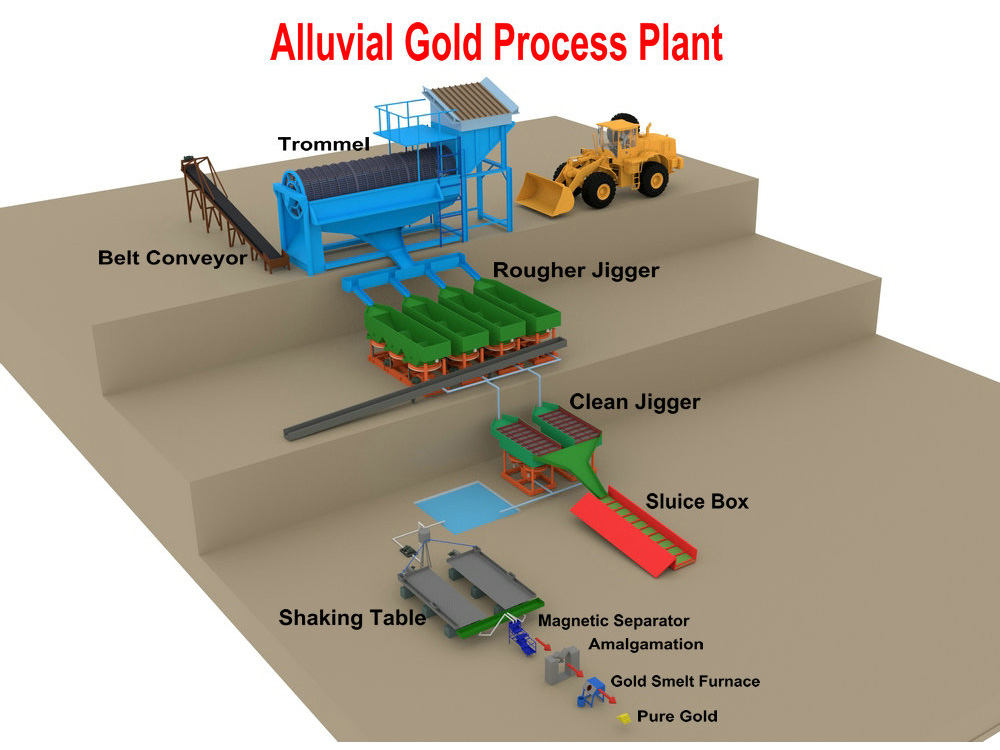
In the gold recycling industry, activated carbon adsorption is a crucial step in
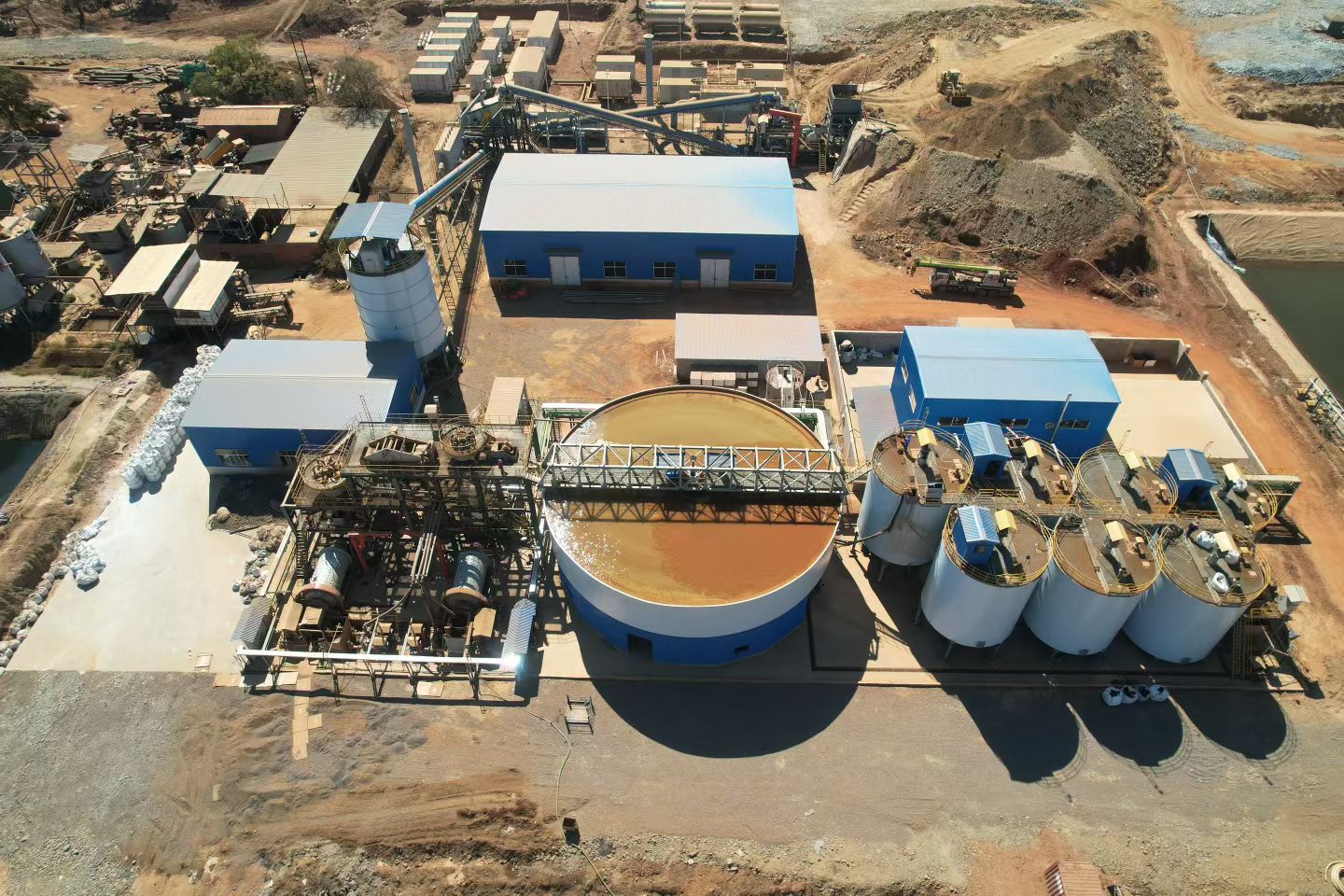
Whether gold mines use reselection, flotation, or cyanide is essentially determi
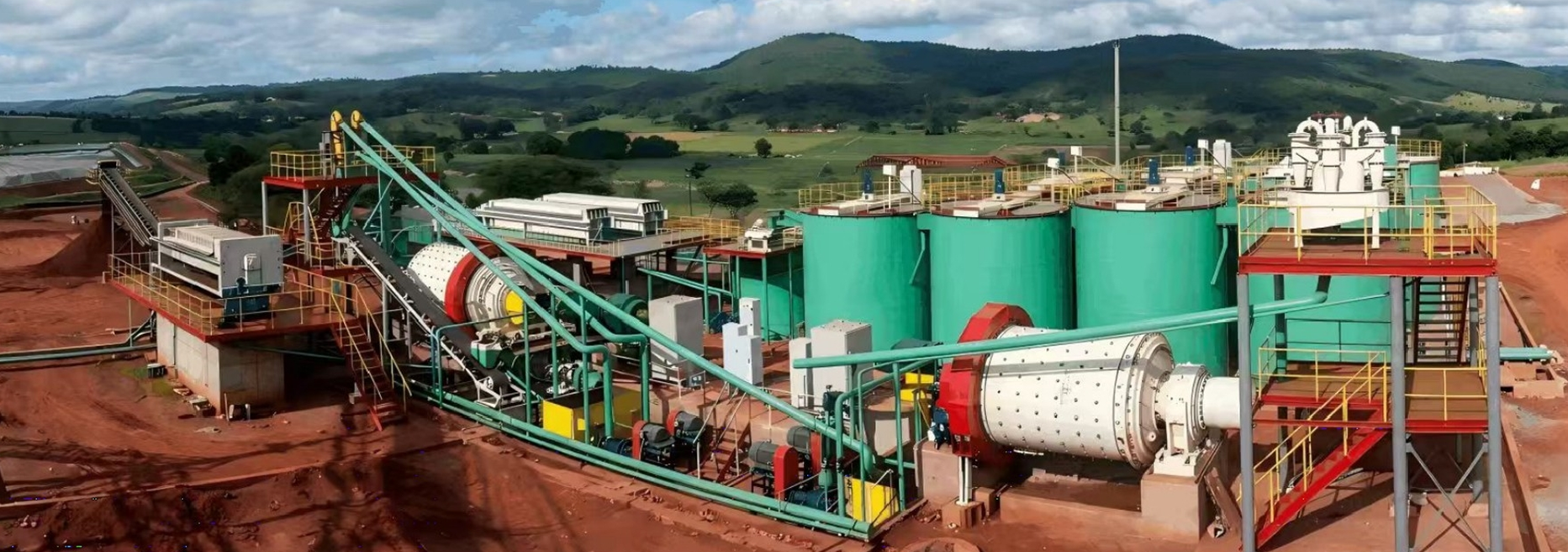
The leachability of rock gold (vein gold) ores varies greatly. Similarly, for cy
 +86-19139706301
 +86-19139706301