|
Feeding Size
|
|
|
The Discharging Size
|
|
|
Processing Capacity
|
100-1500 tpd |
|
Applied Material
|
Copper Processing Plant |
|
Details Overview
|
Copper ore flotation is an efficient mineral processing method |
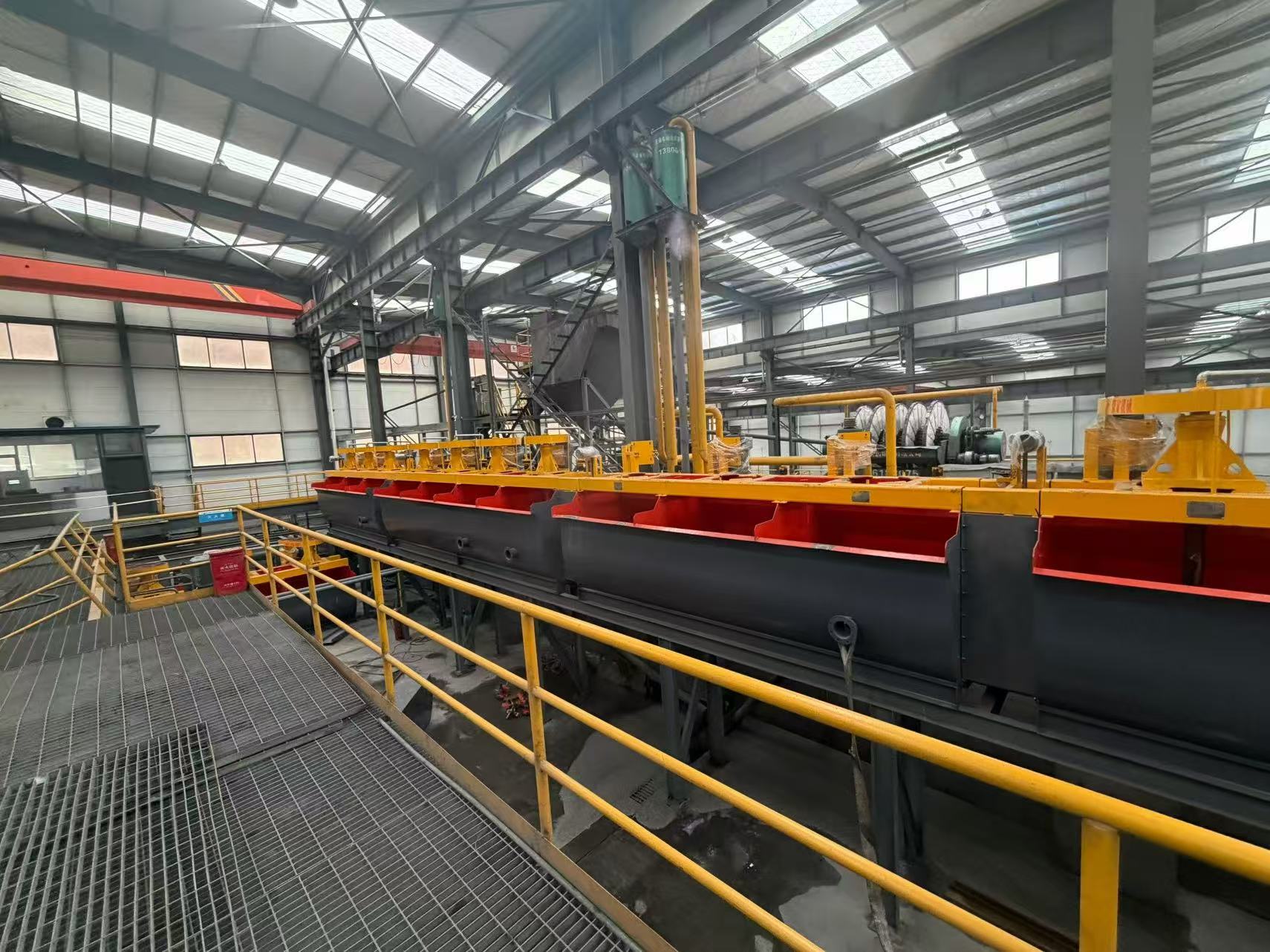
Applications:Flotation machine is widely applied in the separation of ferrous minerals such as iron, non-ferrous metals including copper and gold, as well as no...
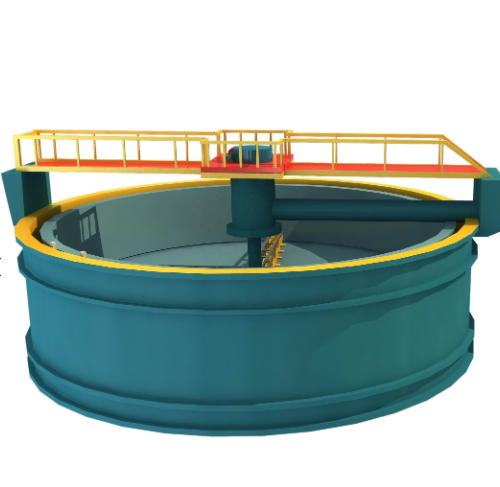
NZ (S) type (also called TNZ type) centre drive concentrator is earlier traditional concentrated equipments, machines diameter less than 12m work in manual cond...
Principle of flotation
Copper ore flotation is based on the differences in hydrophobicity and hydrophilicity of the mineral surface.By adding flotation agents, such as collectors, foaming agents and adjusting agents, the hydrophobicity of copper ore is enhanced, so that it attaches to the air bubbles and floats to the surface of the slurry to form a foam layer, thereby achieving separation from gangue.
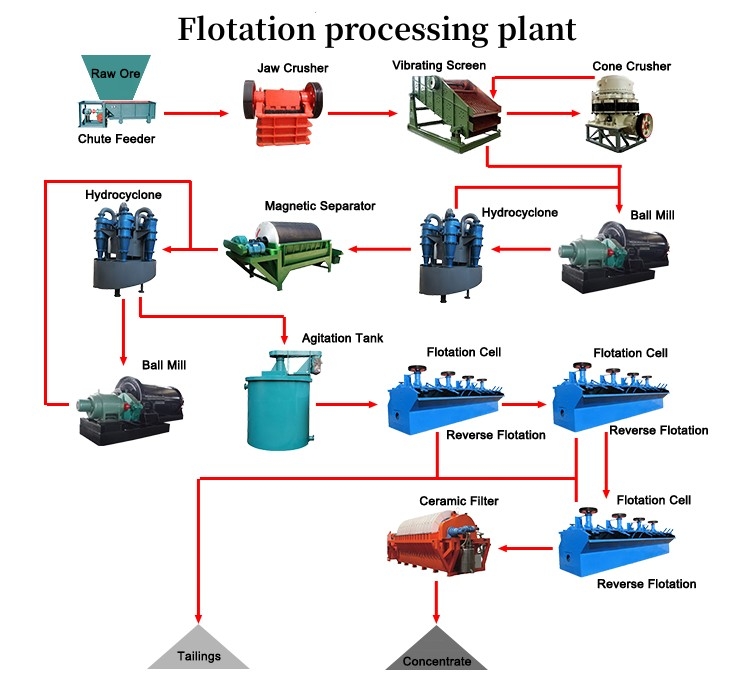
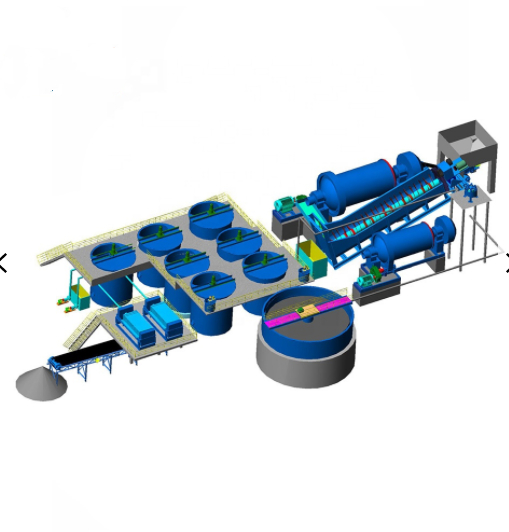
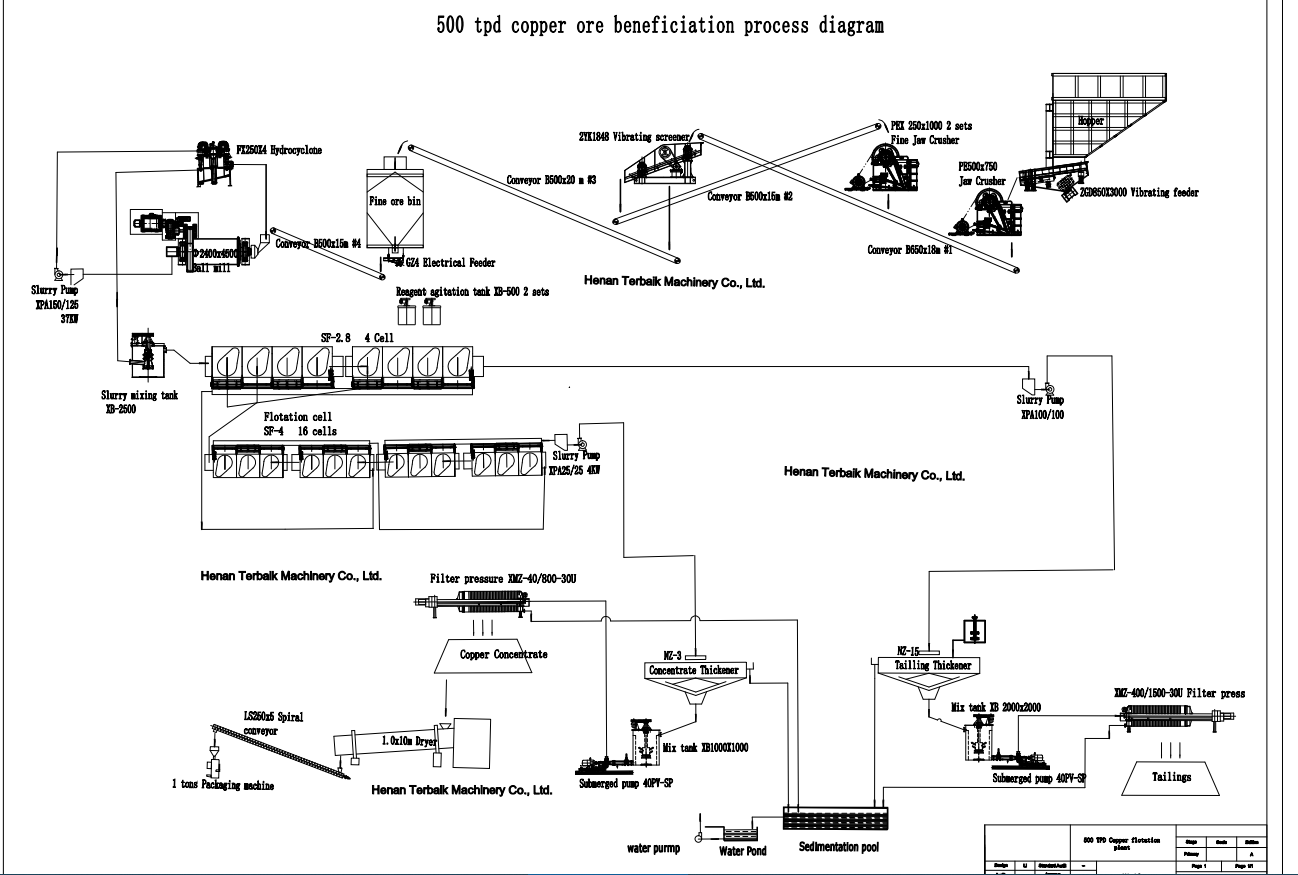
1. Crushing and screening, controlling feed particle size
After mining, the raw ore exhibits uneven particle sizes and interlocking of minerals with impurities, making it unsuitable for direct flotation processing. The ore is first crushed through multi-stage crushing equipment and graded by screening devices, with qualified-sized ore sent to the next stage while unqualified material is returned for re-crushing. A uniform and stable feed particle size can reduce the load on subsequent grinding operations and ensure effective individual liberation in later stages.
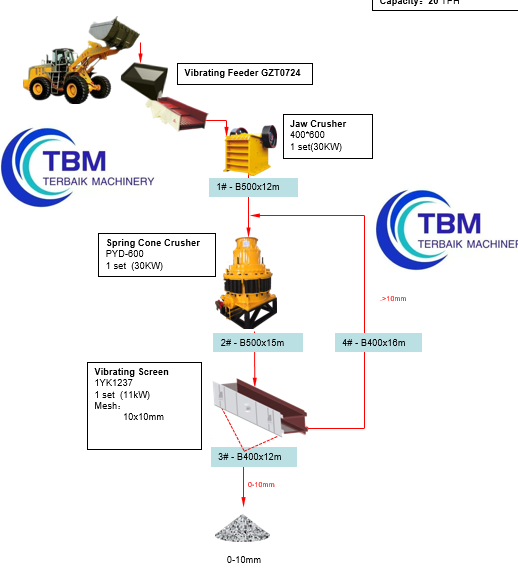
2. Grinding and classification to achieve mineral liberation
The crushed ore is fed into the grinding equipment to be pulverized into fine slurry, ensuring the complete monomer dissociation of copper minerals enclosed within the gangue. The ground slurry is then sent to the classification equipment for screening treatment. Slurry meeting the required particle size standards proceeds to the flotation process, while coarser material is returned to the mill for further grinding. This step serves as the foundation of the flotation operation, directly determining whether the copper minerals can be fully separated.
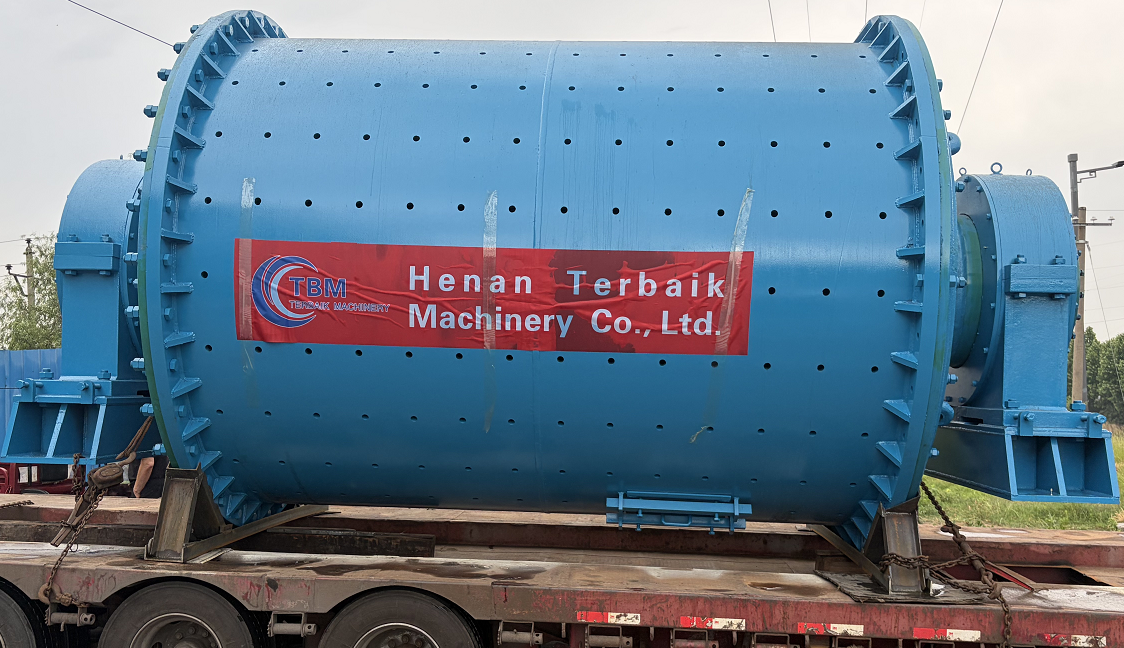
3. Adjusting the pulp and adding reagents to create flotation conditions
The qualified slurry enters the mixing equipment for adjustment, where various specialized flotation reagents are sequentially added based on the characteristics of the copper ore. Through thorough stirring, the reagents are evenly attached to the mineral particles' surfaces, altering the hydrophilic and hydrophobic properties of copper minerals and gangue. This enables the copper minerals to meet the conditions for flotation while inhibiting the flotation of impurity minerals, laying a solid foundation for precise separation.
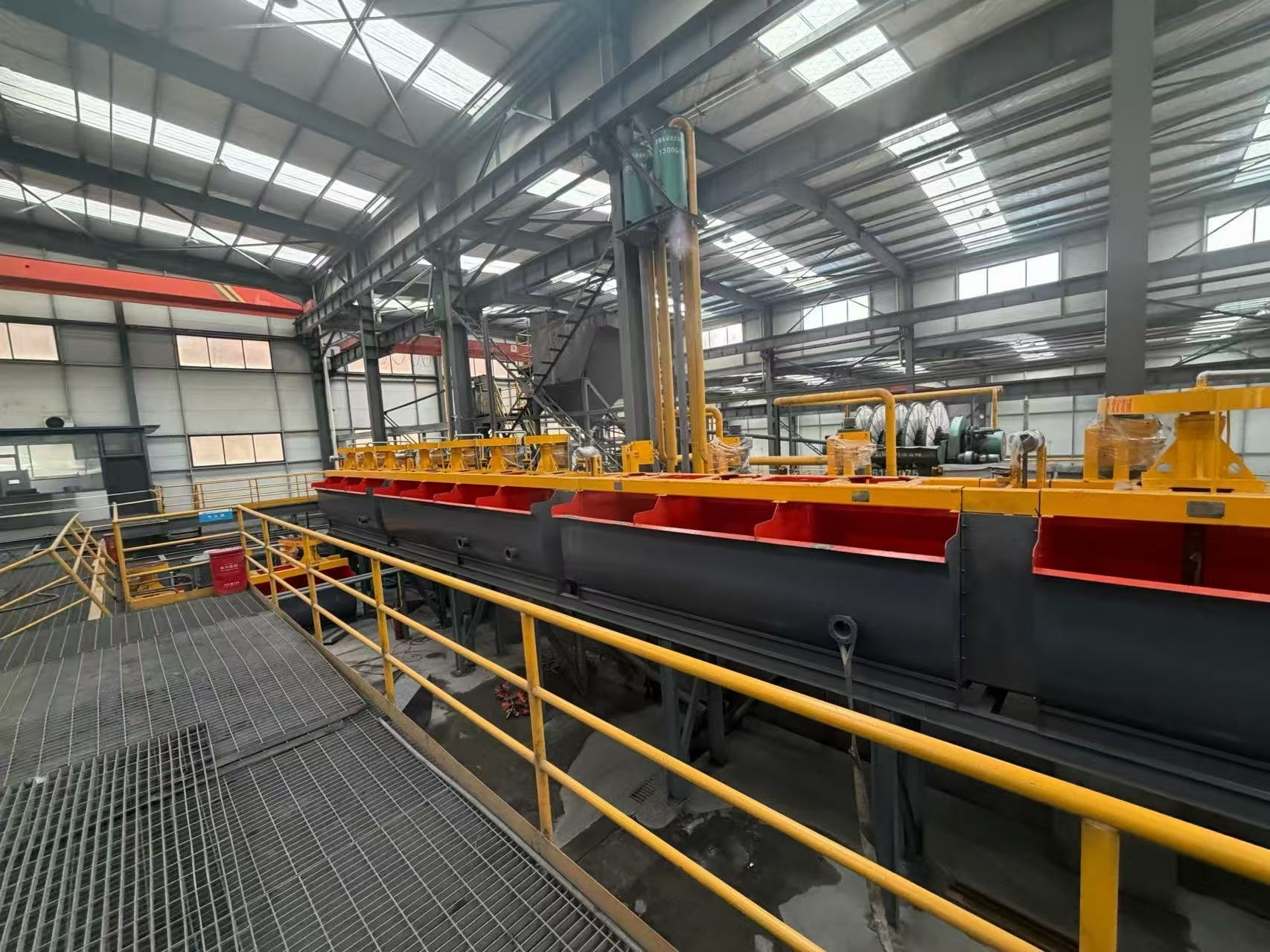
4. Rough Selection Operation, Preliminary Enrichment of Copper Minerals
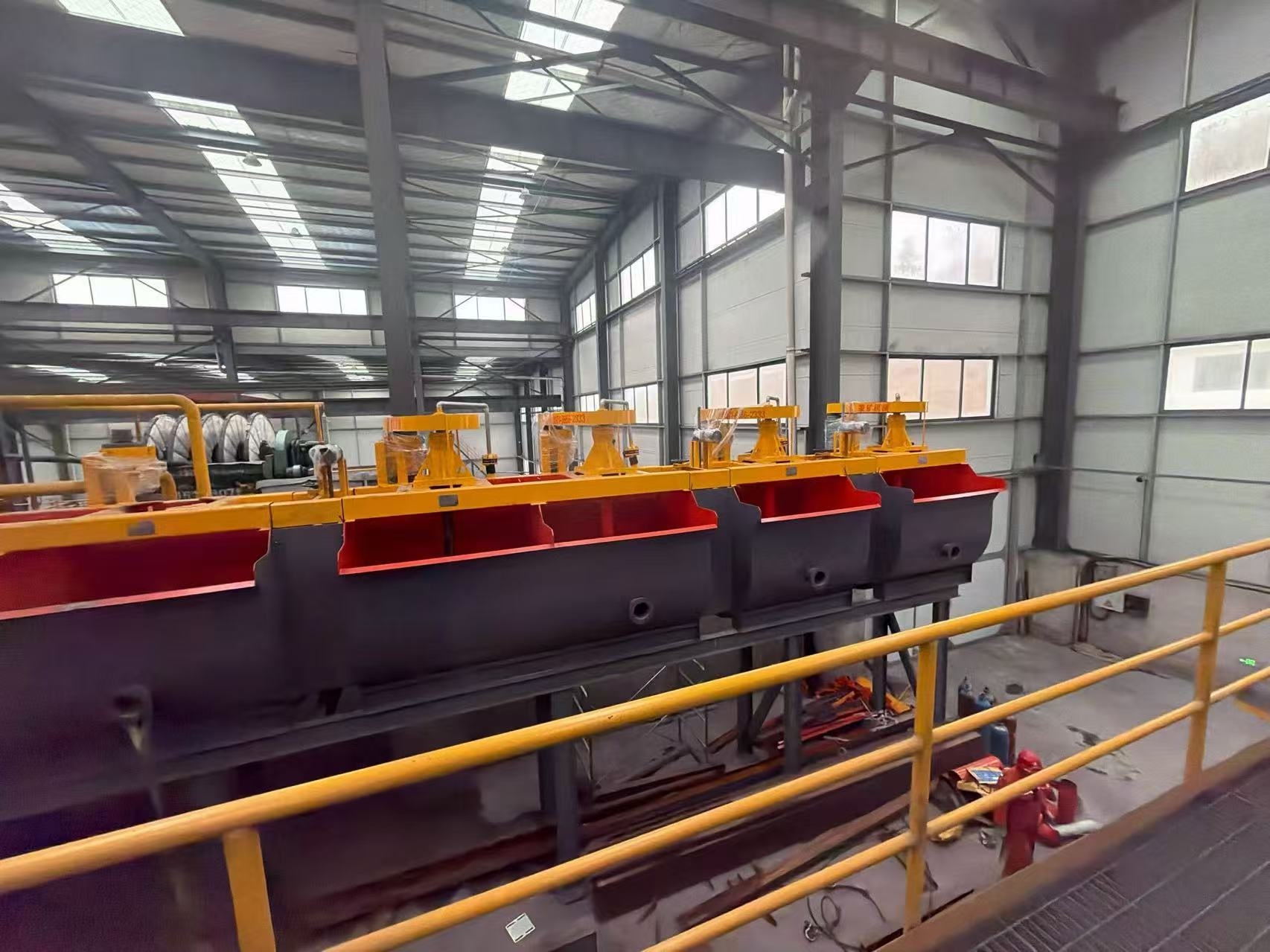
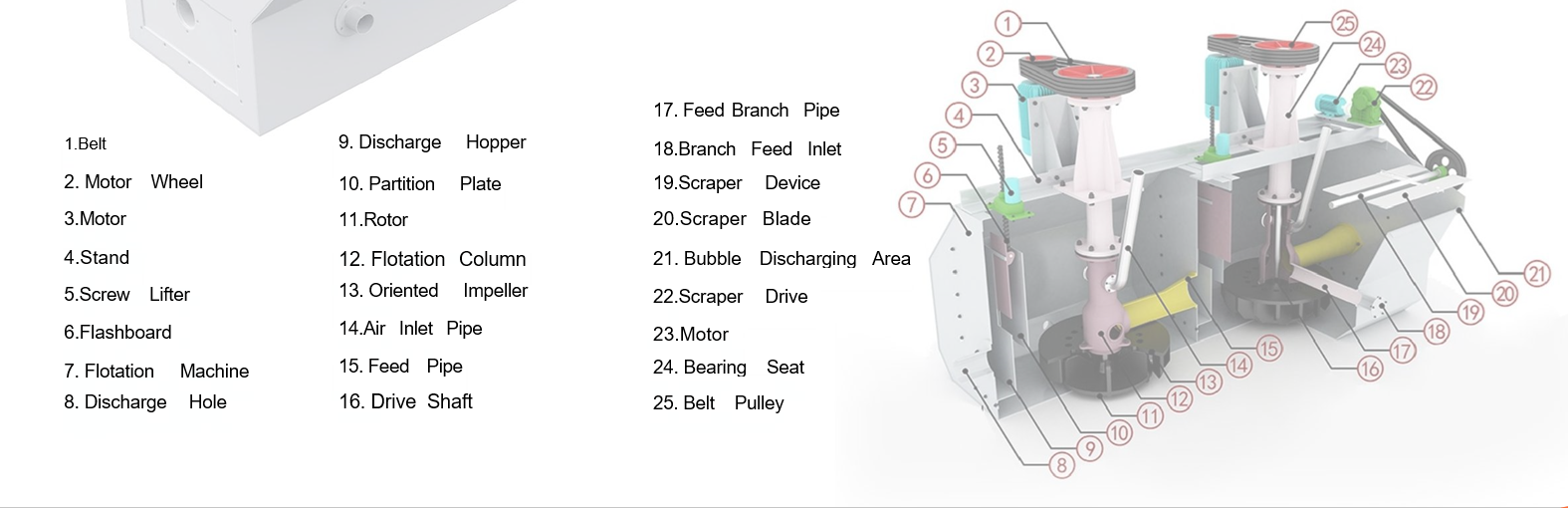
The adjusted slurry is fed into the flotation machine for roughing operations. The equipment generates a large number of fine bubbles through aeration and stirring. The modified copper mineral particles adhere to the bubble surfaces and float upward, forming a foam concentrate, while the remaining gangue impurities at the bottom are preliminarily separated as tailings. Roughing can rapidly achieve the basic enrichment of copper minerals and significantly remove most useless impurities.
5. Selective and Scanning Selection, Optimizing Sorting Quality
The rough concentrate obtained from the rough selection has a high impurity content, requiring multiple fine selection operations to further remove gangue impurities and improve the copper concentrate grade. The tailings discharged from the rough selection still contain a small amount of unrecovered copper minerals, which are re-floated through a scavenging process to maximize the recovery of residual valuable minerals, effectively reducing metal loss and enhancing overall recovery rates.
6. Dewatering and concentration to obtain the finished concentrate
The high-grade copper concentrate produced by flotation is in a liquid slurry state and cannot be directly stored or sold externally. Through processes such as thickening and filtration dewatering, excess moisture in the slurry is removed, forming dry and stable solid copper concentrate. The tailings, after compliant treatment, can be uniformly stacked or subjected to secondary comprehensive utilization, completing the entire flotation process.
In the gold recycling industry, activated carbon adsorption is a crucial step in
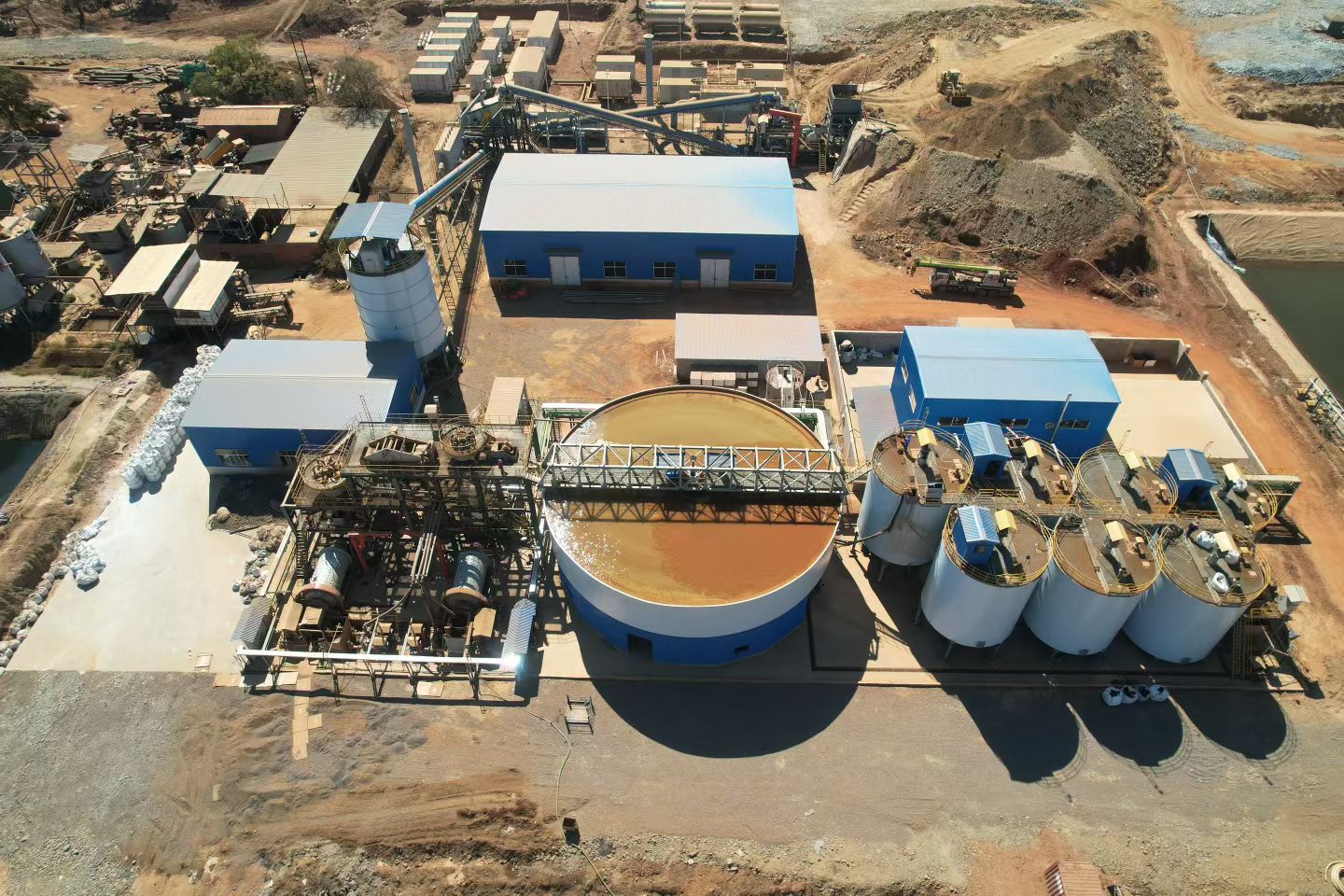
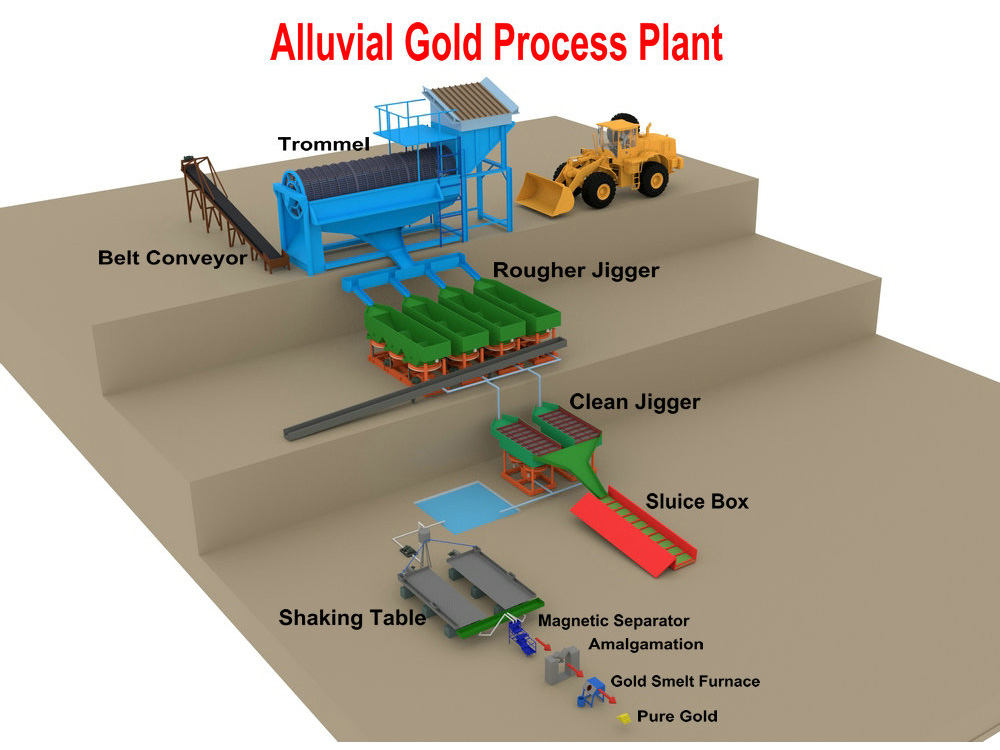
Whether gold mines use reselection, flotation, or cyanide is essentially determi
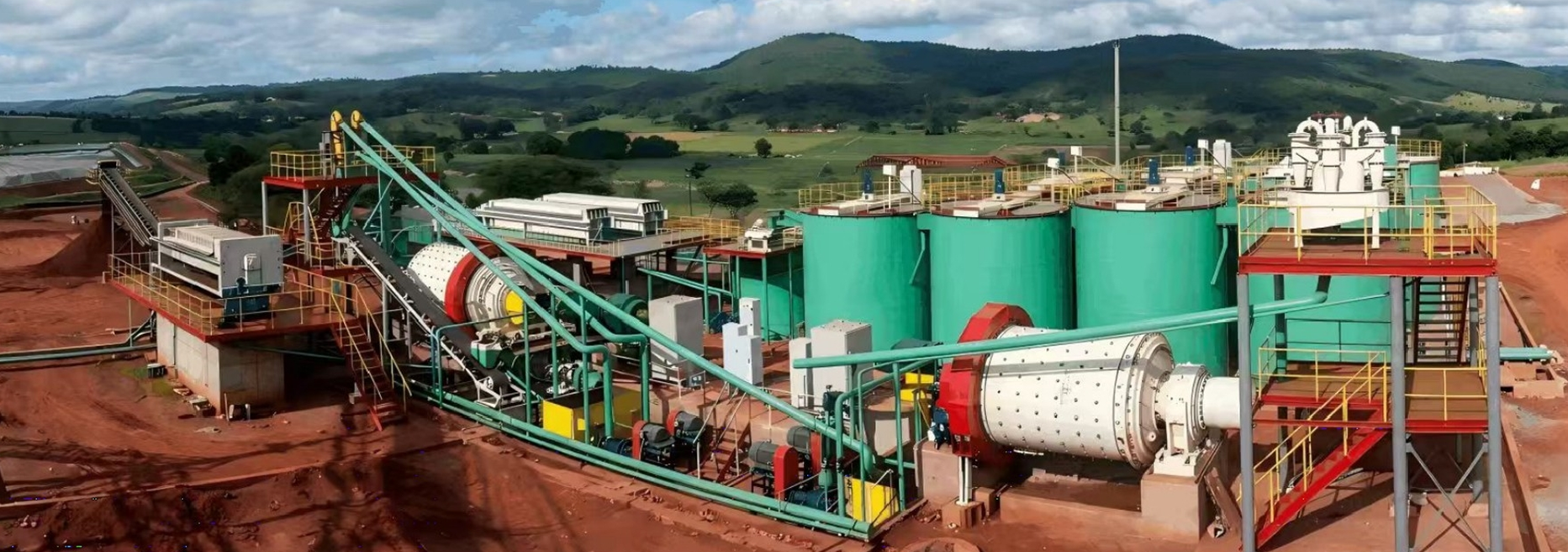
The leachability of rock gold (vein gold) ores varies greatly. Similarly, for cy
 +86-19139706301
 +86-19139706301