|
Feeding Size
|
200-1200 mm |
|
The Discharging Size
|
200 mesh |
|
Processing Capacity
|
50-1200 |
|
Applied Material
|
copper ore |
|
Details Overview
|
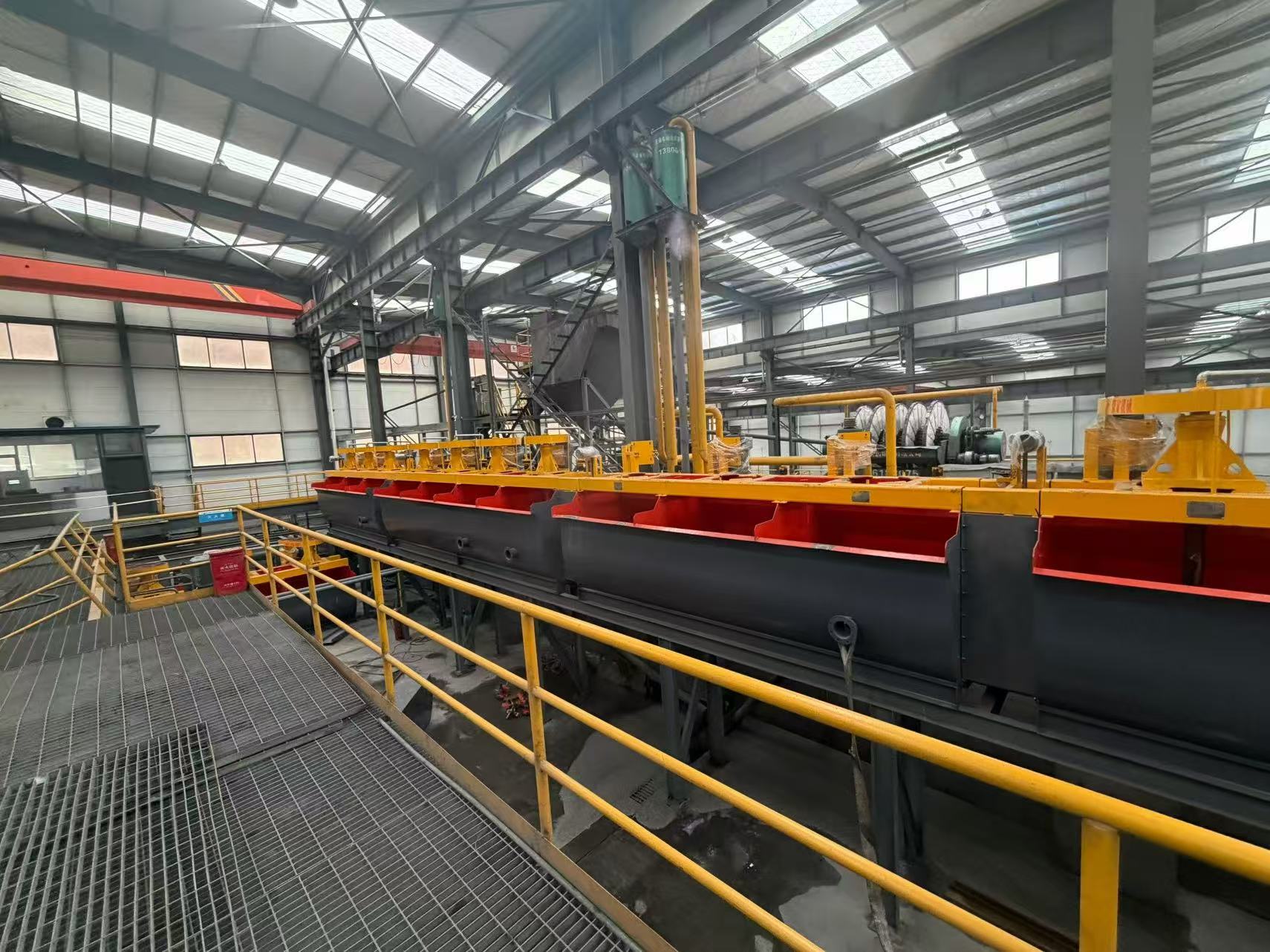
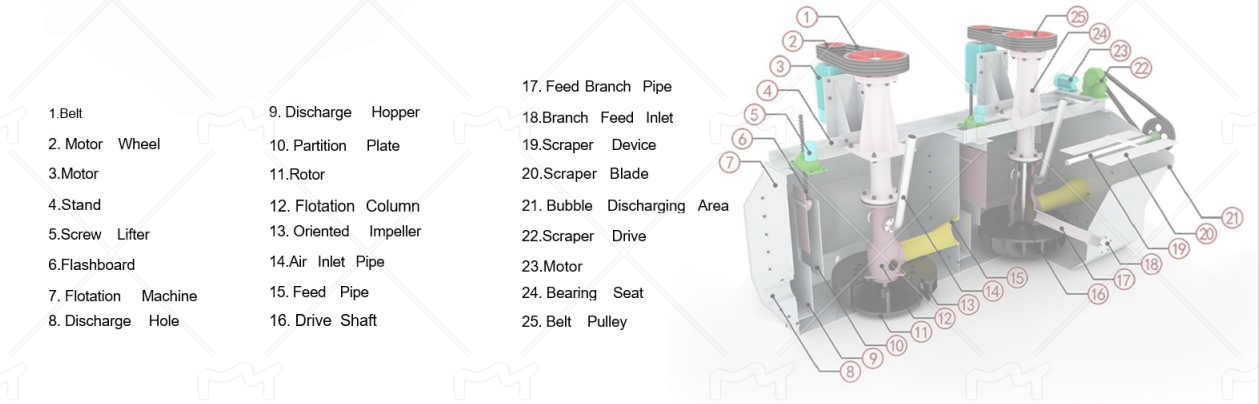
Applications:Flotation machine is widely applied in the separation of ferrous minerals such as iron, non-ferrous metals including copper and gold, as well as no...
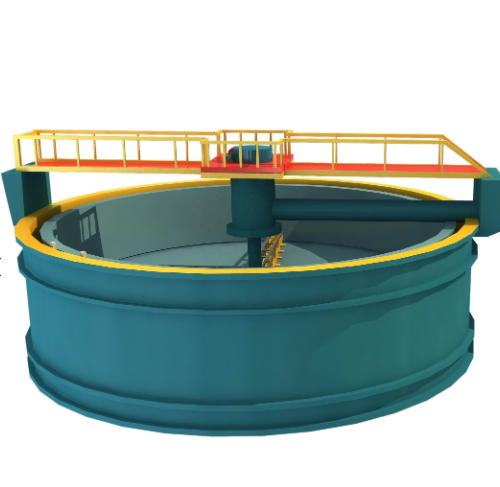
NZ (S) type (also called TNZ type) centre drive concentrator is earlier traditional concentrated equipments, machines diameter less than 12m work in manual cond...
Mineral selection methods and processes for copper mines
In nature, copper is a typical sulfur loving element, mainly existing in the form of copper sulfide, but under strong oxidation conditions, it will form copper oxide minerals. The industrial minerals of copper mines include natural copper, chalcopyrite, chalcopyrite, chalcopyrite, chalcopyrite, chalcopyrite, and malachite. The beneficiation methods and processes for copper mines include crushing, grinding, flotation, and other steps. Different process flows and reagents are required for different types of copper mines. Our company provides copper ore beneficiation methods and process services to help solve problems in the beneficiation industry.
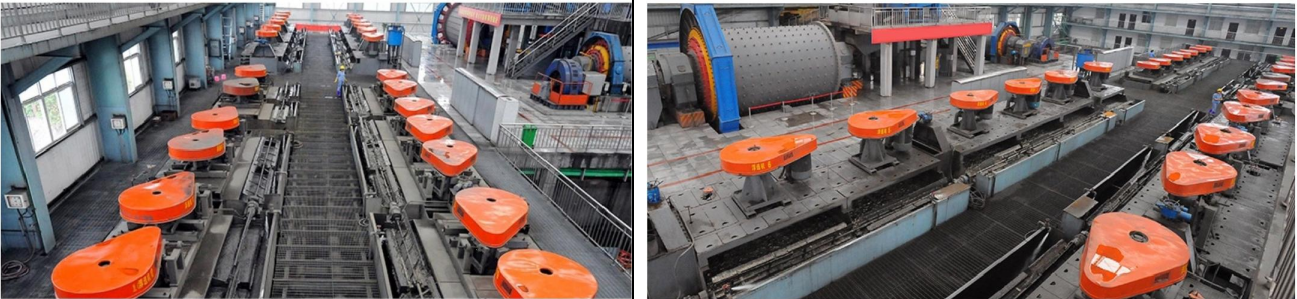
What are the beneficiation processes for copper mines?
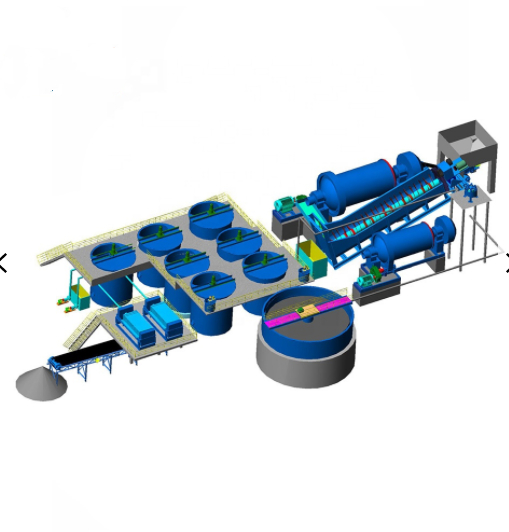
The beneficiation methods and processes for copper mines usually include crushing and screening, grinding and grading, flotation process, gravity separation process, magnetic and electrical separation, and chemical beneficiation. Crushing and screening are the process of crushing raw ore into a suitable particle size range for processing, while grinding and grading are the process of further grinding the ore for subsequent separation. The flotation process separates minerals by attaching bubbles, while gravity separation uses density differences for separation. Magnetic separation removes magnetic impurities, while chemical beneficiation processes difficult to select ores through chemical reactions.
The beneficiation methods and processes for copper mines vary depending on the type of ore.
Copper sulfide ore is mainly processed through steps such as crushing, grinding, flotation, dehydration, and smelting; There are two main processes for copper oxide ore: flotation and leaching. There are multiple flotation methods to choose from in the selection stage of the flotation process, and the leaching process is divided into heap leaching, pool leaching, in-situ leaching, and agitation leaching. Each process has its specific operating procedures and applicable conditions.
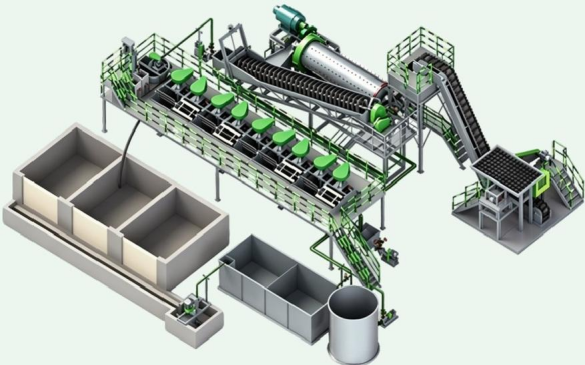
The beneficiation method and process of sulfide copper ore:
The beneficiation method and process of copper ore mainly target sulfide copper minerals containing iron sulfide, which have a relatively simple composition. Therefore, multi-stage flotation process is a conventional sulfide copper ore flotation process, with a focus on copper sulfur separation. Generally, the multi-stage rough selection multi-stage fine selection scanning closed circuit flotation process is adopted, which can achieve good recovery effect. However, for sulfide copper ores with complex components, the ideal separation effect cannot be achieved.
1. For copper ores with uneven coarse and fine distribution, in order to dissociate most of the copper mineral monomers, the ore needs to be ground to -200 mesh, accounting for 80% or even finer. At this point, two-stage grinding is superior to one-stage grinding in terms of grinding efficiency and prevention of copper mineral over crushing. When using two-stage grinding and two-stage flotation, after one stage of coarse grinding, a portion of the coarse copper minerals can be floated out to avoid over crushing. The grade of this part of the concentrate is generally high and can be directly used as concentrate, or enter the final selection, or combined with the concentrate obtained from two-stage grinding and flotation for selection. If there are few coarse copper minerals in the ore, a two-stage grinding flotation process can be used. The flotation cycle adopts sweeping and second to third selection, and the intermediate ore generally returns to the second stage grinding cycle. Relatively speaking, the grinding cost of this process is relatively high, the equipment configuration and production operation are more complex, and it is mostly used in large and medium-sized copper beneficiation plants.
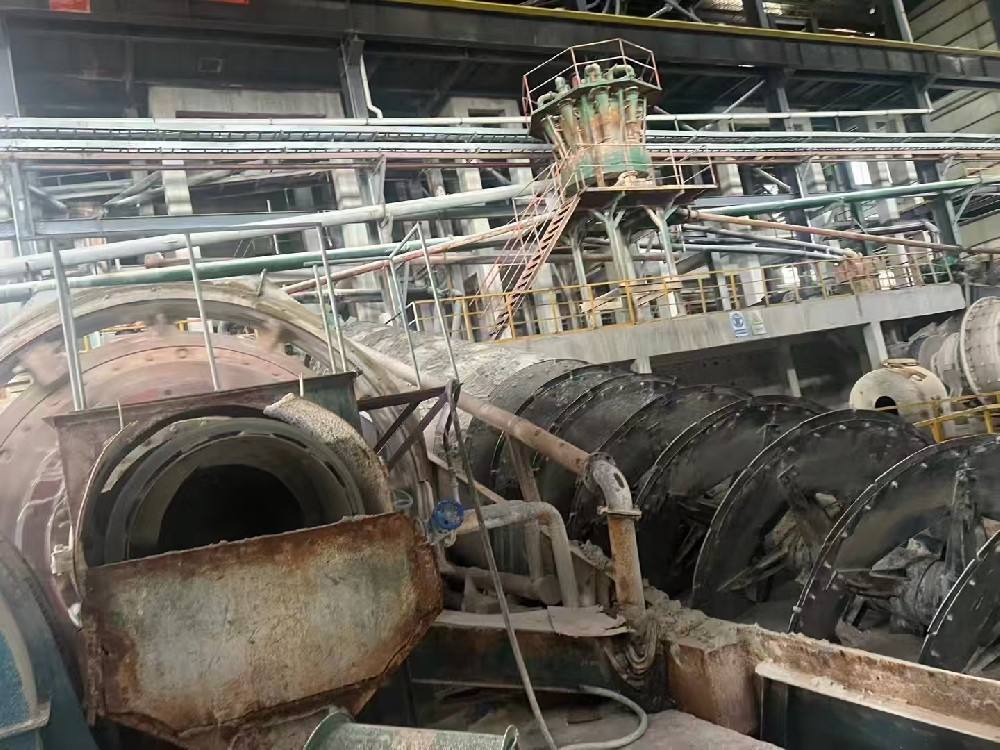
2. Priority flotation is suitable for more complex sulfide copper ores, which have a variety of copper types, mainly including chalcopyrite and chalcopyrite. Although the focus is still on copper sulfur separation, conventional flotation processes cannot obtain qualified copper concentrates due to their complex structure. Due to the different flotation speeds of various copper mines, copper minerals that are prone to flotation can be roughly selected first, and then copper minerals that are difficult to flotation can be further ground and selected as intermediate ores. Copper concentrates can be combined and recovered to ensure grade and recovery rate.
3. Copper sulfide ore dressing process flow Introduction to reverse flotation process flow: copper ore reverse flotation process needs to go through the process flow of crushing screening → grinding classification → coarse, fine, scavenging → concentration and dehydration. During flotation operation, collectors need to be added to the pulp to adjust the PH value. With the change of PH value, gangue minerals will be floated into the foam products, separated with the pulp along with the foam, and copper ore will be left in the pulp.
4. The copper sulfide positive flotation process needs to go through several processes: crushing and screening → grinding and classification → roughing, cleaning, scavenging → concentration and dehydration. The working principle of this process is that during flotation, anionic collectors are added to the pulp to force the copper ore to float into the foam products, while gangue minerals are left in the pulp to obtain the separation of copper ore from other minerals.
5. Copper ore mixed flotation process flow: grinding and classification → obtaining mixed concentrate through mixed flotation → concentrate separation and coarse selection → concentration and dehydration. The copper ore mixed flotation process is to flotation copper concentrate together with other minerals contained in the ore to obtain a mixed concentrate, and then sort the mixed concentrate to finally obtain copper concentrate.
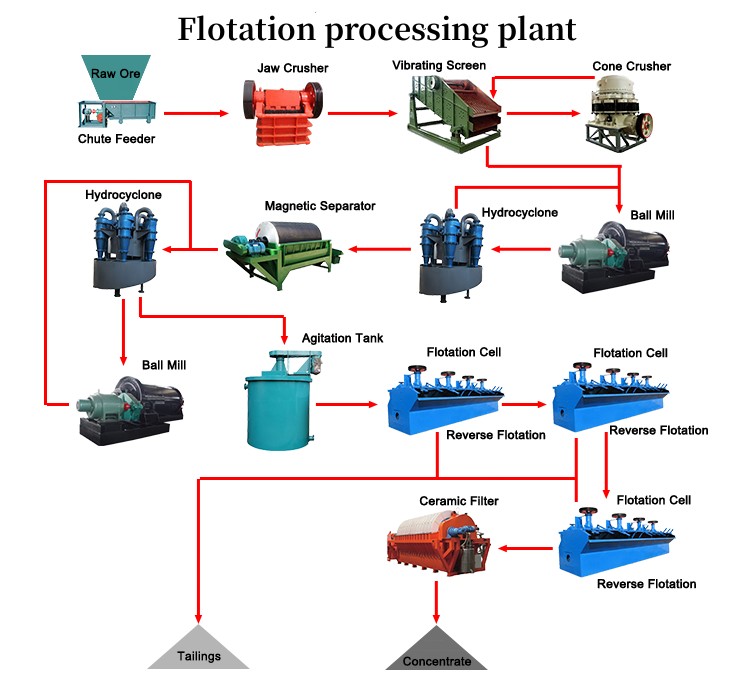
The beneficiation method of copper oxide ore:
The beneficiation methods for oxidized copper ore mainly include flotation, chemical beneficiation, and combined beneficiation and metallurgy. Among them, flotation is the most commonly used method, including sulfide flotation, fatty acid flotation, amine flotation, emulsion flotation, and chelating agent neutral oil flotation.
1. Sulfide flotation method
Sulfide flotation is the most commonly used method in the treatment of copper oxide ore. The principle is to add sulfurizing agents (such as sodium sulfide) to the slurry to form a layer of copper sulfide film on the surface of copper oxide minerals, making their surface properties similar to copper sulfide minerals. Then, conventional sulfide collectors are used for flotation. This method is not limited by the properties of copper oxide minerals and is suitable for various types of gangue minerals. The flotation reagents used are widely sourced and cost-effective.
2. Fatty acid flotation method
The fatty acid flotation method is suitable for minerals such as malachite and chalcopyrite. Fatty acid collectors (such as oleic acid) react chemically or physically with copper ions on the surface of oxidized copper minerals, making the mineral surface hydrophobic, and then float up through bubbles. This method has relatively poor selectivity and requires the addition of appropriate inhibitors to improve flotation selectivity.
3. Amine flotation method
The amine flotation method uses amine collectors (such as dodecylamine and octadecylamine) to bind with the surface of copper oxide minerals through electrostatic adsorption, making the surface hydrophobic and achieving flotation. This method has selectivity for copper oxide minerals and is suitable for minerals such as malachite and chalcopyrite.
4. Emulsion flotation method
The emulsion flotation method first sulfidizes copper oxide minerals, then uses acrylic polymer and sodium silicate to suppress gangue, adds chelating agents to form a stable oleophilic mineral surface, and finally covers the mineral surface with non-polar oil emulsion to form a strongly hydrophobic floatable state. This method is suitable for processing oxidized copper ore containing a large amount of mineral mud.
5. Chemical beneficiation method and combined beneficiation and metallurgy method
Chemical beneficiation methods include ammonia leaching and leaching precipitation flotation (LPF) methods. The ammonia leaching method is suitable for processing raw ore, concentrate, and tailings, which can effectively ensure high copper recovery rate. However, it has high equipment requirements, serious environmental pollution, and high energy consumption. The LPF rule is applicable for processing difficult to float or poorly sorted copper oxide ores, and recovering metallic copper 25 through acid leaching, iron powder displacement, and flotation. The main beneficiation method and process for copper mines is flotation. Due to the current decrease in ore grade and the increase in beneficiation costs, the heavy flotation combined beneficiation process can be chosen to reduce beneficiation costs. After crushing the raw ore, the copper ore is first pre enriched using a jigs, and a portion of the tailings is discarded. Then, the ore is ground and purified using flotation, which can reduce grinding costs and improve flotation selection grade.
Copper oxide ore beneficiation process flow:
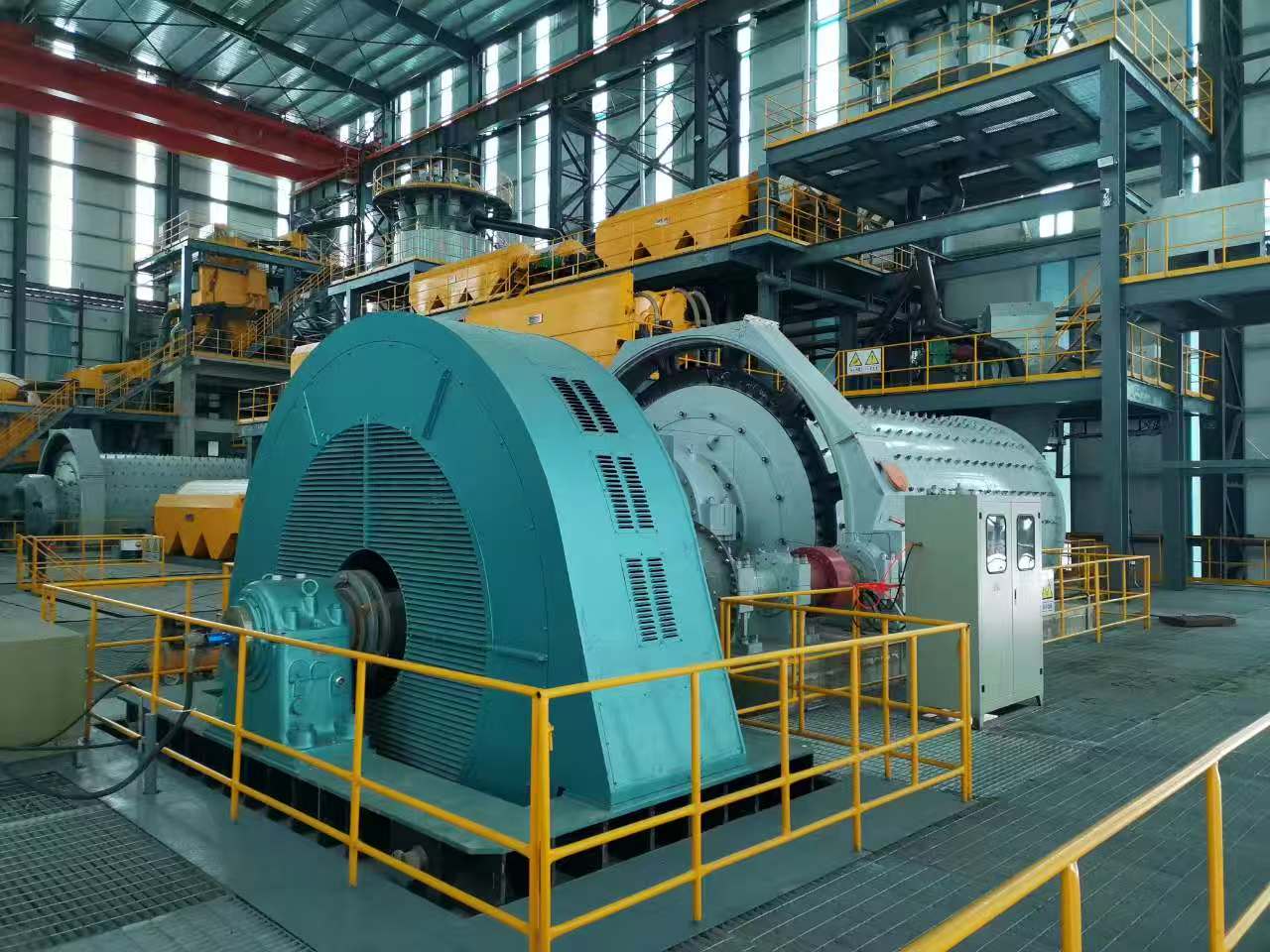
1. Grinding operation: Grinding copper oxide ore to achieve monomer dissociation of copper oxide minerals and gangue minerals in the ore. Usually, a ball mill is used to control the particle size of the grinding product to be around -200 mesh, accounting for 60% -80%.
2. Slurry adjustment operation: After grinding, the slurry needs to be adjusted by adding sulfurizing agents (such as sodium sulfide) for sulfurization treatment, controlling the pH value of the slurry within an appropriate range (usually 9-11), and adding inhibitors to suppress gangue minerals.
3. Flotation operation: Add corresponding collectors and adjusters according to the selected method to carry out flotation operation, achieving the separation of copper oxide minerals and gangue minerals.
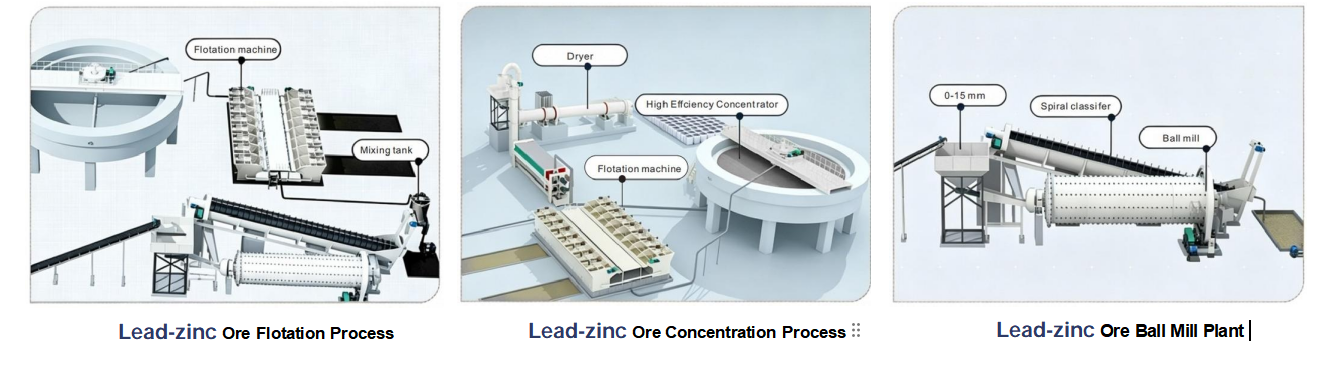
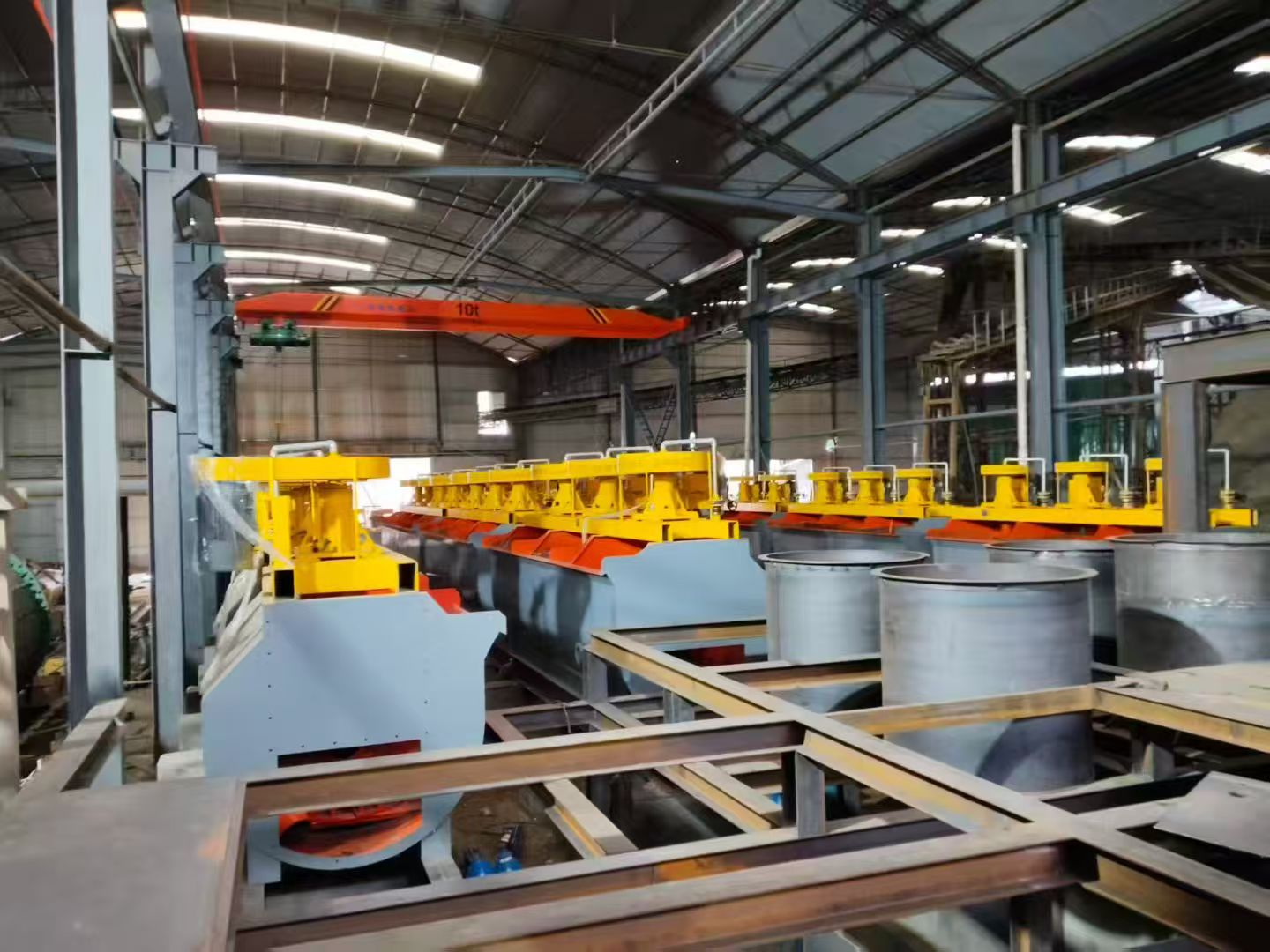
The beneficiation method of copper ore - flotation method
Copper ore beneficiation is the process of extracting copper from raw ore. The ore is crushed in a crushing plant, ground in a ball mill, and then smelted together with tin ore in a furnace to produce copper metal.
1. The crude copper ore is fed into the jaw crusher by a plate feeder and crushed to 20 centimeters or less. The material after the first crushing is transported by a belt conveyor to the cone crusher for secondary crushing; The crushed copper ore is then sent to a vibrating screen for grading. After classification, the part smaller than the mesh size is discharged, and the remaining part returns to the cone crusher to form a closed loop.
2. The smaller crushed copper ore is sent to a ball mill for grinding, grinding to about 0.2 millimeters.
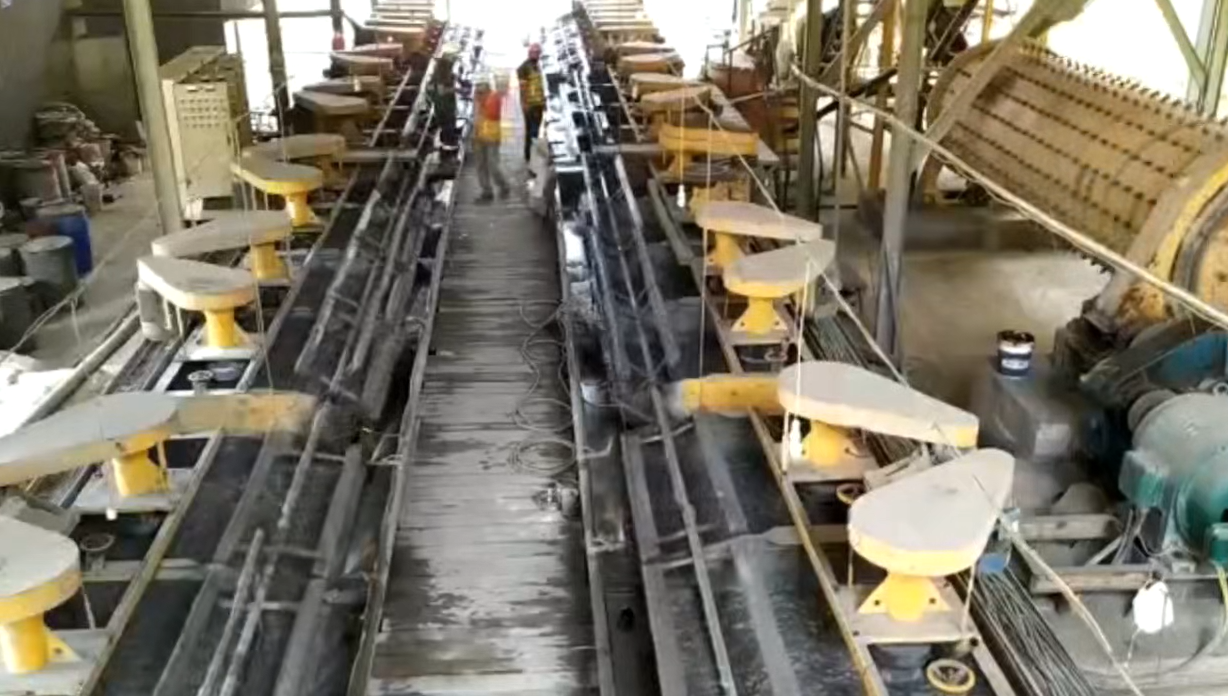
3. The copper slurry is pumped to the mixing drum and then into the flotation machine. The fine sulfide ore less than 0.074mm enters the foam flotation cell to recover copper.
Advantages and disadvantages of flotation method for copper ore beneficiation:
Advantages:
Efficient and suitable for processing ores with low copper content.
Multiple valuable by-products can be recycled.
Disadvantages:
The flotation process is complex and requires a large amount of reagents.
It has a certain impact on the environment and requires additional environmental protection measures.
Mineral selection method for copper ore - reselection method
The beneficiation method and process of copper ore, as the process of coarse selection and enrichment, must improve the selection grade of the flotation process as much as possible while ensuring the recovery rate. For coarse-grained disseminated sulfide copper ore, the re-election method is obviously very effective. After re selection and enrichment, the crude concentrate is only one tenth of the original ore quantity, so the subsequent investment in flotation equipment will be greatly reduced, and the flotation cost will also be greatly reduced, which is of great significance for the beneficiation of low-grade copper ore.
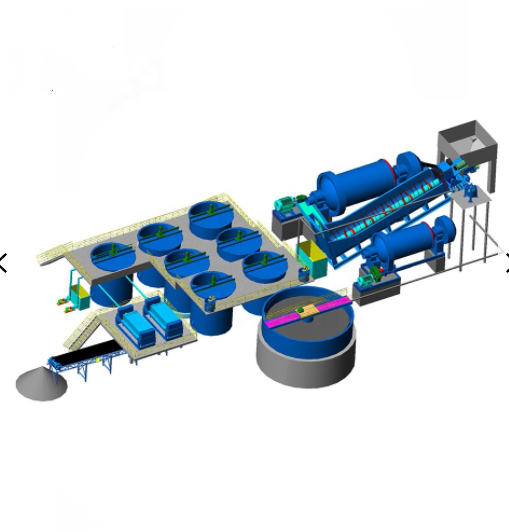
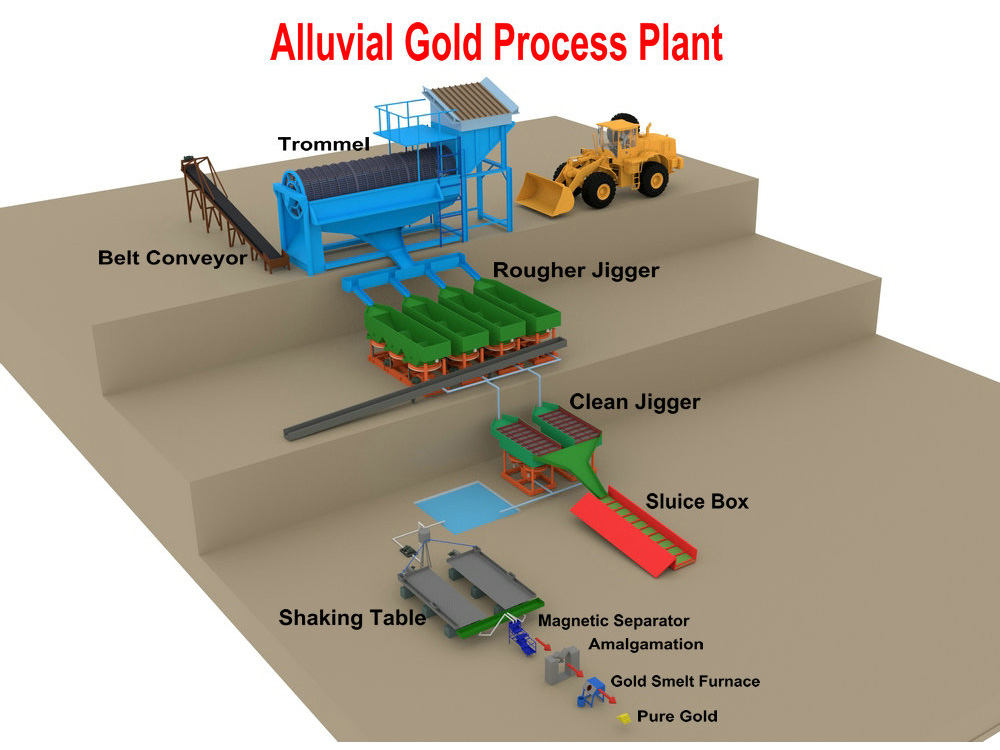
1. After the raw ore is crushed to 0-5 millimeters by a sandblasting machine, it enters a jigs and is sorted based on the difference in specific gravity between the selected minerals and gangue minerals. The concentrate obtained by the jigs is then selected by a shaking table to achieve the desired effect;
2. After the copper ore is crushed, it enters the ball mill and is ground into fine ore, which can be sorted by spiral chute or shaker. In actual production, spiral chutes have a large processing capacity and a small footprint, while the recovery rate and concentrate grade of shaking tables are higher. Therefore, after grinding, spiral chutes are usually used for coarse selection, followed by shaking tables for fine selection.
The advantages and disadvantages of the re-election method for copper ore beneficiation:
Advantages:
The process is simple and the operating cost is low.
Good environmental friendliness, no need for chemical agents.
Disadvantages:
Limited processing capacity, not suitable for handling fine-grained ore.
The sorting effect is greatly affected by the differences in mineral particle size and specific gravity.
In order to improve the efficiency and economic benefits of copper ore beneficiation methods and processes, the following are several common optimization measures:
1. Mineral processing methods and process grinding optimization for copper mines
By optimizing the grinding process, the dissociation degree of ore can be improved, the over grinding phenomenon can be reduced, and the flotation efficiency can be enhanced. Common optimization measures for grinding include using high-efficiency and energy-saving grinding equipment, optimizing grinding media and grinding time, etc.
2. Mineral processing methods and process optimization of flotation reagents for copper mines
The selection and dosage of flotation reagents have a significant impact on flotation efficiency. By optimizing the types and amounts of flotation reagents, the recovery rate of copper minerals and concentrate grade can be improved. Common flotation reagents include collectors, frothers, and adjusters.
3. Mineral processing methods and optimization of flotation equipment for copper mines
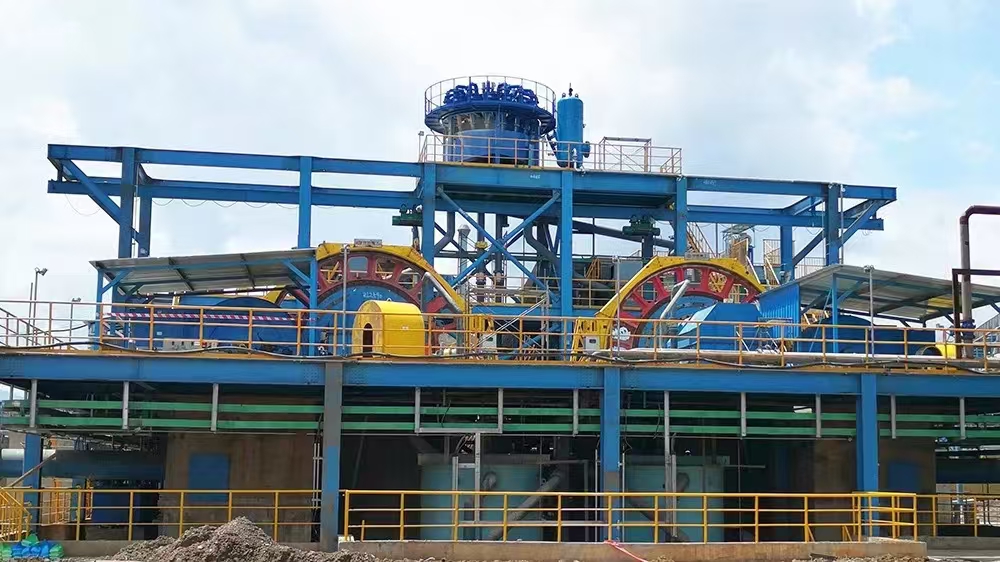
The use of advanced flotation equipment can improve flotation efficiency and concentrate quality. Common flotation equipment includes flotation machines, flotation columns, and flotation tanks. By optimizing the structure and operating parameters of flotation equipment, flotation efficiency can be improved.
4. Mineral processing methods and process leaching process optimization for copper mines
By optimizing the leaching process, the leaching efficiency and copper recovery rate can be improved. Common optimization measures for leaching processes include using efficient leaching agents, optimizing leaching time and temperature, etc.
The future development direction of beneficiation methods and processes for copper mines:
With the advancement of technology and the increasing depletion of mineral resources, copper ore beneficiation technology is also constantly developing and innovating. In the future, the beneficiation methods and processes for copper mines will develop in the following directions:
1. Green and environmentally friendly: With the increasing demand for environmental protection, mineral processing technology will pay more attention to reducing environmental pollution and adopting more environmentally friendly mineral processing agents and processes.
2. High efficiency and energy conservation: By optimizing the beneficiation process, improving the efficiency of beneficiation equipment, reducing energy consumption and production costs.
3. Intelligence: Utilizing artificial intelligence and big data technology to achieve intelligent control of mineral processing technology, improve mineral processing efficiency and concentrate grade.
The above are the common beneficiation methods and processes for copper mines. For copper ore flotation beneficiation, the flotation process and flotation reagents used for different types of copper ore are different. It is recommended to conduct a beneficiation experiment first to understand the properties and characteristics of the ore, and comprehensively consider the investment budget, actual plant conditions, etc. to select a suitable flotation process and reagent system, in order to obtain ideal flotation indicators and economic benefits.
In the gold recycling industry, activated carbon adsorption is a crucial step in
Whether gold mines use reselection, flotation, or cyanide is essentially determi
The leachability of rock gold (vein gold) ores varies greatly. Similarly, for cy
 +86-19139706301
 +86-19139706301